

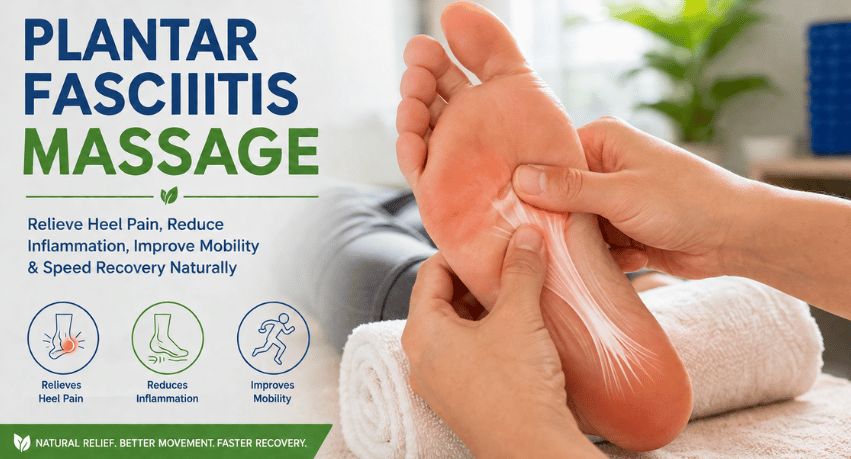
Every step you take should feel comfortable, not painful. If sharp heel pain greets you when you get out of bed in the morning or after long hours of standing, you may be dealing with plantar fasciitis, one of the most common causes of foot pain.
Fortunately, a regular plantar fasciitis massage can provide natural relief by easing tension in the plantar fascia, improving blood circulation, reducing inflammation, and restoring flexibility. Whether you’re an athlete, a runner, or simply looking for an effective at-home solution, learning the right massage techniques can help you recover faster, move more comfortably, and get back to the activities you enjoy.
| Topic | Overview |
| What Is Plantar Fasciitis Massage? | A natural therapy that helps relieve heel pain by reducing tension in the plantar fascia and improving blood circulation. |
| Primary Treatment | Regular plantar fasciitis massage combined with stretching, strengthening, and proper foot care. |
| Key Benefits | Relieves heel pain, reduces inflammation, improves flexibility, enhances mobility, and supports faster recovery. |
| Best Massage Techniques | Thumb massage, cross-friction massage, circular massage, knuckle massage, and trigger point massage. |
| Helpful Massage Tools | Tennis ball, lacrosse ball, frozen water bottle, foot massage roller, and massage gun. |
| Supporting Exercises | Calf stretches, plantar fascia stretches, heel raises, towel scrunches, toe spreads, and balance exercises. |
| Recovery Tips | Wear supportive footwear, stay active with low-impact exercise, maintain a healthy weight, get 7–9 hours of sleep, and stay hydrated. |
| Who Can Benefit? | Runners, athletes, people who stand for long hours, and anyone experiencing plantar fasciitis or chronic heel pain. |
What Is Plantar Fasciitis Massage?
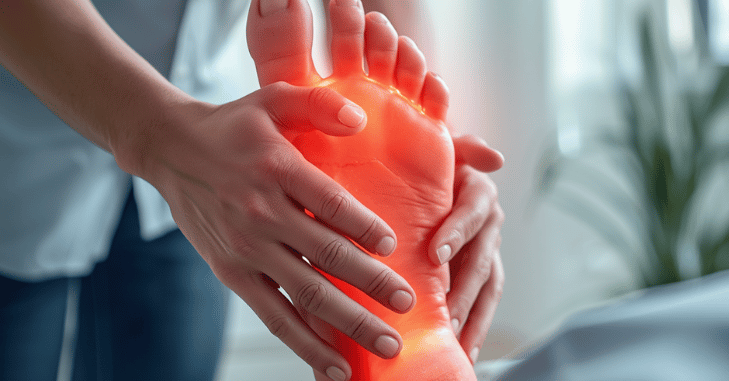
A regular plantar fasciitis massage is a simple yet highly effective way to relieve heel pain naturally, reduce inflammation, improve flexibility, and support faster recovery. When combined with regular stretching, strengthening exercises, supportive footwear, proper hydration, and adequate rest, it helps reduce stress on the plantar fascia while promoting long-term foot health and preventing future flare-ups.
Whether you are an athlete, a runner, someone who spends long hours on your feet, or simply managing chronic heel pain, incorporating plantar fasciitis massage into your daily routine can improve mobility, restore comfort, and help you return to your normal activities with greater confidence.
How Massage Helps Plantar Fasciitis
Massage therapy targets the muscles, fascia, and connective tissues that contribute to heel pain. Rather than simply masking symptoms, regular massage supports overall foot health by improving circulation, reducing muscle tension, and promoting tissue recovery.
Benefits of Plantar Fasciitis Massage
Regular massage can provide several important benefits, including:
- Relieves heel pain naturally
- Improves blood circulation to the foot
- Releases tension in the plantar fascia
- Reduces inflammation and soreness
- Improves foot and ankle flexibility
- Enhances overall mobility
- Supports faster tissue repair and recovery
- Helps reduce scar tissue formation
- Relaxes tight calf muscles
- Improves foot strength and function
- Reduces stiffness after periods of rest
- Promotes relaxation and reduces stress on the feet
Understanding Why the Plantar Fascia Becomes Tight
The plantar fascia can become tight and irritated due to repetitive stress and excessive strain placed on the foot over time. Common risk factors include running long distances, walking or standing on hard surfaces for extended periods, wearing shoes with poor arch support, obesity or rapid weight gain, tight calf muscles, flat feet, high arches, limited ankle mobility, and sudden increases in physical activity or exercise intensity.
Best Plantar Fasciitis Massage Techniques
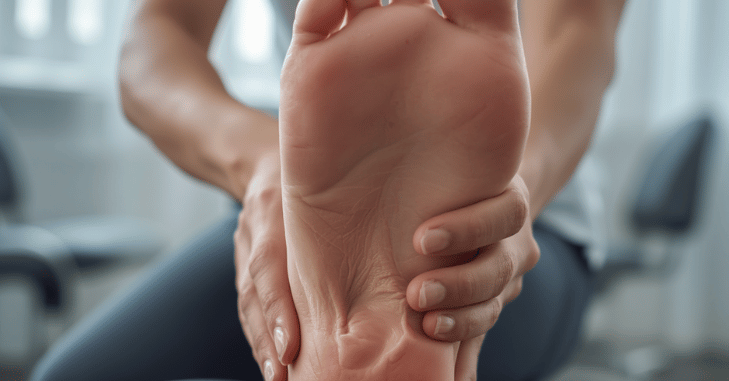
Thumb Massage
Thumb massage targets the plantar fascia directly and is one of the simplest self-massage techniques.
How to Perform
- Sit comfortably in a chair.
- Cross one foot over the opposite knee.
- Place both thumbs near the heel.
- Apply gentle, steady pressure.
- Slowly glide your thumbs toward the toes.
- Repeat for 5–10 minutes.
Benefits
- Improves blood circulation
- Releases tension in the plantar fascia
- Reduces stiffness and discomfort
Cross-Friction Massage
Cross-friction massage helps loosen tight tissue and promotes healing.
How to Perform?
- Locate the painful area near the heel.
- Apply moderate pressure with your thumb.
- Move your thumb side to side across the tissue.
- Continue for 2–3 minutes.
- Avoid excessive pressure during acute inflammation.
Circular Massage
Circular massage relaxes the muscles surrounding the plantar fascia and improves flexibility.
How to Perform?
- Begin at the heel.
- Massage using small circular motions.
- Work slowly across the arch.
- Continue toward the ball of the foot.
- Spend extra time on tight or tender areas.
Best For
- Warming up the foot before stretching
- Improving mobility
- Reducing muscle tightness
Knuckle Massage
Using your knuckles provides deeper pressure while reducing strain on your thumbs.
How to Perform?
- Make a loose fist.
- Roll your knuckles slowly along the arch of the foot.
- Apply controlled, even pressure.
- Repeat several passes from heel to toes.
Trigger Point Massage
Trigger point massage focuses on tender knots that commonly develop in the arch and calf muscles.
How to Perform?
- Locate sensitive or tight spots.
- Apply steady pressure for 20–30 seconds.
- Release gradually and repeat as needed.
Benefits
- Reduces muscle knots
- Improves circulation
- Restores flexibility
- Relieves referred pain
Massage Tools for Plantar Fasciitis
Using the right plantar fasciitis massage tools can make self-treatment more effective by providing consistent pressure to relieve heel pain and improve foot mobility. A tennis ball is an excellent choice for beginners, offering a gentle plantar fasciitis massage when you roll your foot over it for 5–10 minutes while seated.
For deeper pressure and stubborn tightness, a lacrosse ball helps target the plantar fascia more intensely. Rolling a frozen water bottle under the foot combines plantar fasciitis massage with cold therapy, helping to reduce swelling, ease pain, and decrease inflammation.
Stretching After Massage
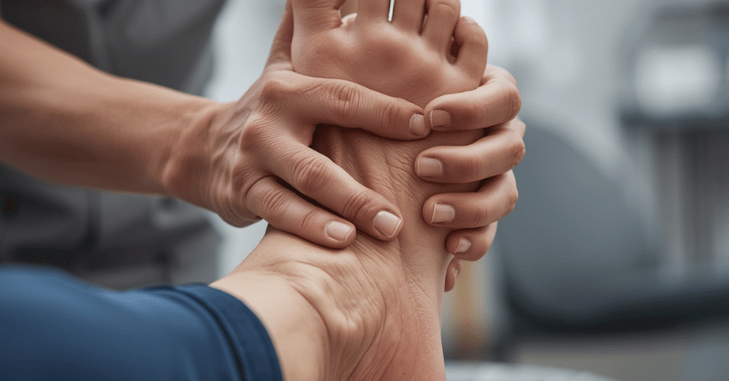
Massage prepares the tissues for stretching by improving flexibility and circulation.
Calf Stretch
Stand facing a wall.
- Place one foot behind the other.
- Keep the back knee straight.
- Press the heel into the floor.
- Hold for 30 seconds.
Repeat three times.
Plantar Fascia Stretch
- Sit comfortably.
- Pull the toes toward the shin.
- Hold for 30 seconds.
- Repeat several times.
Toe Stretch
Stretch each toe individually to improve mobility.
Achilles Stretch
Lengthening the Achilles tendon reduces stress on the plantar fascia
Strengthening Exercises
Weak foot muscles can contribute to plantar fasciitis by placing additional stress on the plantar fascia, making strengthening exercises an important part of recovery. Exercises such as towel scrunches, marble pickups, heel raises, toe spreads, the short foot exercise, single-leg balance, and resistance band ankle exercises help improve foot strength, stability, and long-term function while reducing the risk of recurrence.
For the best results, perform a plantar fasciitis massage before stretching, after exercise, before bedtime, following long periods of standing, or during recovery days to relieve tension and improve circulation.
Common Massage Mistakes
- Applying excessive pressure
- Ignoring severe pain
- Massaging only the heel instead of the entire foot
- Skipping calf massage
- Using massage without stretching
- Wearing poor footwear afterward
- Being inconsistent
- Returning to high-impact exercise too quickly
Additional Recovery Strategies
A plantar fasciitis massage is most effective when combined with healthy lifestyle habits and a comprehensive recovery plan. Along with regular massage, proper footwear, exercise, rest, and hydration all play an important role in reducing heel pain and promoting long-term healing.
Wear Supportive Footwear
Wearing supportive shoes helps reduce stress on the plantar fascia during daily activities. Choose footwear that offers good arch support, adequate cushioning, effective shock absorption, and a proper fit. Avoid worn-out shoes and walking barefoot on hard surfaces, as both can increase strain on the heel and delay recovery.
Maintain a Healthy Weight
Maintaining a healthy body weight reduces the pressure placed on the plantar fascia with each step. Even modest weight loss can help decrease heel pain and improve overall foot function.
Stay Active
Staying active with low-impact exercises helps maintain cardiovascular fitness while minimizing stress on the heel. Activities such as swimming, cycling, elliptical training, and water walking promote circulation, improve mobility, and support recovery without placing excessive strain on the plantar fascia.
Get Enough Sleep
Quality sleep is essential for tissue repair and muscle recovery. Aim for 7–9 hours of sleep each night to give your body the time it needs to heal and recover from daily activities.
Stay Hydrated
Proper hydration supports healthy muscles, tendons, ligaments, and connective tissues. Drinking enough water throughout the day helps maintain tissue elasticity, reduces muscle tightness, and complements the benefits of a regular plantar fasciitis massage routine.
Daily Plantar Fasciitis Massage Routine
| Time | Activity |
| Morning | Gentle foot massage for 5 minutes |
| Morning | Plantar fascia stretch |
| Afternoon | Wear supportive footwear |
| Evening | Tennis ball massage |
| Evening | Calf stretching |
| Night | Frozen water bottle massage if needed |
When to See a Healthcare Professional
- Pain lasting more than several weeks
- Severe swelling
- Numbness or tingling
- Difficulty walking
- Sudden injury
- Signs of infection
- Pain that continues despite home treatment
Tips for Faster Recovery
To speed healing and reduce discomfort:
- Massage daily using proper technique.
- Stretch the calves and plantar fascia regularly.
- Strengthen the muscles of the feet and ankles.
- Wear supportive shoes with good arch support.
- Replace worn-out athletic footwear.
- Gradually increase activity levels.
- Maintain a healthy body weight.
- Stay hydrated.
- Prioritize restful sleep.
- Listen to your body’s signals and avoid pushing through severe pain.
Conclusion
A regular plantar fasciitis massage can be an effective and natural way to relieve heel pain, reduce inflammation, improve mobility, and support faster recovery. When combined with stretching, strengthening exercises, supportive footwear, proper hydration, and adequate rest, it helps reduce stress on the plantar fascia while promoting long-term foot health.
Consistency is essential, as small daily efforts often lead to lasting improvements in comfort and function. Whether you are an athlete, a busy professional, or someone dealing with chronic heel pain, incorporating plantar fasciitis massage into your daily routine can help you move more comfortably and confidently.
Want to know about HYROX Workout: The Complete Guide to Training, Exercises, Race Preparation, Nutrition, Strength, Endurance, Recovery, and Performance Improvement Check out our Fitness category.
FAQs
Stretching, applying ice to the sore spot, and changing or avoiding uncomfortable activities.
A popular self-care treatment for plantar fasciitis is ball-rolling massage. Take a tennis ball, a lacrosse ball, or a specialized massage ball and place it beneath your arch.
Japanese treatments for plantar fasciitis incorporate current medical advancements, customized footwear, and traditional therapies like reflexology and acupressure.
Although they don’t directly cause plantar fasciitis, vitamin deficiencies seriously hinder your body’s capacity to control inflammation and heal connective tissue.