
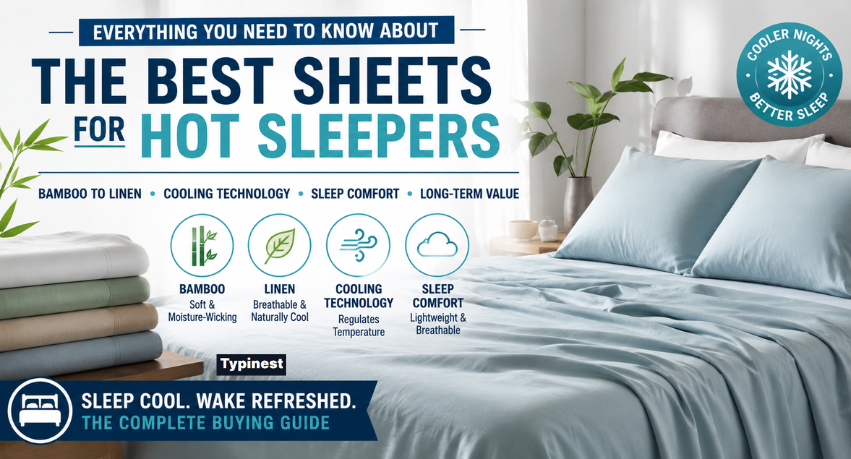
A good night’s sleep shouldn’t end with waking up sweaty, uncomfortable, or constantly kicking off the blankets. If you’re someone who feels too warm while sleeping, choosing the best sheets for hot sleepers can make a significant difference. The right sheets improve airflow, wick away moisture, and help regulate body temperature, so you stay cool and comfortable throughout the night.
With so many options available, from bamboo and linen to cotton and Tencel, it can be difficult to know which material truly delivers on its cooling promises. Marketing claims often make every product sound like the best choice, but understanding how different fabrics perform is the key to making a smart purchase.
This comprehensive guide explains everything you need to know about cooling bed sheets, including the best materials, cooling technologies, buying considerations, maintenance tips, and how to choose sheets that offer lasting value.
Best Sheets for Hot Sleepers
| Feature | Details |
| Best Overall Material | Bamboo for cooling and softness. |
| Most Breathable Fabric | Linen offers maximum airflow. |
| Best Budget Option | Percale cotton sheets. |
| Softest Cooling Sheets | Bamboo and Tencel. |
| Best Luxury Choice | Premium linen or bamboo. |
| Ideal Thread Count | 200–400 threads. |
| Best Weave | Percale weaves. |
| Best for Night Sweats | Bamboo and Tencel. |
| Most Durable Material | Linen. |
| Best Eco-Friendly Option | Organic bamboo or Tencel. |
| Good for Sensitive Skin | Bamboo and Tencel. |
| Fabric to Avoid | Polyester and microfiber. |
| Best for Humid Climates | Linen. |
| Best Year-Round Choice | Bamboo. |
| Cooling Technology | Moisture-wicking fibers. |
| Care Tip | Wash cold, dry low. |
| Quality Indicator | Long-staple natural fibers. |
| Best for Couples | Bamboo sheets. |
| Hotel-Style Feel | Percale cotton. |
| Best Long-Term Value | High-quality linen. |
| Mattress Fit | Check pocket depth. |
| Price Range | Budget to premium. |
| Buying Tip | Focus on fabric quality. |
| Main Benefit | Cooler, dry sleep. |
| Overall Recommendation | Choose breathable natural fabrics. |
How to Choose the Best Sheets for Hot Sleepers?
Before making a purchase, consider your personal sleep habits.
Your Bedroom Temperature
If your bedroom stays warm year-round, bamboo or linen may provide the greatest comfort.
Your Sleeping Style
Side sleepers often enjoy softer bamboo or Tencel. Back and stomach sleepers may prefer the crisp feel of percale cotton.
Night Sweats
If you frequently wake up sweaty, prioritize moisture-wicking fabrics.
Sensitive Skin
Natural fibers are usually gentler and less likely to irritate.
Budget
Cooling sheets are available across different price ranges.
Budget-Friendly
- Cotton percale
- Cotton blends
Mid-Range
- Bamboo
- Organic cotton
Premium
- High-quality linen
- Luxury bamboo
- Tencel blends
While premium sheets cost more initially, they often provide better durability and long-term value.
What Actually Makes a Sheet “Cooling”?
Modern cooling sheets may include advanced features beyond natural fibers.
- Moisture-Wicking Technology
Special fibers move sweat away from the skin to keep you dry.
2. Temperature-Regulating Fibers
Some fabrics react to body temperature and release excess heat more efficiently.
3. Phase-Change Materials (PCM)
Premium bedding may include phase-change materials that absorb and release heat to maintain a more stable sleep temperature.
- Advanced Weaving Techniques
Certain weaves maximize airflow without sacrificing softness. These technologies can improve comfort, but high-quality natural fabrics often provide excellent cooling without added treatments.
Best Sheets for Hot Sleepers: Top Brands
Bamboo (Viscose or Lyocell)
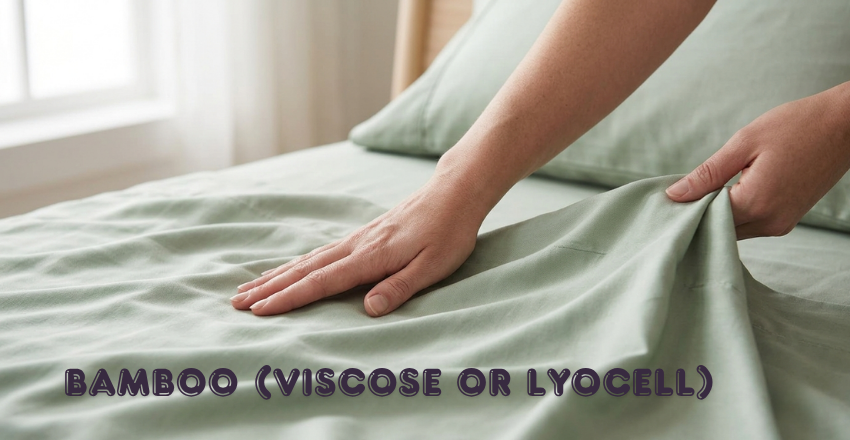
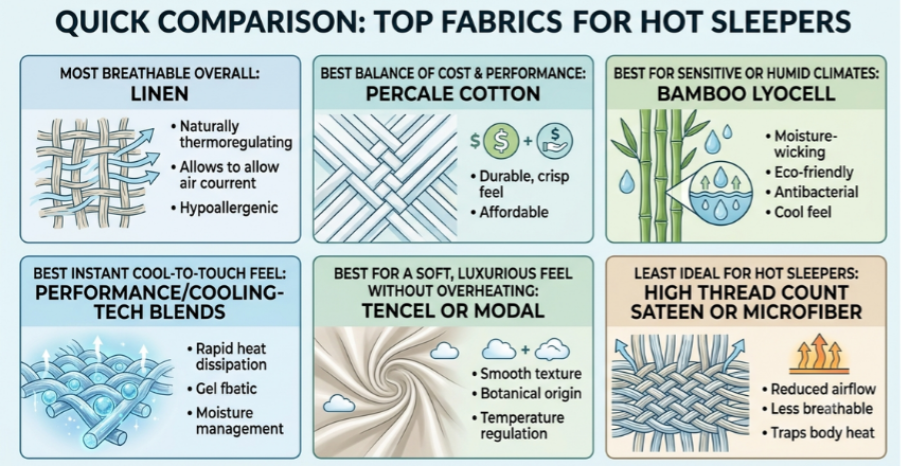
Bamboo sheets have become one of the most popular choices for hot sleepers, and for good reasons. The fibers are naturally breathable and highly moisture-wicking, often outperforming cotton in humidity control.
Bamboo lyocell, made through a closed-loop manufacturing process, is often more environmentally friendly than standard bamboo viscose and has a silky, smooth feel that many people love. The main downside is the price, since bamboo sheets typically cost more than cotton sheets, and lower-quality bamboo blends can pill over time.
Linen
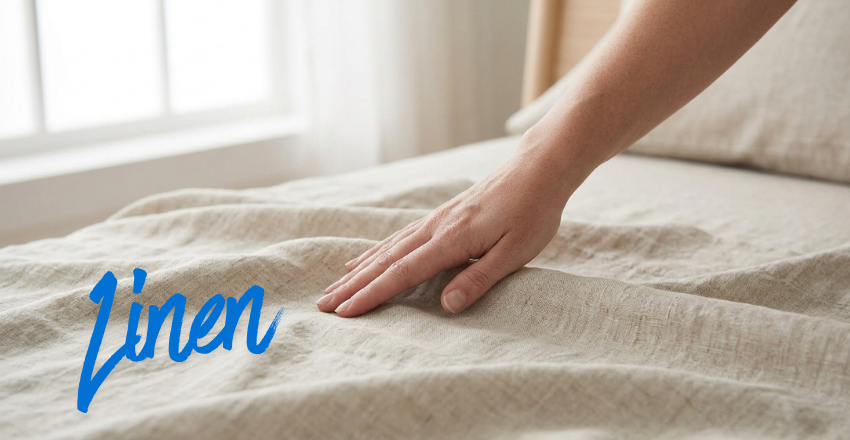
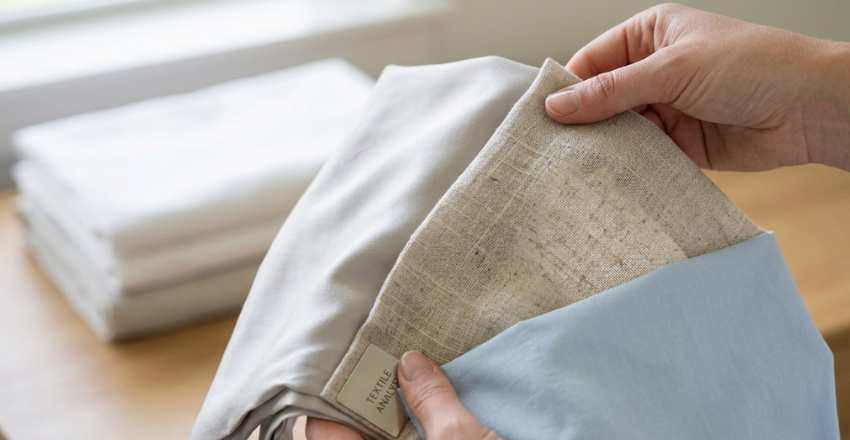
Linen is often considered the gold standard for hot sleepers. Made from flax fibers, linen has an inherently open weave that allows maximum airflow, and it becomes softer with every wash. Linen also absorbs moisture efficiently without feeling damp against the skin.
The trade-off is texture: linen has a relaxed, slightly crinkled look that some people love, and others find too casual for their taste. It’s also pricier than basic cotton, but it tends to last for years with proper care, adding long-term value.
Percale Cotton
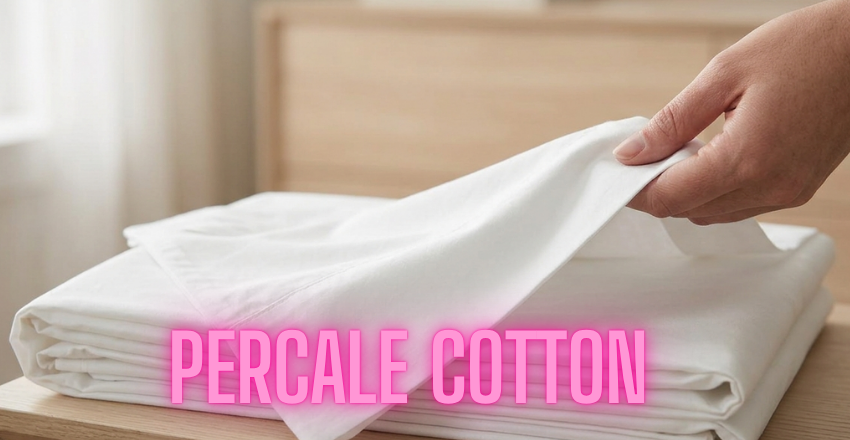
Percale is a weave, not fiber, and it’s one of the best options for anyone who wants a crisp, breathable feel without paying bamboo or linen prices. The tight, plain weave creates a lightweight, matte fabric similar to a quality cotton dress shirt.
It breathes well, doesn’t trap heat, and gets softer with each wash. Percale is widely available, affordable, and a safe choice for most hot sleepers.
Sateen Cotton
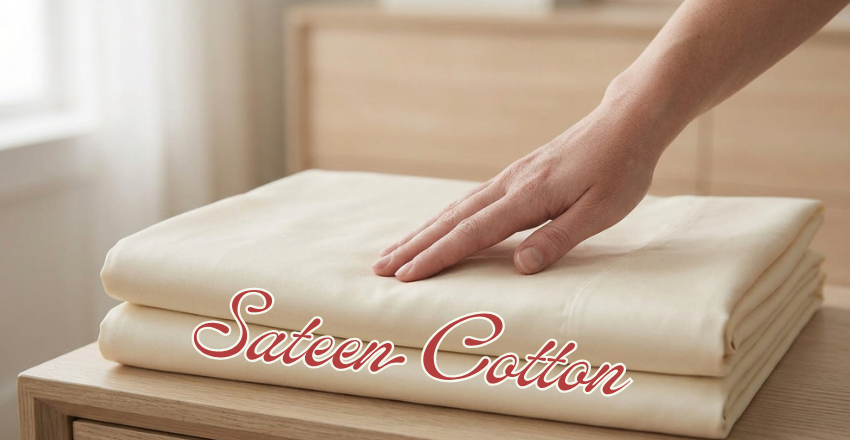
Sateen uses a different weave that creates a smoother, slightly glossy finish with a heavier drape. It feels luxurious, but the tighter weave traps more heat than percale, making it a less ideal choice when shopping for the best sheets for hot sleepers. If you love the silky feel of sateen, look for a lower-thread-count version, which will breathe better than heavier, denser options while still offering comfort for hot sleepers.
Tencel and Modal
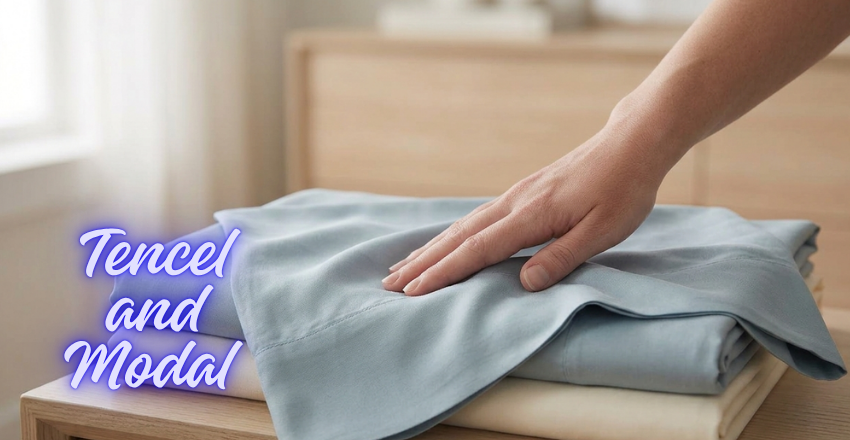
Tencel (a brand name for lyocell) and modal are both derived from wood pulp, usually eucalyptus or beech. These fabrics are excellent at moisture management and have a soft, almost silky texture.
They’re a strong middle-ground option between the breathability of linen and the smoothness of sateen, though they can come with a higher price tag depending on the brand.
Performance and Cooling-Technology Sheets
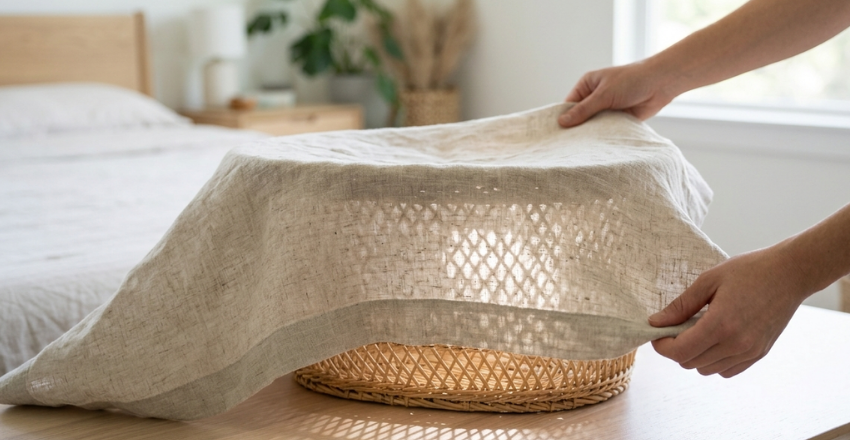
Many brands now sell sheets made with engineered fibers designed specifically for temperature regulation, sometimes blending materials like polyester microfiber with cooling treatments or phase-change materials.
These sheets can feel cool to the touch immediately upon contact, which some hot sleepers find very satisfying. However, synthetic blends don’t always breathe as well throughout the night as natural fibers, so it’s worth reading independent reviews rather than relying solely on marketing claims about “cooling technology.”
Quick Comparison immediately
How to Choose Based on Your Sleep Habits?
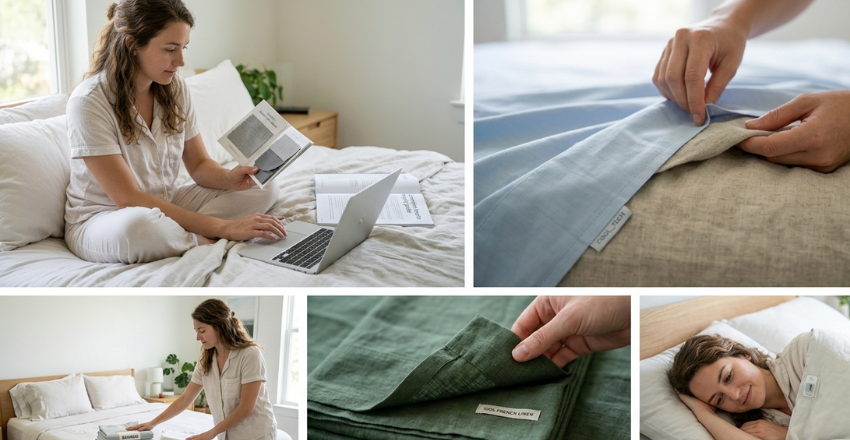
If you sweat heavily at night, prioritize moisture-wicking fabrics like bamboo lyocell or Tencel. And if you run warm but don’t sweat much, percale or linen will likely keep you comfortable thanks to airflow alone, making them excellent choices among the best sheets for hot sleepers.
If you live somewhere humid, look for fabrics with strong moisture absorption rather than just a cool initial touch, since some cooling-tech sheets can feel clammy once they absorb sweat.
It’s also worth considering your climate by season. Many hot sleepers keep a lightweight linen or percale set for summer and switch to a slightly heavier weave, like a breathable cotton flannel or a Tencel blend, for cooler months.
Final Thoughts
There’s no single best sheets for hot sleepers, but understanding how breathability, moisture-wicking, and weave structure work together makes it much easier to choose wisely. Linen and percale cotton remain the most reliable, budget-friendly options for most people, while bamboo and Tencel offer a softer feel with strong moisture control for those willing to spend a bit more.
Whatever you choose, prioritize natural, breathable materials over thread count, and check for trial periods so you can test how the sheets actually perform on a warm night before committing long-term. Investing in high-quality cooling sheets can improve your sleep quality, reduce nighttime discomfort, and provide lasting value for years with proper care.
By selecting bedding that matches your sleep habits, climate, and comfort preferences, you’ll create a cooler, more relaxing sleep environment that helps you wake up refreshed every morning.
Apart from that, if you want to know more about Pink Mold in the Shower: Complete Guide to Causes, Growth, Cleaning Methods, and Long-Term Bathroom Hygiene Solutions then visit our Home Improvement category.
Frequently Asked Questions (FAQs)
Bamboo, linen, Tencel, and percale cotton are among the best choices because they offer excellent breathability and moisture-wicking properties. These fabrics help regulate body temperature for a cooler night’s sleep.
Bamboo sheets generally provide better moisture control and feel cooler against the skin. High-quality cotton, especially percale, is also an excellent option for those who prefer a crisp feel.
Yes, cooling sheets can improve sleep comfort by increasing airflow and reducing heat buildup. While they won’t lower your room temperature, they help your body stay cooler throughout the night.
A thread count between 200 and 400 is ideal for most cooling sheets because it balances softness with breathability. Extremely high thread counts can reduce airflow and trap more heat.
Linen offers exceptional airflow and durability, making it ideal for very warm climates. Bamboo provides a softer feel with excellent moisture-wicking performance for year-round comfort.