

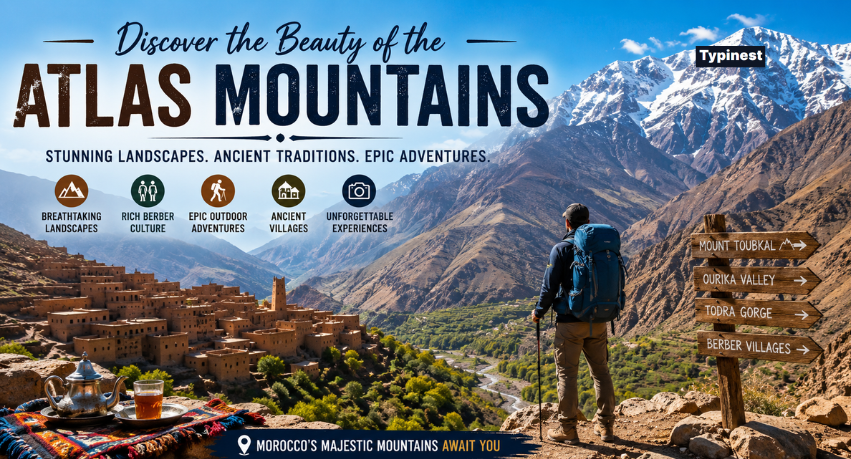
Rising like a rugged spine across northwest Africa, the Atlas Mountains are one of the continent’s most spectacular natural wonders. Stretching over 2,500 kilometers through Morocco, Algeria, and Tunisia, this iconic mountain range is home to snow-capped peaks, lush valleys, dramatic gorges, and centuries-old Amazigh (Berber) villages that have preserved their traditions for generations.
From the towering summit of Mount Toubkal, North Africa’s highest peak, to peaceful valleys dotted with ancient kasbahs, the mountains offer breathtaking scenery at every turn. But the beauty of the Atlas Mountains goes beyond their landscapes.
Visitors can experience authentic Berber culture, enjoy traditional cuisine, explore scenic hiking trails, and discover a way of life deeply connected to nature and history. In this guide, you’ll discover the stunning landscapes, rich heritage, exciting adventures, and essential travel tips that make the mountains one of the world’s most rewarding places to explore.
Atlas Mountains: Quick Facts and Essential Travel Information
| Feature | Details |
| Location | Northwest Africa (Morocco, Algeria, and Tunisia) |
| Mountain Range Length | Approximately 2,500 km (1,550 miles) |
| Highest Peak | Mount Toubkal (4,167 m / 13,671 ft) |
| Highest Peak Location | High Atlas, Morocco |
| Major Mountain Ranges | High Atlas, Middle Atlas, Anti-Atlas, Tell Atlas, Saharan Atlas |
| Best Time to Visit | Spring (March–May) and Autumn (September–November) |
| Winter Activities | Snow hiking, skiing, photography |
| Summer Activities | Trekking, camping, mountain biking |
| Famous Valleys | Ourika Valley, Dades Valley, Ziz Valley, Aït Bouguemez |
| Popular Gorges | Todra Gorge and Dades Gorge |
| Indigenous People | Amazigh (Berber) communities |
| Main Languages | Amazigh, Arabic, French |
| Famous City Gateway | Marrakech, Morocco |
| Top Adventure | Hiking Mount Toubkal |
| Wildlife | Barbary macaques, Barbary sheep, golden eagles, foxes |
| Vegetation | Cedar forests, juniper trees, oak forests, wildflowers |
| Traditional Food | Tagine, couscous, harira, mint tea |
| Popular Outdoor Activities | Hiking, trekking, climbing, cycling, camping |
| Cultural Attractions | Berber villages, kasbahs, local markets |
| Climate | Mediterranean in lower areas, alpine at higher elevations |
| Photography Highlights | Snow-capped peaks, valleys, waterfalls, ancient villages |
| Accommodation Options | Riads, guesthouses, eco-lodges, mountain camps |
| Ideal Trip Duration | 3–7 days for a well-rounded experience |
| Travel Tips | Pack layers, wear hiking boots, hire a local guide |
| Why Visit? | Stunning landscapes, rich culture, outdoor adventures, and authentic local experiences |
Where Are the Atlas Mountains Located?
The Atlas Mountains form a natural barrier between the Mediterranean and Atlantic coastlines and the vast Sahara Desert. They are divided into three main ranges
- The High Atlas (Haut Atlas): Home to North Africa’s highest peak, Mount Toubkal, standing at 4,167 meters (13,671 feet).
- The Middle Atlas (Moyen Atlas): Known for cedar forests, lakes, and cooler, greener landscapes.
- The Anti-Atlas: A drier, rugged range closer to the Sahara, famous for its rose-colored rock formations.
Most travelers access the Atlas Mountains through Morocco, particularly from Marrakech, which sits just an hour’s drive from the High Atlas foothills. This makes the region one of the most accessible mountain destinations in the world, blending adventure travel with rich cultural immersion.
A Landscape That Feels Like Another World
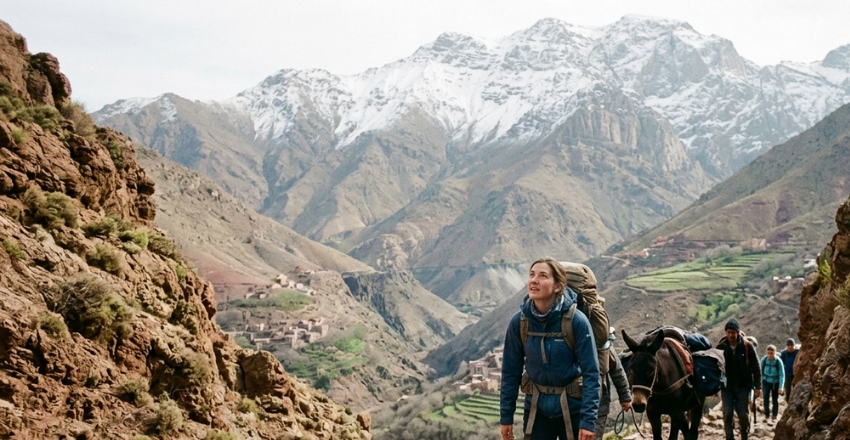
Few mountain ranges offer as much visual diversity as the Atlas. Within a single day, you can go from arid desert plains to snow-dusted peaks, then down into lush valleys filled with almond and walnut orchards.
Some standout landscapes include
- Toubkal National Park: A haven for hikers, with dramatic granite peaks and traditional Berber villages nestled in the valleys below.
- Ourika Valley: A lush, green escape featuring waterfalls, rivers, and terraced farmland just outside Marrakech.
- Dades and Todra Gorges: Deep canyons carved by rivers over millions of years, with cliff walls rising hundreds of meters.
- Ait Benhaddou: A UNESCO World Heritage kasbah (fortified village) built from earthen clay, so cinematic it has appeared in films like Gladiator and the series Game of Thrones.
These landscapes aren’t just beautiful backdrops for photos; they represent thousands of years of natural and human history that have shaped the land into what travelers see today.
The Ancient Traditions of the Berber People
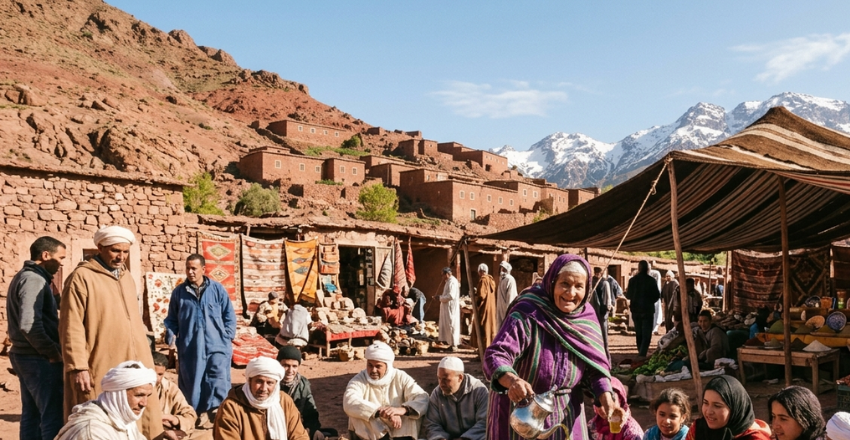
No exploration of the Atlas Mountains is complete without understanding the Amazigh (Berber) people, the indigenous inhabitants of North Africa who have lived in these mountains for thousands of years, long before Arab influence arrived in the region.
The Amazigh culture is deeply tied to the mountains themselves. Villages are often built from local materials like mud, straw, and stone, blending naturally into the surrounding cliffs and terraces. Many communities still rely on traditional farming methods, growing crops on hand-built terraces that have been maintained for generations.
Key cultural elements travelers can experience include
- Traditional Berber hospitality: It’s common for visitors to be welcomed into homes for mint tea, a symbol of friendship and generosity in Berber culture.
- Argan oil production: The Atlas region, particularly the area around Essaouira and the Souss Valley, is one of the only places in the world where argan trees grow naturally. Local Berber women’s cooperatives hand-press argan oil using centuries-old techniques.
- Weekly souks (markets): Mountain villages host rotating markets where locals trade produce, textiles, spices, and handmade crafts.
- Music and storytelling: Traditional Amazigh music, often performed with drums and string instruments, remains central to community celebrations.
Engaging with these traditions offers travelers something increasingly rare: a genuine connection to a living culture, not a staged performance for tourists.
Epic Adventures in the Atlas Mountains
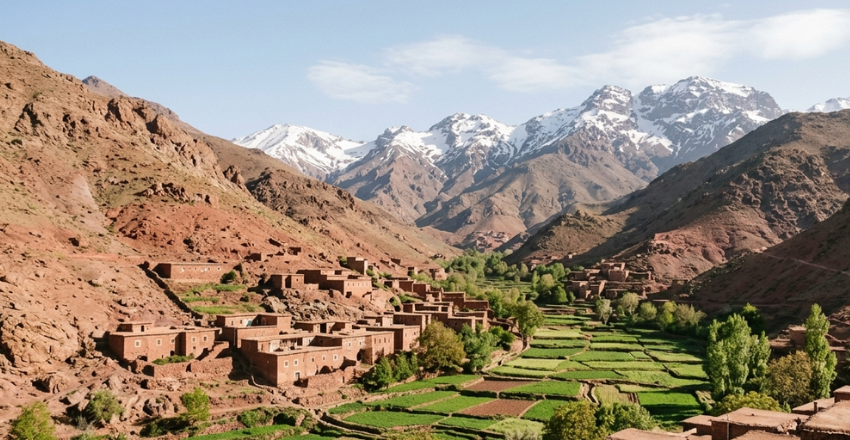
For adventure seekers, the mountains rank among the best trekking destinations in Africa and the Mediterranean region. Here are some of the top experiences worth planning your trip around.
1. Climbing Mount Toubkal
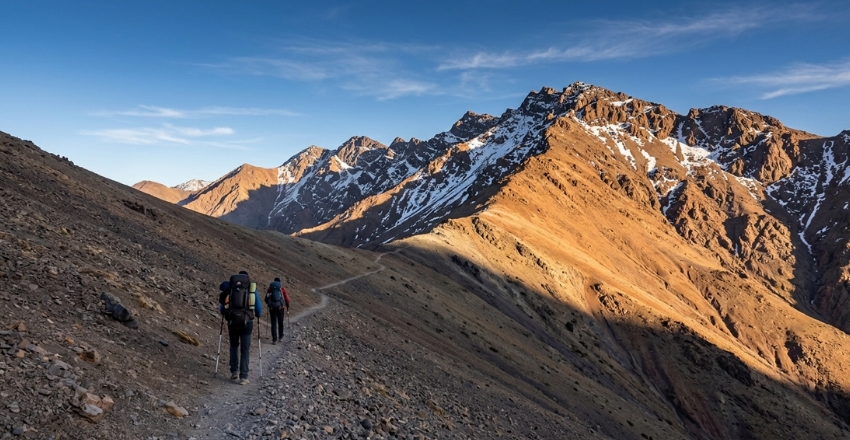
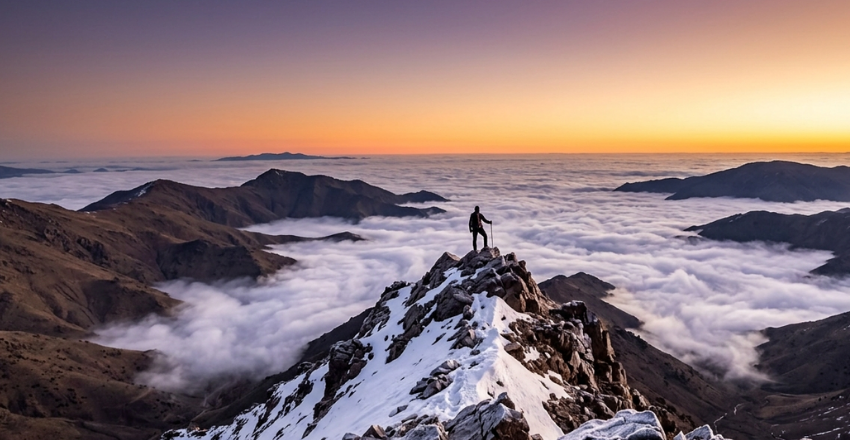
As North Africa’s tallest peak, Toubkal draws hikers from around the world. The standard route to the summit typically takes two days, with an overnight stay at a mountain refuge before an early morning push to the top. No technical climbing skills are required in summer, making it accessible to reasonably fit travelers, though a local guide is highly recommended for safety and navigation.
2. Multi-Day Trekking Routes
Beyond Toubkal, the High Atlas offers multi-day trekking circuits through remote valleys, connecting traditional villages via mule paths used for centuries. These treks often include homestays with local families, offering an intimate look at daily mountain life.
3. Exploring the Kasbahs of the Desert Road
The route from Marrakech to the Sahara Desert passes through some of Morocco’s most iconic kasbahs and gorges. Renting a car or joining a guided tour along this route lets travelers explore ancient fortresses, palms, and dramatic canyon roads.
4. Skiing in Oukaïmeden
Surprisingly, the Atlas Mountains are home to Africa’s highest ski resort, Oukaïmeden, located about 75 kilometers from Marrakech. With a base elevation of over 2,600 meters, it offers a unique winter sports experience in an unexpected setting.
5. Mountain Biking and 4×4 Excursions
The rugged terrain of the Middle and High Atlas is increasingly popular for mountain biking and off-road 4×4 tours, giving travelers access to remote areas that are difficult to reach on foot.
Why These Mountains Deserve a Spot on Your Travel List?
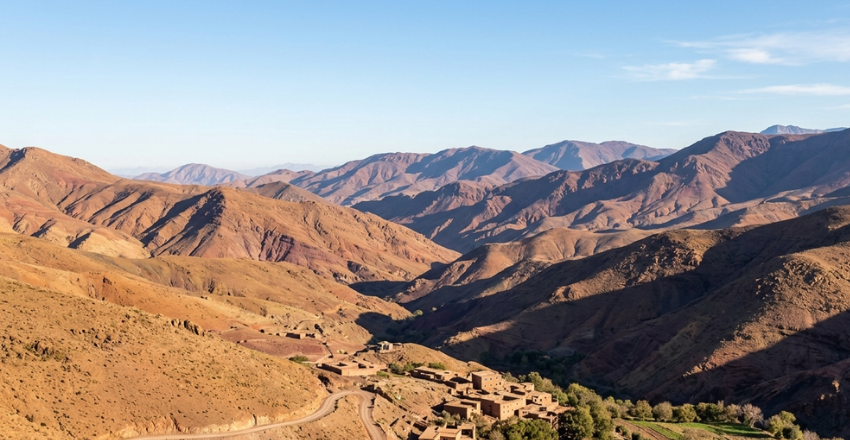
The Atlas Mountains combine three things that are hard to find together in one destination: dramatic natural beauty, living cultural heritage, and genuine adventure. Unlike more commercialized mountain destinations, much of the Atlas range remains authentic, shaped by the communities who have called it home for millennia rather than by mass tourism infrastructure.
The region also offers remarkable accessibility. With Marrakech serving as a major international gateway, travelers can go from an airport to a remote Berber village in a matter of hours, experiencing an entirely different world without extensive travel logistics.
Practical Tips for Visiting
- Best time to visit: Spring (April to June) and autumn (September to October) offer the most comfortable temperatures for trekking.
- What to pack: Layered clothing is essential, as temperatures can shift dramatically between valleys and higher elevations, even in summer.
- Hire local guides: Not only does this improve safety on mountain routes, but it also directly supports local Berber communities.
- Respect local customs: Modest clothing and polite greetings go a long way in rural villages.
- Stay hydrated and acclimate: Higher elevations, especially around Toubkal, can cause altitude discomfort if you ascend too quickly.
Final Thoughts
The Atlas Mountains are much more than a stunning mountain range; they are a place where breathtaking landscapes, rich Amazigh (Berber) culture, and unforgettable adventures come together. From hiking scenic trails and exploring ancient villages to experiencing warm local hospitality, every visit offers a unique glimpse into North Africa’s natural and cultural heritage.
Whether you’re an outdoor enthusiast, a history lover, or simply looking for a memorable escape, the mountains have something for everyone. With their spectacular scenery and authentic experiences, they remain among Africa’s most rewarding destinations and places every traveler should experience at least once.
Want to know about Best Carry-On Luggage for Every Type of Traveler: 16 Top Picks for Business Trips, Vacations, and Weekend Getaways Check out our Travel category.
Frequently Asked Questions (FAQs)
The Atlas Mountains stretch for over 2,500 kilometers across Morocco, Algeria, and Tunisia, separating the Mediterranean coast from the Sahara Desert.
Mount Toubkal is the highest peak in the High Atlas and in all of North Africa, standing at 4,167 meters (13,671 feet) above sea level.
The best times to visit are spring (March to May) and autumn (September to November), when the weather is mild, making hiking and sightseeing more enjoyable.
The mountains are home to the Amazigh (Berber) people, who have preserved their unique language, traditions, architecture, and warm hospitality for centuries.
Visitors may spot Barbary macaques, Barbary sheep, golden eagles, wild boars, foxes, and many native bird species, especially in the Middle Atlas region.