

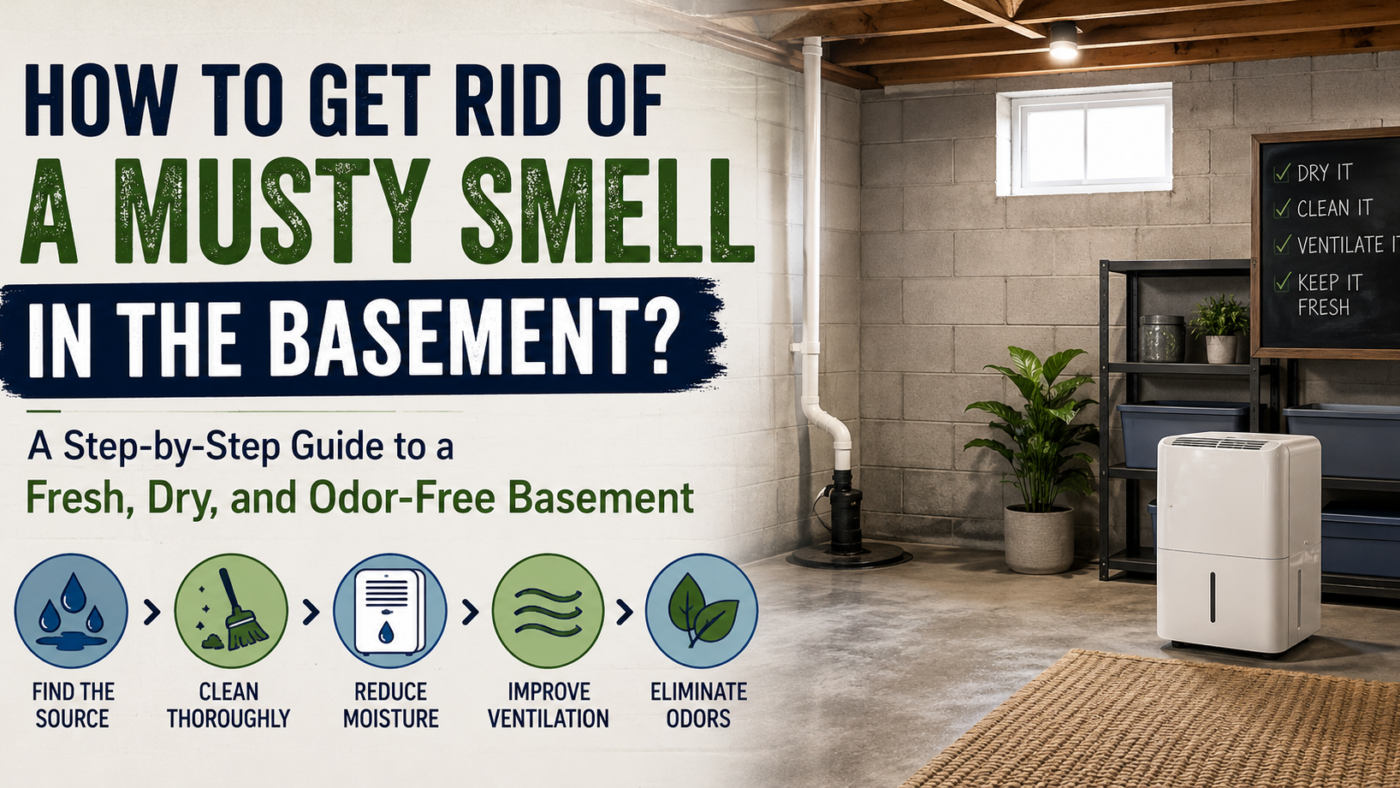
A musty smell in the basement is more than just an unpleasant odor; it is often a clear warning sign of underlying moisture problems, poor ventilation, or hidden mold growth. Because basements are naturally cooler and more prone to humidity buildup, they create the perfect environment for damp conditions that can quickly lead to persistent odors and structural issues if ignored.
Understanding the root causes of these smells is the first step toward creating a clean, dry, and healthy basement space. In this guide, we will explore the main causes of musty basement odors and provide a complete, step-by-step approach to eliminate them effectively and prevent them from returning.
Table: Complete Guide to Removing Musty Basement Smell
| Section | Key Focus | Main Actions / Solutions |
| Why Basement Smells Musty | Causes of odor | High humidity, mold, leaks, poor ventilation, damp materials, condensation |
| Signs of Moisture Problems | Early warning indicators | Musty smell, mold spots, damp walls, water stains, efflorescence, rust, peeling paint |
| Find Moisture Source | Root cause identification | Inspect cracks, pipes, drainage, and groundwater seepage |
| Remove Mold & Mildew | Health & hygiene step | Clean with vinegar or a mold remover, use protective gear, and have large infestations professionally repaired. |
| Reduce Humidity | Moisture control | Use a dehumidifier, improve ventilation, maintain 30–50% humidity |
| Deep Cleaning | Surface sanitation | Clean floors, walls, shelves, and baseboards; dry thoroughly |
| Remove Damp Items | Prevent odor retention | Replace cardboard, remove damp books/clothes, use plastic storage bins |
| Clean Carpets & Flooring | Odor absorption control | Steam clean carpets, replace if moldy, use moisture-resistant flooring |
| Wash Basement Walls | Mold prevention | Clean with vinegar/detergent, repaint with waterproof masonry paint |
| Neutralize Odors | Odor removal | Use baking soda, charcoal, vinegar, coffee grounds |
| Waterproof Basement | Long-term protection | Install drainage systems, sump pump, vapor barriers, seal foundation |
| Install Sump Pump | Flood prevention | Removes groundwater, reduces humidity, protects basement |
| Replace Insulation | Mold prevention | Remove wet insulation, use moisture-resistant materials |
| Year-Round Maintenance | Prevention | Regular dehumidifier use, gutter cleaning, leak checks, humidity monitoring |
| Common Mistakes | Things to avoid | Air fresheners, ignoring leaks, poor ventilation, over-cluttering, painting over mold |
| Best Products | Helpful tools | Dehumidifiers, air purifiers, hygrometers, sealants, moisture absorbers |
| When to Call Professionals | Serious issues | Extensive mold, structural damage, flooding, sewage backup, hidden moisture |
Why Does a Basement Smell Musty?
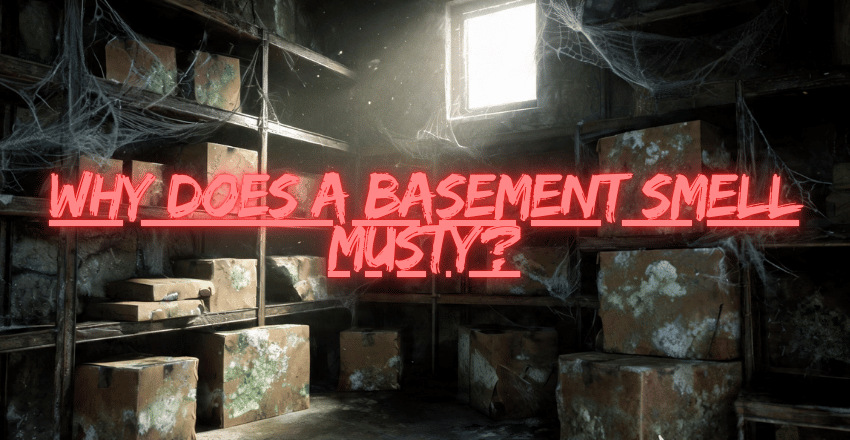
Before removing the odor, we must identify its source. A musty basement smell usually results from one or more factors, including high humidity, mold and mildew growth, standing water, water leaks, poor air circulation, damp concrete walls, wet insulation, old carpeting, cardboard boxes that absorb moisture, and rotting wood or other organic materials. Our related guide, Best Makeup Remover, goes further into this.
Basements naturally remain cooler than the rest of the home, and when warm, humid air enters the basement, it can condense on cold surfaces. This creates the perfect environment for mold and mildew to develop and spread, which ultimately leads to persistent musty odors.
Signs That Moisture Is Causing Basement Odors
Common warning signs include:
- Persistent earthy smell
- Visible mold spots
- White powder (efflorescence) on concrete
- Peeling paint
- Damp walls
- Water stains
- Condensation on windows
- Rust on metal fixtures
- Warped wood
- Increased allergy symptoms indoors
If multiple signs appear together, moisture is almost certainly the root cause.
How to Get Rid of Musty Smell in the Basement?
Step 1: Find the Source of Moisture
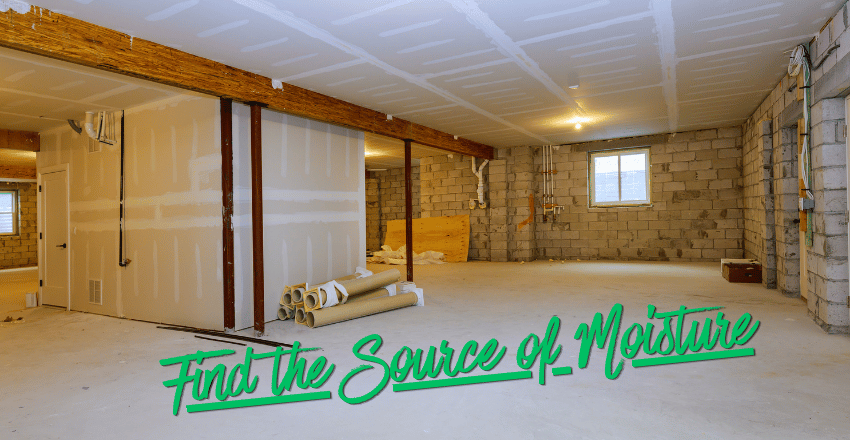
Removing the smell without fixing the moisture is only a temporary solution. Inspect the basement carefully for:
Foundation Cracks
Even tiny cracks allow groundwater to seep inside.
Look around:
- Wall corners
- Floor joints
- Window wells
- Utility pipe entrances
Seal cracks using hydraulic cement or professional-grade epoxy injection.
Leaking Pipes
Inspect:
- Water heaters
- Washing machine connections
- Utility sinks
- Water supply lines
- Drain pipes
Repair leaks immediately.
Poor Exterior Drainage
Rainwater should flow away from your home.
Check:
- Gutters
- Downspouts
- Yard grading
- French drains
Extend downspouts at least 6–10 feet away from the home’s foundation.
Groundwater Seepage
After heavy rain, inspect for:
- Damp concrete
- Water puddles
- Wet corners
Persistent seepage may require professional waterproofing.
Step 2: Remove Mold and Mildew
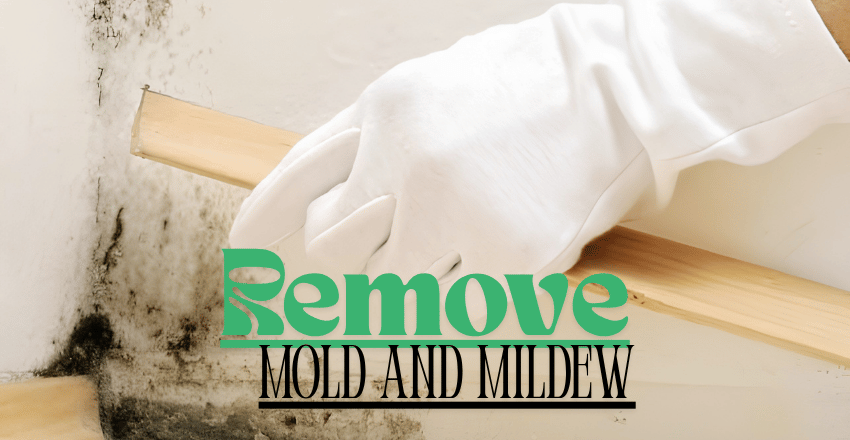
Once moisture is controlled, eliminate existing mold.
Wear:
- Gloves
- Safety goggles
- N95 mask
Clean hard surfaces using:
- White vinegar
- Hydrogen peroxide
- Commercial mold remover
- Scrub thoroughly.
- Avoid mixing cleaning chemicals.
If mold covers more than approximately 10 square feet, professional remediation is recommended.
Step 3: Lower Basement Humidity
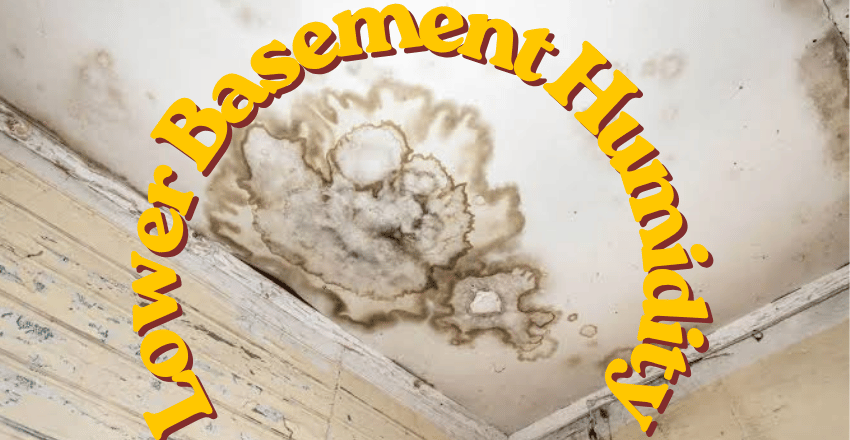
Humidity should remain between 30% and 50%. The most effective methods include:
1. Use a Dehumidifier
A quality dehumidifier continuously removes excess moisture. Choose one that is appropriately sized for your basement. Features to consider:
- Auto humidity control
- Continuous drainage
- Large water tank
- Energy efficiency
Run it regularly during humid seasons.
2. Improve Air Circulation
Stagnant air allows odors to linger.
Increase airflow by:
- Opening basement windows when outdoor humidity is low
- Running box fans
- Installing exhaust fans
- Keeping interior doors open
- Using ceiling fans if available
Fresh air significantly reduces odor buildup.
Step 4: Deep Clean Every Surface

Odors cling to porous materials.
Clean:
- Concrete floors
- Shelving
- Walls
- Storage containers
- Furniture
- Window sills
- Baseboards
Use warm water with mild detergent. For concrete floors, scrub using a stiff brush. Allow everything to dry completely before replacing stored items.
Step 5: Remove Damp Storage Items

Many stored belongings trap moisture.
Inspect:
- Cardboard boxes
- Old books
- Clothing
- Paper files
- Rugs
- Upholstered furniture
Replace cardboard with:
- Plastic storage bins
- Waterproof containers
- Sealed totes
These resist moisture and reduce odor absorption.
Step 6: Clean Carpets and Rugs

Basement carpeting often absorbs moisture, which can lead to persistent dampness and unpleasant odors if not properly addressed. It is important to vacuum the carpet thoroughly to remove dust, dirt, and trapped particles.
If the carpet is not mold-damaged, steam cleaning can be an effective way to eliminate moisture and improve hygiene. However, if the carpet remains damp for long periods or shows signs of mold growth, replacement is often the most reliable long-term solution.
In such cases, it is better to consider moisture-resistant flooring options such as vinyl, tile, sealed concrete, or waterproof laminate, as these materials are far more moisture-resistant than traditional carpet and help prevent future odor problems.
Step 7: Wash Basement Walls
Concrete and painted walls can trap mildew spores.
Wash using:
- Warm water
- Mild detergent
- Vinegar solution
- Scrub corners carefully.
- Allow walls to dry completely before repainting.
If repainting, use waterproof masonry paint.
Step 8: Neutralize Remaining Odors Naturally

Once the source is removed, absorb any lingering smells. Excellent natural odor absorbers include:
Baking Soda
- Place open containers around the basement.
- Replace monthly.
Activated Charcoal
Activated charcoal absorbs airborne odors efficiently.
Place charcoal bags near:
- Storage areas
- Utility rooms
- Damp corners
Recharge or replace according to the manufacturer’s instructions.
White Vinegar
- Leave bowls of white vinegar overnight.
- It naturally absorbs unpleasant odors.
Coffee Grounds
- Dry coffee grounds can help reduce mild odors.
- Replace every few days.
Step 9: Waterproof Your Basement

If moisture returns repeatedly, waterproofing becomes essential.
Professional waterproofing options include:
- Interior drainage systems
- Exterior waterproof membranes
- Sump pump installation
- Drain tile systems
- Vapor barriers
- Foundation sealing
These solutions provide long-term moisture protection.
Step 10: Install a Sump Pump
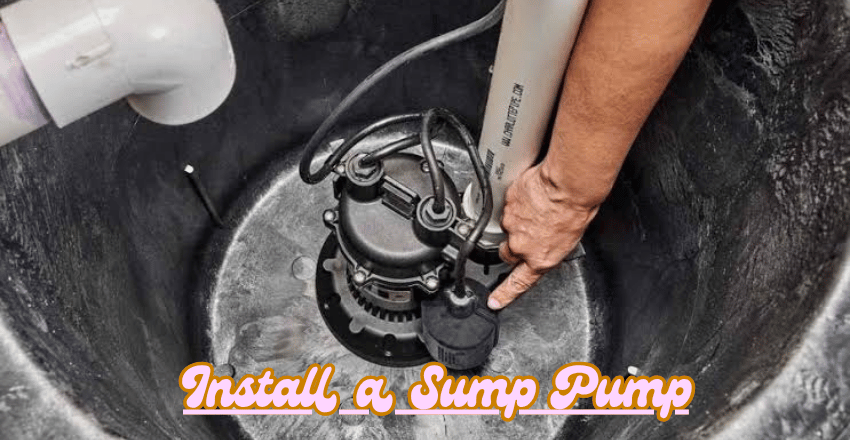
Homes prone to flooding benefit greatly from sump pumps. Benefits include:
- Removes groundwater
- Prevents standing water
- Reduces humidity
- Protects finished basements
- Prevents mold growth
Choose a battery backup model for power outages.
Step 11: Replace Old Insulation

Wet insulation becomes a breeding ground for mold. Inspect insulation around:
- Rim joists
- Exterior walls
- Utility pipes
Replace any insulation showing:
- Mold
- Water damage
- Musty odor
- Compression
Closed-cell spray foam offers superior moisture resistance.
Step 12: Keep the Basement Dry Year-Round
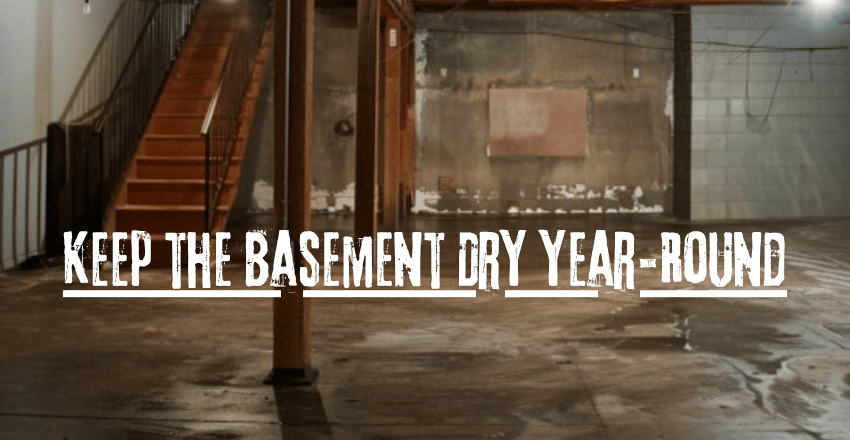
Prevention is easier than restoration.
Maintain your basement by:
- Running a dehumidifier
- Cleaning gutters twice yearly
- Inspecting plumbing monthly
- Fixing leaks immediately
- Monitoring humidity
- Keeping storage elevated
- Avoiding clutter
- Cleaning spills promptly
Consistency prevents odors from returning.
Common Mistakes That Make Basement Smells Worse
Avoiding common mistakes is essential to preventing moisture buildup and mold growth in the basement. Many homeowners make the error of using air fresheners instead of addressing the actual moisture problem, while others ignore even small leaks that can worsen over time.
Storing items directly on concrete floors, turning off the dehumidifier too early, or completely closing ventilation can also trap moisture in the space.
Additionally, painting over mold rather than removing it, leaving wet laundry in the basement, and overcrowding storage areas all contribute to persistent damp conditions. These habits, when combined, trap moisture and create the perfect environment for mold and mildew to grow.
Best Products for Eliminating Musty Basement Smells
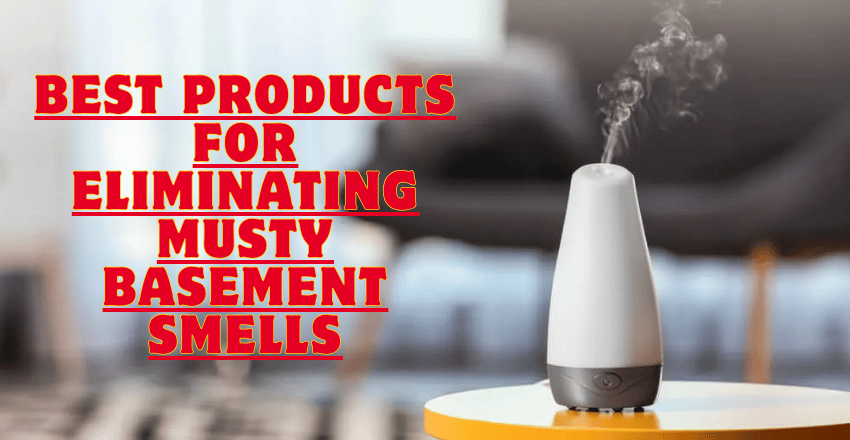
Effective products include:
- Dehumidifiers
- HEPA air purifiers
- Moisture absorbers
- Activated charcoal bags
- Mold removal sprays
- Hydraulic cement
- Waterproof sealants
- Hygrometers
- Plastic storage containers
- Exhaust fans
Using the right combination provides lasting results.
When to Call a Professional?
Professional help is recommended if you notice serious warning signs in your basement, such as extensive mold growth, foundation movement, flood damage, sewage backup, persistent water intrusion, structural cracks, or strong odors that remain even after thorough cleaning.
In such cases, experts can accurately assess the situation and identify hidden moisture problems behind walls, under flooring, and in other hard-to-reach areas that are not easily visible during a normal inspection.
Conclusion
Eliminating a musty basement smell requires more than temporary fixes; it demands a complete approach that addresses moisture control, mold removal, proper ventilation, and long-term prevention. From identifying hidden leaks and improving drainage to using dehumidifiers and replacing moisture-damaged materials, each step plays an important role in restoring a fresh and healthy environment.
Consistency in maintenance is key to preventing odors from returning. By following the strategies outlined in this guide, you can transform your basement into a dry, safe, and odor-free space that enhances your home’s comfort and value.
Want to know about Cost of Termite Treatment: A Complete Breakdown of Prices, Factors, Methods, and Expert Solutions for Homeowners Check out our Home Improvement category.
Frequently Asked Questions
You must deal with the underlying source of a musty basement odor—excessive moisture—if you want to get rid of it permanently. The best strategy involves odor-neutralizing agents, air circulation, and moisture management.
The classic baking soda. It is odorless yet incredibly effective at absorbing scents, making it the ideal deodorizer for trouble locations (Fido and Fluffy, take note). To help neutralize scents ingrained in your carpet, sprinkle it on it and let it sit for an hour before cleaning.
Despite its prevalence, a musty basement is abnormal and should not be disregarded. The earthy smell is a clear indication of retained moisture, which promotes the growth of bacteria, mold, or mildew. This moist climate can harm the construction of your house and degrade indoor air quality if not controlled.
Yes. Persistent musty odors often indicate mold or mildew, which can negatively affect indoor air quality and may trigger allergies or respiratory irritation in sensitive individuals.
A dehumidifier reduces excess moisture, which helps eliminate the conditions that cause musty smells. However, existing mold, mildew, or water damage should also be addressed for permanent results.