

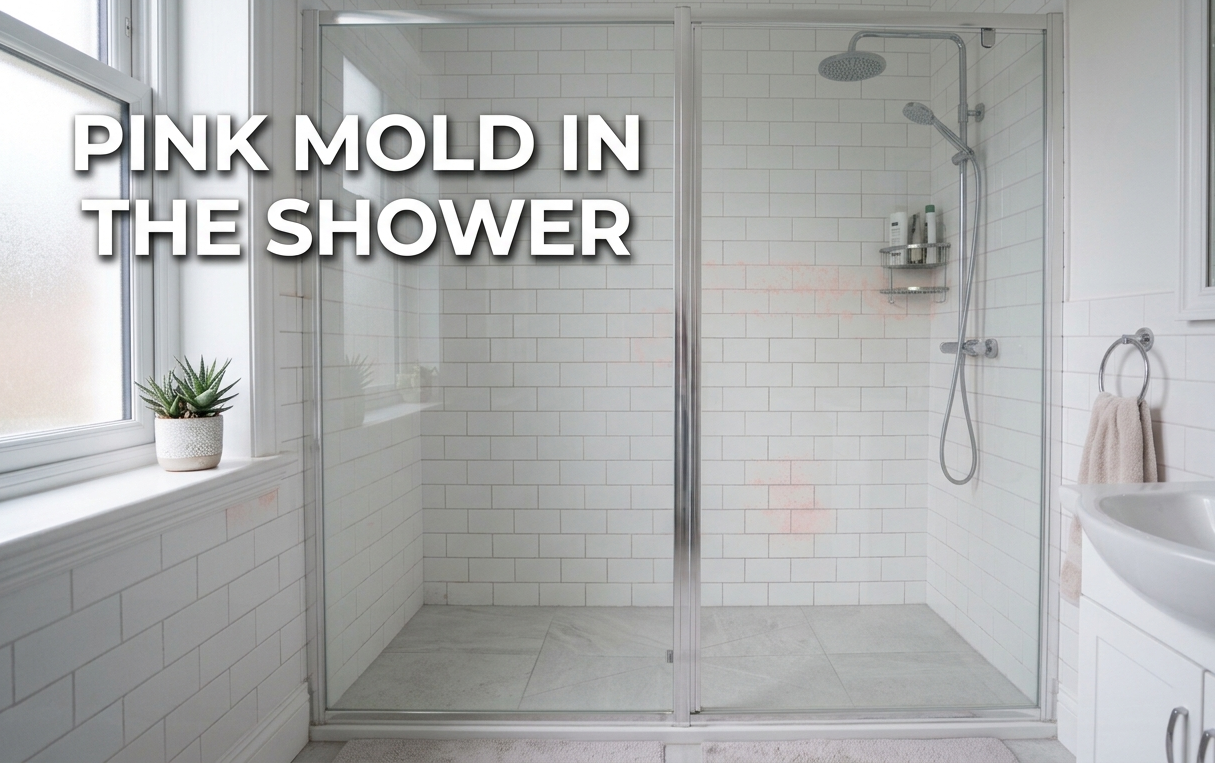
Pink mold in the shower can develop due to trapped moisture, organic buildup, and poor airflow in enclosed spaces. Bathroom cleanliness is essential because bacterial buildup can develop quickly in moist areas, affecting overall hygiene and safety. This issue often appears as pink or reddish slimy patches in bathrooms, especially where warmth, humidity, and soap residue are present.
It commonly forms on tiles, grout lines, drains, and shower curtains when cleaning is irregular and ventilation is poor. The pink mold in the shower problem can spread within 24 to 72 hours if ignored, making proper cleaning methods, suitable disinfectants, and consistent maintenance important for preventing regrowth and maintaining a healthy, fresh bathroom environment.
| Basics | Details |
| Pink Mold In The Shower | Bacterial growth, not true mold |
| Appearance | Pink, red, slimy patches seen |
| Environment | Warm, damp, humid bathrooms |
| Growth cause | Soap residue moisture buildup |
| Growth trigger | Poor ventilation traps humidity |
| Early stage | Small pink spots appear. |
| Spread speed | Within 24–72 hours fast |
| Main areas | Tiles, grout, drains, and curtains |
| Hygiene issue | Irregular cleaning increases growth. |
| Bacteria source | Serratia marcescens organism type. |
| Health risk | Skin eye mild irritation |
| Sensitive users | Asthma immune risk is higher. |
| Chemicals used | Bleach peroxide vinegar sprays |
| Cleaning cost | $3 to $10 range |
| Deep cleaning | 5–10 min soak scrub |
| Prevention method | Dry airflow weekly cleaning |
Pink Mold In The Shower: What Pink Mold Really Is?
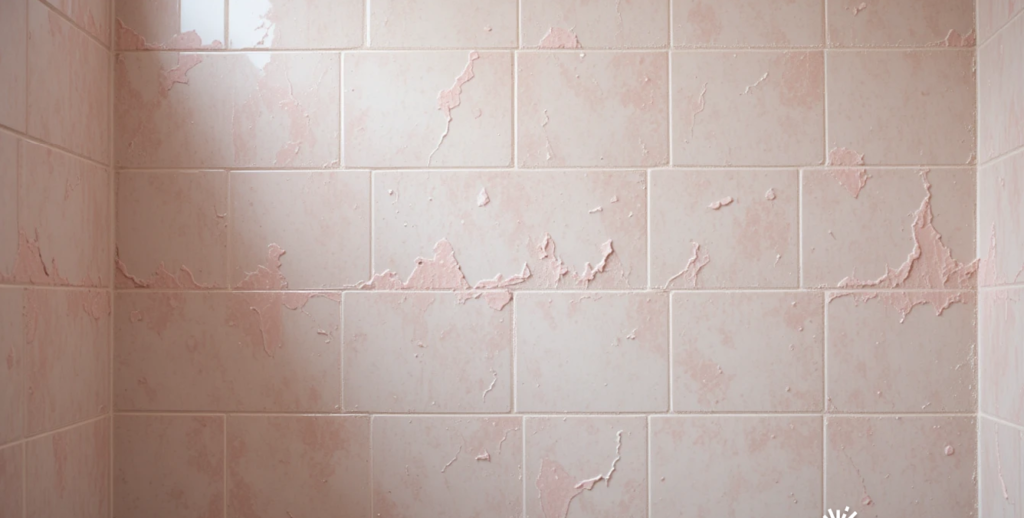
Pink mold is not a real mold but a bacterial growth known as Serratia marcescens. It appears as pink, red, or orange slimy patches in bathrooms. It grows in warm, damp environments where soap residue, body oils, and moisture accumulate. Poor ventilation, humidity, and irregular cleaning create ideal conditions. It spreads quickly on tiles, grout, curtains, and shower surfaces if not removed properly and consistently.
Growth Process
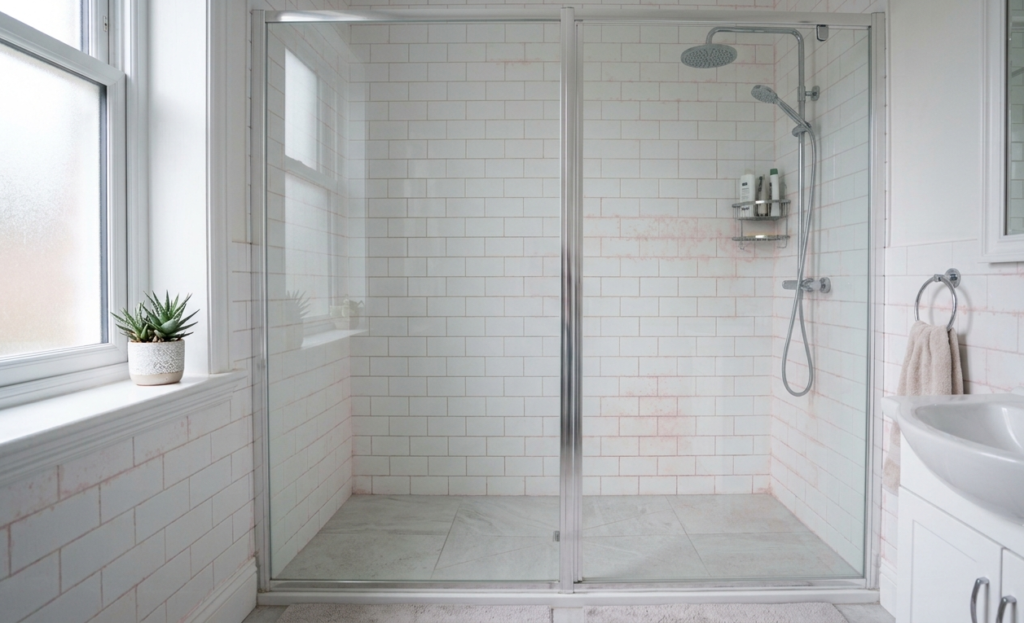
pink mold in the shower develops when bacteria feed on soap scum, shampoo residue, and trapped moisture after bathing. Warm temperatures and stagnant air help it multiply faster. It usually begins as small pink spots in corners, grout lines, or drains. If ignored, it spreads across wet surfaces within days. Continuous moisture and lack of cleaning accelerate growth and make removal more difficult over time.
Main Causes Behind Bathroom Bacterial Growth
The main causes include high humidity, poor airflow, constant water exposure, and the buildup of organic residue. Soap and shampoo particles provide nutrients for bacteria. Leaking pipes, wet curtains, and dirty grout also increase risk. Bathrooms used frequently without proper drying become ideal breeding zones. Warm temperatures further speed up bacterial spread, making regular cleaning and ventilation essential for prevention and control. We cover this in more depth in Cfcs And Smog.
Health Risks You Should Know
- This bacterial growth is generally not harmful, but it can still affect health in some cases.
- It may cause skin irritation, mild allergic reactions, eye discomfort, or breathing issues in sensitive individuals.
- People with asthma or weak immune systems are more vulnerable.
- Long-term exposure is not recommended.
Maintaining proper hygiene and dryness helps reduce health risks and improve overall safety in indoor bathrooms.
Removal Chemicals and Costs
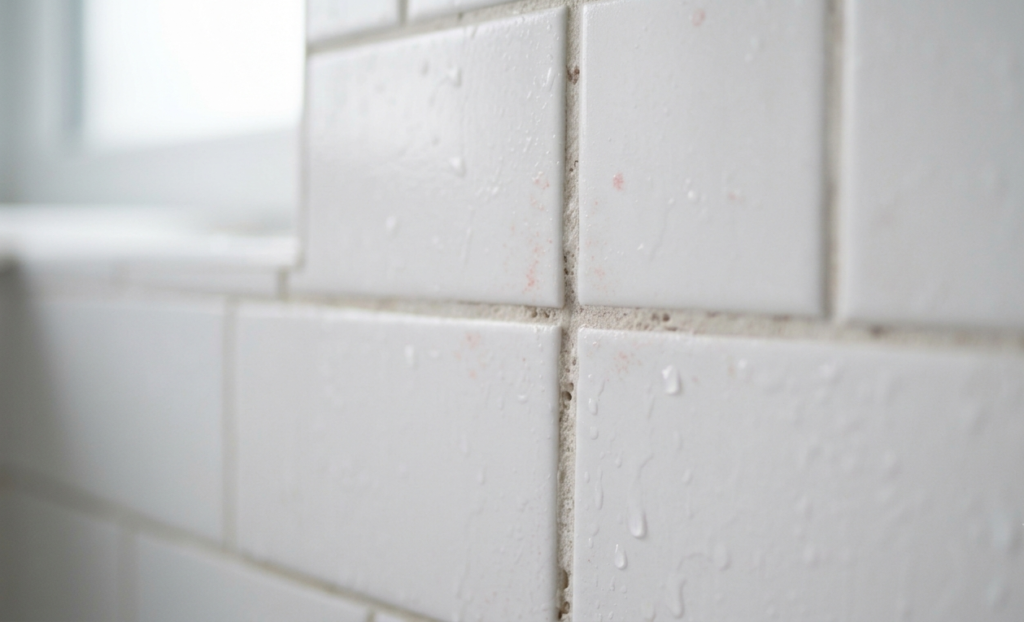
Pink mold in the shower can be removed using bleach, hydrogen peroxide, white vinegar, or commercial disinfectant sprays. Bleach is the strongest chemical and kills bacteria quickly, while hydrogen peroxide offers safer light cleaning. Vinegar is natural but slower-acting. Most cleaning products cost between $3 and $10 per bottle, making them affordable for regular home bathroom maintenance and cleaning routines.
Deep Cleaning Methods
Deep cleaning involves spraying disinfectant directly on affected areas and allowing it to sit for 5 to 10 minutes. Scrubbing with a stiff brush removes slime from tiles, grout, and corners. Hot water rinsing completes the process. For heavy buildup, multiple cleaning sessions may be required. Steam cleaning can also help loosen bacteria and improve sanitation, ensuring long-lasting bathroom cleanliness and hygiene.
Why Bathrooms Are the Perfect Place for Growth?
- Bathrooms are ideal for bacterial growth because they combine heat, moisture, and organic residue.
- Water droplets after showers significantly increase humidity levels.
- Soap particles act as a food source for bacteria.
- Poor ventilation traps damp air inside.
- Dark corners, grout lines, and drains retain moisture longer.
These conditions create a perfect environment for fast bacterial growth and repeated contamination if not managed properly.
Shower Prevention Techniques
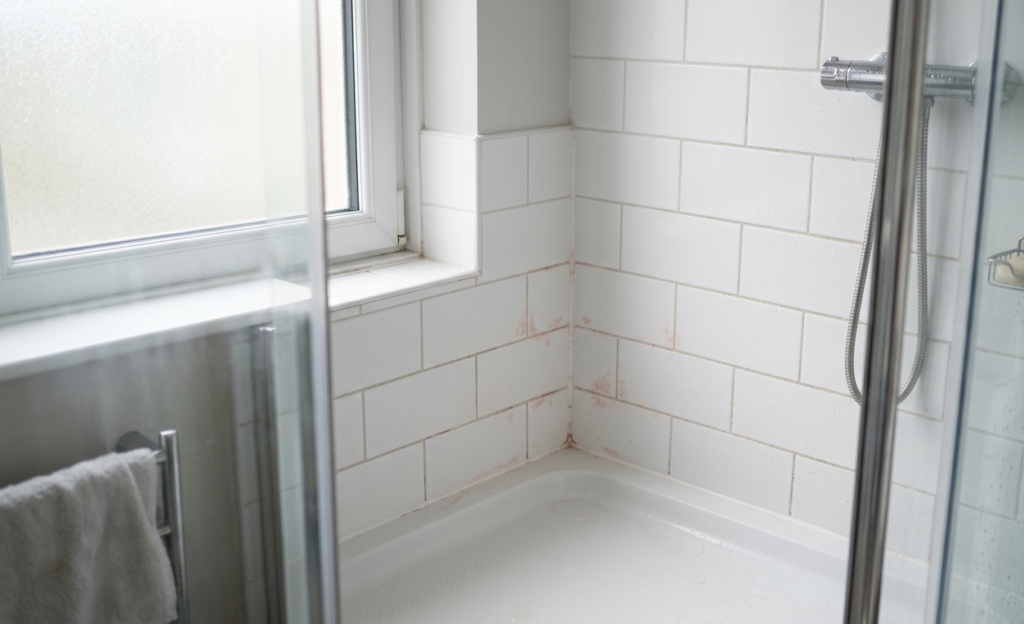
Pink mold in the shower can be prevented by maintaining airflow, drying surfaces after each use, and cleaning regularly. Exhaust fans help reduce humidity buildup. Wiping tiles, glass, and walls removes excess water. Fixing leaks prevents long-term dampness. Weekly use of mild disinfectants helps stop bacterial formation. Prevention is easier, safer, and more cost-effective than repeated deep cleaning or chemical treatments.
Growth Cycle Explained
Pink mold in the shower follows a rapid growth cycle that depends on moisture levels. It begins when bacterial spores settle on wet surfaces. Within 24 to 48 hours, pink patches become visible. If not cleaned, it spreads quickly across tiles and grout. Over time, it thickens and becomes harder to remove. Regular cleaning effectively breaks this cycle and prevents long-term bacterial buildup.
Long-Term Care and Maintenance Strategy
- Long-term maintenance requires consistent cleaning habits.
- Weekly deep cleaning helps control bacterial buildup.
- Daily drying of wet surfaces reduces moisture.
- Using antibacterial sprays once or twice a week provides protection.
- Replacing old shower curtains prevents the buildup of hidden bacteria.
- Proper ventilation keeps the air dry.
These combined steps ensure long-lasting cleanliness, reduce recurrence, and maintain a consistently safe, fresh, and hygienic bathroom environment.
Conclusion
In conclusion, managing pink mold in the shower is important for maintaining a clean, safe bathroom environment. This bacterial growth develops in warm, damp areas due to soap residue, moisture buildup, and poor ventilation. It can spread quickly within 24 to 72 hours on tiles, grout, and curtains if not cleaned properly.
Using effective chemicals like bleach, hydrogen peroxide, or vinegar, along with regular scrubbing and proper drying, helps control it. With consistent cleaning, good airflow, and preventive habits, pink mold can be avoided, ensuring long-term hygiene, safety, and a fresh bathroom space.
Apart from that, if you want to know more about How To Get Rid Of A Musty Smell In The Basement? A Step-by-Step Guide To A Fresh, Dry, And Odor-Free Basement then visit our Home Improvement category.
FAQs
Bacterial growth in bathrooms is mainly caused by moisture, soap residue, and poor ventilation. Warm, humid conditions allow microorganisms to multiply quickly on wet surfaces and in corners.
Bathroom surfaces can be cleaned with disinfectants such as bleach, vinegar, or hydrogen peroxide. Scrubbing with a brush and thoroughly rinsing helps remove slime and maintain hygiene.
It is usually not highly dangerous, but it may cause mild skin irritation, allergies, or breathing discomfort in sensitive individuals. Proper cleaning reduces these risks significantly.
It spreads rapidly because moisture, warmth, and organic residue create ideal conditions for growth. Without regular cleaning, bacteria multiply and quickly cover surfaces.
Prevention includes improving airflow, drying wet areas, fixing leaks, and cleaning regularly. Using mild disinfectants weekly helps maintain hygiene and effectively prevents recurring bacterial contamination.