
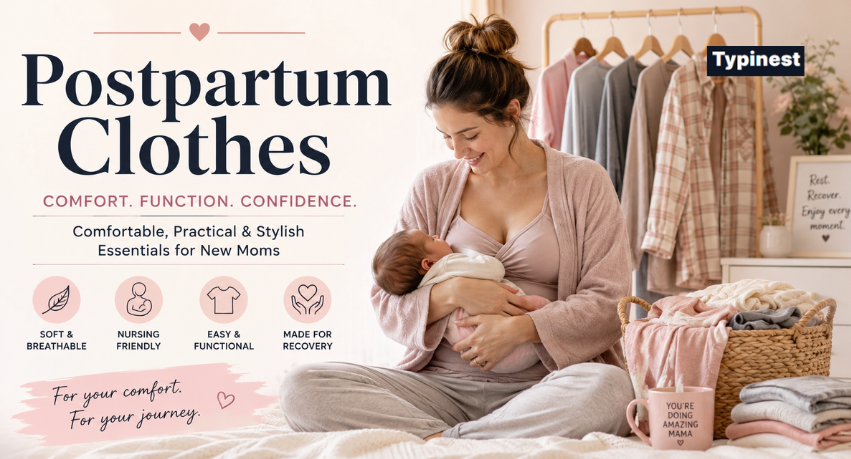
Bringing a new baby home is a beautiful, whirlwind experience that marks one of the most profound transitions of your life. Amid the late-night feedings, diaper changes, and sweet newborn snuggles, your body is undergoing a massive physical recovery, which is why choosing the right postpartum clothes is so important. It takes roughly 6 to 8 weeks for your uterus to return to its pre-pregnancy size, during a phase healthcare providers call the fourth trimester.
During these crucial weeks, your skin is hyper-sensitive, your organs are shifting back into place, and your hormones are fluctuating dramatically. Managing this intense healing process while simultaneously learning to care for a completely dependent newborn is demanding. That is why your wardrobe choices during this period are not about vanity; they are a fundamental form of postpartum self-care.
You need a functional, soothing capsule wardrobe that supports your healing anatomy, simplifies midnight nursing, and helps you feel human when your support system stops by. Here is your ultimate guide to the most comfortable, practical, and stylish postpartum clothes for every part of your new daily routine.
Postpartum Clothing Options and Their Uses
| Postpartum Clothes Type | Description |
|---|---|
| Cotton Nightgowns | Soft, breathable, and ideal for sleeping comfortably after delivery. |
| Button-Down Pajamas | Easy access for breastfeeding without fully undressing. |
| Nursing Nightgowns | Designed with clip-down straps for quick and easy feeding. |
| Loose T-Shirts | Comfortable for daily wear and gentle on healing skin. |
| High-Waist Leggings | Provide light support for the abdomen after birth. |
| Nursing Bras | Allow easy one-hand access for breastfeeding. |
| Wrap Tops | Adjustable fit that suits changing body size postpartum. |
| Oversized Shirts | Relaxed fit for comfort and casual home wear. |
| Cotton Co-ord Sets | Stylish yet comfortable outfits for home and visitors. |
| Maternity Robes | Easy layering and perfect for hospital or home use. |
| Stretchable Dresses | Comfortable for movement and everyday activities. |
| Button-Down Shirts | Practical for nursing and quick access feeding. |
| Bamboo Fabric Sets | Soft, breathable, and skin-friendly material choice. |
| Nursing Tank Tops | Hidden openings for discreet breastfeeding. |
| Loose-Fit Tunics | Provide coverage and comfort during recovery. |
| Sleep Bras | Light support without tight pressure on the chest. |
| Soft Joggers | Comfortable for walking and light activity at home. |
| Postpartum Shapewear (Light) | Gentle support for abdominal muscles after birth. |
| Zip-Front Hoodies | Easy to wear and remove during breastfeeding. |
| Maxi Dresses | Flowing design for comfort and breathability. |
| Front-Open Cardigans | Great for layering and temperature control. |
| Stretch Cotton Shorts | Comfortable option for warmer weather postpartum. |
| Nursing Camisoles | Lightweight and easy for nighttime feeding. |
| Loose-Fit Rompers | One-piece comfort outfit for home use. |
| Thermal Sets | Ideal for colder climates while staying comfortable. |
Deep Sleep & Midnight Feeds: Best Postpartum Clothes
When you are only getting chunks of sleep at a time, the quality of your sleepwear matters. The ideal postpartum pajamas must balance temperature regulation with effortless access to nursing.
Look for These Fabrics
Avoid synthetic materials like polyester, which trap heat and sweat. Instead, invest in Bamboo viscose, Modal, or 100% Organic Cotton. Bamboo and modal are naturally thermoregulating, moisture-wicking, and incredibly silk-like against sensitive skin.
Top Sleepwear Styles
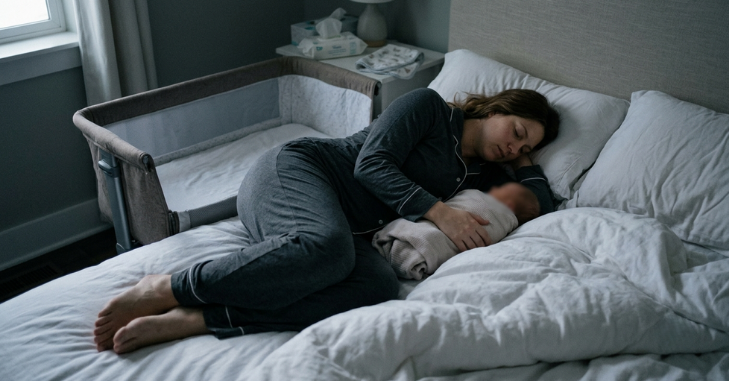
Button-down pajama sets are a popular choice for new mothers because they provide comfort while making breastfeeding and skin-to-skin contact quick and convenient. For mothers recovering from a C-section, nursing nightgowns can be especially beneficial, as they eliminate pressure from waistbands and often include built-in wireless support with easy-access nursing clips for added comfort and practicality.
Fast & Easy Access: The Best Nursing Tops and Bras
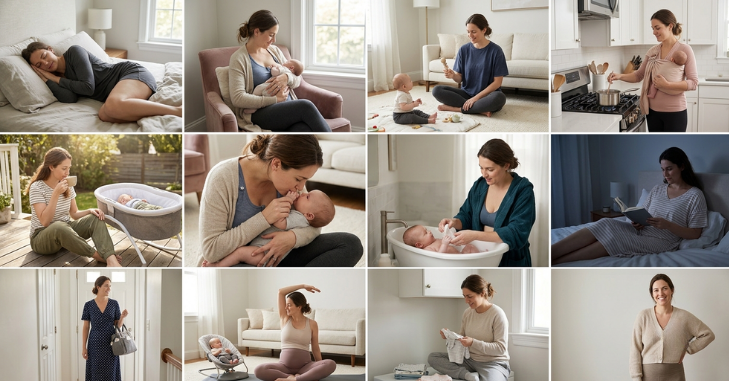
Whether you are strictly breastfeeding, pumping, or practicing combo-feeding, access is everything. You don’t want to lift up a heavy, bunched-up sweatshirt every two hours.
Essential Postpartum Bras
During the first 4 to 6 weeks after birth, your breast size may change significantly as your milk supply becomes established. Avoid underwiring bras entirely, as they can constrict tissue and contribute to blocked milk ducts or mastitis.
- The Seamless Crossover Bra: Perfect for daytime lounging and sleeping. You simply pull the fabric aside to nurse.
- The Structural Drop-Cup Bra: Provides a bit more support for outings and features easy one-handed clips that allow the cup to be fully lowered.
Everyday Nursing Tops

Loose-fit tanks with side slits, hidden zippers, or deep armholes make breastfeeding easier while providing coverage and comfort, making them an essential part of postpartum clothes. For added style and versatility, button-down flannels and oversized linen shirts can be layered over a nursing tank, creating a relaxed look that is both practical and visitor-friendly.
Healing and Relaxing: The Ultimate Loungewear

When you are resting at home, you want to feel put-together without feeling restricted. Loungewear should offer soft support while remaining highly durable against baby spit-up and leaking milk.
The Best Bottoms
- High-Waisted Bamboo Leggings: Look for leggings designed specifically for the postpartum phase. They feature a wide, gentle compression band that sits high above a C-section incision, providing a secure feeling for your abdominal muscles without squeezing too tightly.
- Wide-Leg Modal Joggers: If you prefer a looser fit, wide-leg joggers with a soft, drawstring fabric waistband are incredibly cozy. They don’t press into your skin and give you plenty of breathing room.
The Robe Lifesaver
Never underestimate the power of a high-quality knee-length robe as part of your postpartum clothes. In the early weeks, your schedule is dictated by the baby. A robe allows you to lounge comfortably during marathon cluster-feeding sessions. If someone rings the doorbell, you can throw it on over your nursing bra and immediately look presentable.
Managing Everyday Life: Running Errands & Outings

Eventually, you will want to take a walk with the stroller, head to a pediatrician’s appointment, or grab a coffee. Transitioning from house clothes to public wear doesn’t mean sacrificing your comfort.
The “Go-To” Outing Uniform
Instead of trying to squeeze into pre-pregnancy jeans, choose pieces that mimic the comfort of loungewear but feature structural designs tailored for public settings:
| Wardrobe Item | What to Look For | Why It Works |
| Maternity/Postpartum Jumpsuit | Drop-crotch, wide legs, stretchy straps or button front. | No waistband pressure on your abdomen; easily styled up with a denim jacket. |
| Oversized Shirt Dress | Button-down front; soft cotton-or-linen blend. | Effortless outfit choice that makes you feel dressed up while still offering instant nursing access. |
| Supportive Lifestyle Sneakers | Slip-on capability (no-tie laces). | Your feet may still be swollen from postpartum fluid retention, and bending over to tie shoes while holding a baby is difficult. |
What to Avoid in Your Postpartum Wardrobe?

While building your capsule wardrobe, it is equally important to know what items to put away in storage for a few months:
- Low-Rise Pants: These sit directly on C-section scars and offer no support for core muscle recovery.
- Stiff Denim: Rigid fabrics do not accommodate the sitting, stretching, and floor-lounging positions you will find yourself in while caring for a newborn.
- Complex Zippers or Back Buttons: If an item takes more than five seconds to open or remove, it will cause undue stress during a diaper blowout or a sudden newborn hunger cry.
Smart Shopping Tips for New Moms

Buy for Your 6-Month Pregnant Body
When shopping for immediate postpartum wear, choose sizes that fit you when you were roughly six months pregnant. This ensures your clothing is perfectly relaxed.
Prioritize Dark Colors and Patterns
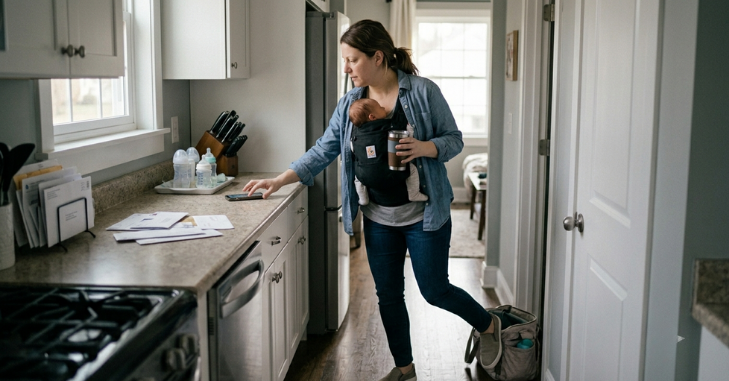
Baby spit-up, leaked breastmilk, and diaper mishaps are inevitable. Black, navy, charcoal, and busy patterns hide stains much better than whites and pastels.
Choose Machine-Washable Fabrics
Check the care labels. If an item requires hand-washing or dry cleaning, pass on it. You need clothes that can survive frequent, hot laundry cycles.
Conclusion
The fourth trimester is a sacred, demanding window of time meant for deep healing, sweet bonding, and giving your body the grace it deserves. It took nine months to grow a miracle, and your body deserves a gentle, supportive runway as it recovers.
Investing in a few high-quality, ultra-soft postpartum clothing pieces isn’t a luxury; it is a practical necessity that directly impacts your mental well-being and daily physical comfort. By thoughtfully choosing pieces with soft waistbands, moisture-wicking fabrics, and frictionless nursing access, you take control of your comfort during an otherwise unpredictable time.
Remember that your worth is not tied to how quickly you bounce back into your old clothes. Give yourself permission to live in cozy, functional postpartum clothes, and focus your precious energy entirely on resting, recovering, and enjoying every single moment with your new little one.
Want to know about Best Hair Clippers for Men: Top-Rated Grooming Tools for Professional Cuts, Sharp Fades, and Barber-Quality Results at Home Check out our Fashion category.
Frequently Asked Questions (FAQs)
Cotton and bamboo fabrics are the best because they are soft, breathable, and gentle on sensitive skin. They help keep new moms comfortable during recovery.
Around 5–7 comfortable and mix-and-match outfits are usually enough for the first few weeks after delivery. Focus on practicality rather than quantity.
Yes, postpartum clothes are designed for recovery and breastfeeding, while maternity clothes are made for pregnancy comfort and belly support.
You can, but most regular clothes may feel tight or uncomfortable. Postpartum clothes are better suited for healing and daily comfort.
It is best to prepare them during the third trimester, so you have everything ready before delivery. This reduces stress after the baby arrives.