

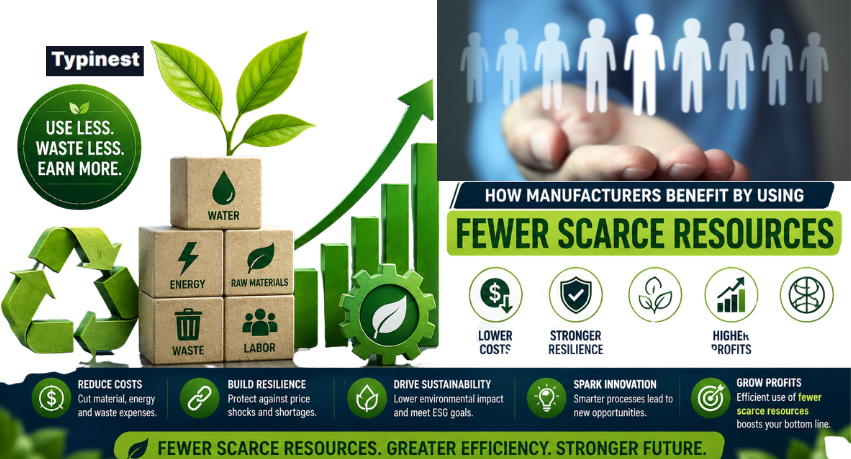
What if the key to unlocking your manufacturing company’s biggest profits wasn’t launching a new product or expanding into a new market, but simply using less of what you already have? It may sound surprising, but many of the world’s most successful manufacturers have discovered that reducing dependence on fewer scarce resources can significantly improve profitability and operational performance.
As raw material costs rise, energy prices fluctuate, and global supply chains face increasing disruptions, businesses are under growing pressure to do more with less. Companies that optimize resource use are often better positioned to control costs, maintain production, and stay competitive.
The concept of using fewer scarce resources goes beyond cutting waste. It involves improving efficiency, reducing unnecessary consumption, adopting smarter technologies, and maximizing the value of every resource used in production. These improvements can lead to lower operating expenses, stronger supply chain resilience, enhanced sustainability, and increased customer trust.
In this article, we’ll explore exactly how a manufacturer benefits by using fewer scarce resources, from reducing costs and increasing profits to strengthening supply chains and unlocking new business opportunities. You’ll also discover practical strategies, real-world examples, and actionable insights that manufacturers can apply to achieve long-term success.
Benefits of Using Fewer Scarce Resources in Manufacturing
| Aspect | Benefit |
|---|---|
| Cost Reduction | Lowers spending on raw materials and energy |
| Waste Management | Reduces production waste and disposal costs |
| Profit Margins | Increases overall profitability |
| Resource Efficiency | Maximizes output with fewer inputs |
| Supply Chain Stability | Less dependence on scarce materials |
| Risk Management | Reduces exposure to shortages and disruptions |
| Energy Consumption | Decreases utility and fuel expenses |
| Water Usage | Conserves water and lowers operating costs |
| Sustainability | Supports environmental goals |
| Carbon Footprint | Reduces greenhouse gas emissions |
| Regulatory Compliance | Helps meet environmental regulations |
| Brand Reputation | Improves public image and customer trust |
| Customer Appeal | Attracts environmentally conscious buyers |
| Market Competitiveness | Enables better pricing strategies |
| Innovation | Encourages the development of efficient processes |
| Product Quality | Improves consistency through optimized production |
| Inventory Control | Reduces excess material stockpiling |
| Operational Efficiency | Streamlines manufacturing workflows |
| Employee Engagement | Promotes a culture of continuous improvement |
| Investment Opportunities | Attracts ESG-focused investors |
| Long-Term Growth | Supports sustainable business expansion |
| Resource Availability | Preserves materials for future use |
| Crisis Preparedness | Strengthens resilience during market disruptions |
| Competitive Advantage | Differentiates the company from competitors |
| Future-Proofing | Prepares the business for changing market conditions |
Why Are Scarce Resources a Manufacturer’s Biggest Hidden Cost?
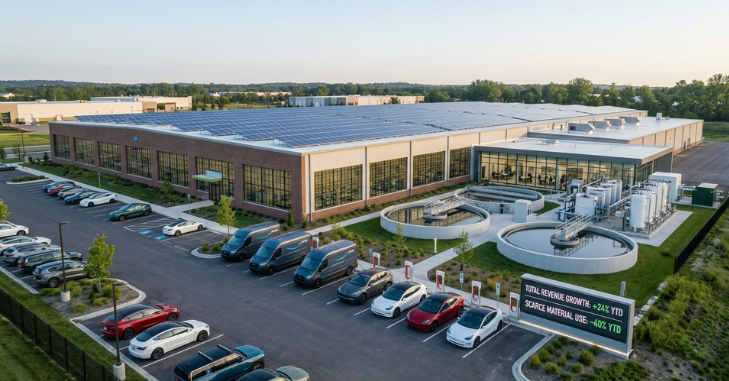
Every manufacturer depends on resources: raw materials, water, energy, and land. But when those resources are scarce, prices spike, supply chains break down, and margins shrink quickly. The global manufacturing sector consumes roughly 54% of the world’s energy and generates significant waste that costs money twice: once to buy materials and again to dispose of it.
Why Does Using Fewer Scarce Resources Matter?
Resource efficiency is no longer just an environmental initiative. It has become a business strategy. By minimizing waste and maximizing output, manufacturers can produce more products with fewer inputs. This creates immediate financial benefits while supporting long-term sustainability goals.
The Core Benefits: How Using Fewer Scarce Resources Drives Growth?
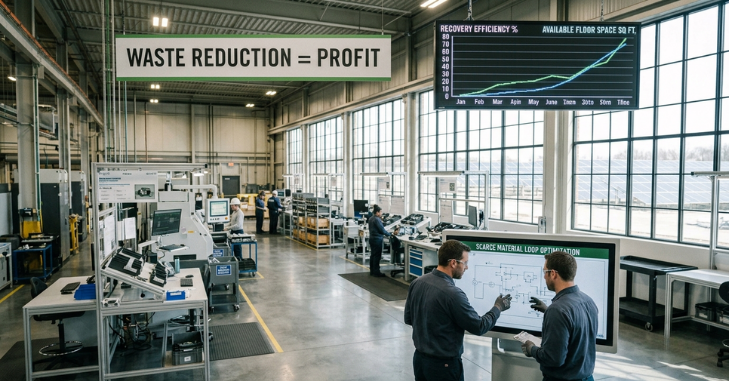
Dramatic Cost Savings Across the Supply Chain
The most immediate benefit? Lower costs, and they compound quickly. When manufacturers reduce reliance on scarce inputs, they spend less on:
- Raw material procurement (especially volatile commodities like copper, lithium, or rare earth metals)
- Energy consumption (electricity and fuel often rank in the top 3 operational costs)
- Waste management and disposal fees
- Regulatory compliance penalties for overuse or pollution
Pro Tip: Start with an energy audit. Most manufacturers discover 15–25% of energy use is pure waste: lights running in empty areas, machines left idle, inefficient HVAC systems. Fixing these requires zero new technology.
Stronger, More Resilient Supply Chains
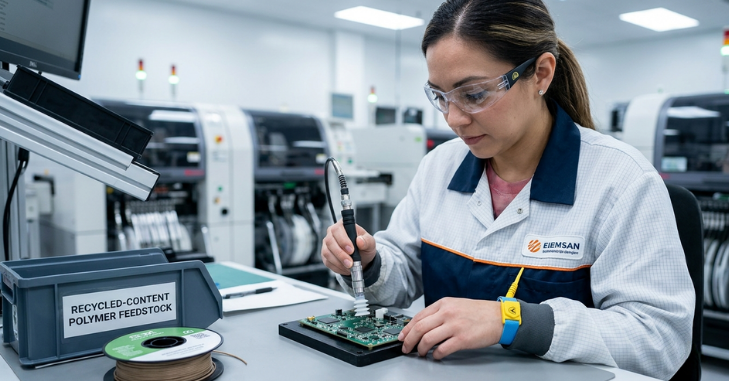
Using fewer scarce resources does more than cut costs; it strengthens business resilience. Manufacturers become less vulnerable to rising material prices, supplier disruptions, and resource shortages while gaining greater flexibility within their supply chains.
By relying on resources, companies can better manage market uncertainties, maintain stable production, and stay competitive even when competitors face operational challenges. This proactive approach helps businesses build a stronger foundation for long-term growth and sustainability.
Competitive Advantage Through Lean Manufacturing
Lean manufacturing isn’t just about speed; it’s about doing more with less. The 5 Lean Principles Applied to Resource Efficiency:
- Define Value: Identify which parts of your process add value to customers.
- Map the Value Stream: Find every step that consumes resources without adding value.
- Create Flow: Eliminate bottlenecks that cause overproduction and excess material use.
- Establish Pull: Produce only what’s needed, when it’s needed.
- Pursue Perfection: Continuously reduce waste through iteration.
Companies like Toyota pioneered this approach and cut material waste by over 40% while increasing output quality.
Premium Pricing and New Market Access
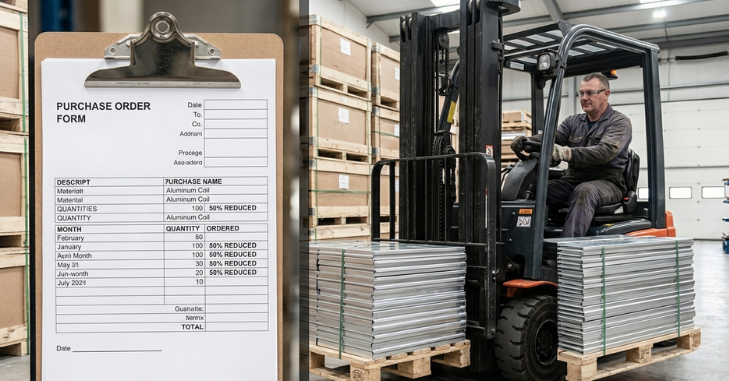
Consumers and B2B buyers increasingly pay a premium for sustainably produced goods. This is no longer a niche; it’s mainstream.
| Market Segment | Willingness to Pay Premium for Sustainable Products |
| Gen Z Consumers | Up to 73% |
| Millennial Consumers | Up to 66% |
| B2B Corporate Buyers | Up to 55% |
| Government Procurement | Regulatory preference in 80+ countries |
Best Choice: If you serve both B2C and B2B markets, resource efficiency gives you a dual advantage: appealing to eco-conscious end consumers and meeting the sustainability sourcing requirements of major corporate clients.
Regulatory Compliance and Avoiding Future Risk
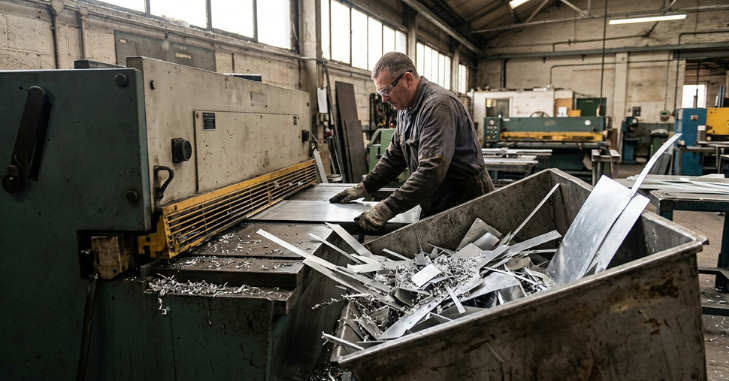
Global governments are tightening environmental regulations at an accelerating pace. Manufacturers who proactively reduce resource consumption:
- Avoid costly retroactive retrofits.
- Stay ahead of compliance requirements.
- Qualify for green tax incentives and grants.
- Reduce exposure to carbon pricing mechanisms.
Getting ahead of regulation is always cheaper than reacting to it.
Key Takeaways: Benefits briefly
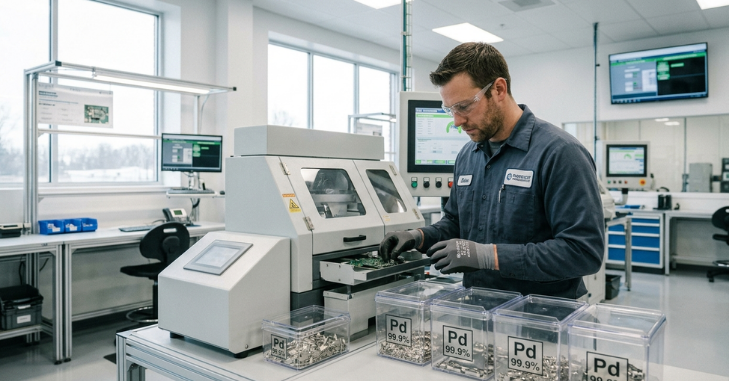
Using fewer scarce resources helps manufacturers cut costs, strengthen supply chains, improve sustainability, and stay compliant with regulations. It also encourages innovation, creating new opportunities for growth, efficiency, and long-term profitability.
Companies that prioritize resource efficiency are often better prepared to handle market fluctuations and rising material costs. Over time, these improvements can lead to a stronger competitive advantage, enhanced brand reputation, and more sustainable business growth.
Real World Examples: Manufacturers Who Got It Right?
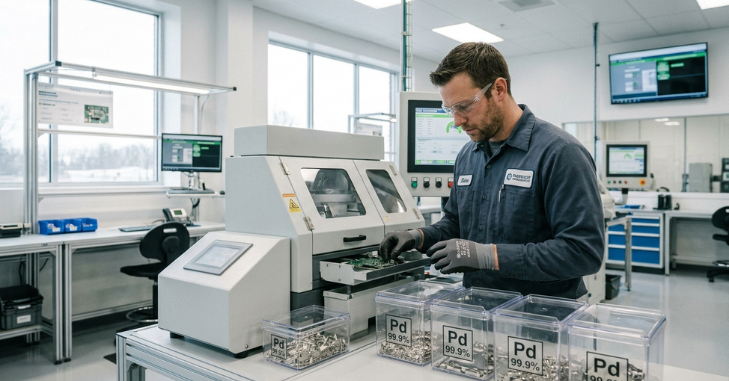
Interface Inc: Carpet Manufacturer
Interface sets a “Mission Zero” goal to eliminate its environmental footprint. The result? They saved $450 million in waste-elimination costs between 1996 and 2010 while growing revenue. Resource reduction became their biggest driver of profit.
3 M’s Pollution Prevention Pays Program
Since 1975, 3 M’s internal P3 program has saved the company over $2.2 billion by reducing waste at the source before it becomes a problem. Not after. Before.
Unilever’s Sustainable Living Plan
Unilever reduced water usage per unit by 37% and CO₂ per tonne by 43%. Their sustainable brands grew 69% faster than the rest of the business.
Pro Tip: These aren’t billion-dollar-budget transformations. Each started with a simple audit, a clear goal, and a commitment to measuring progress quarterly.
How to Start? A Step-by-Step Resource Reduction Roadmap
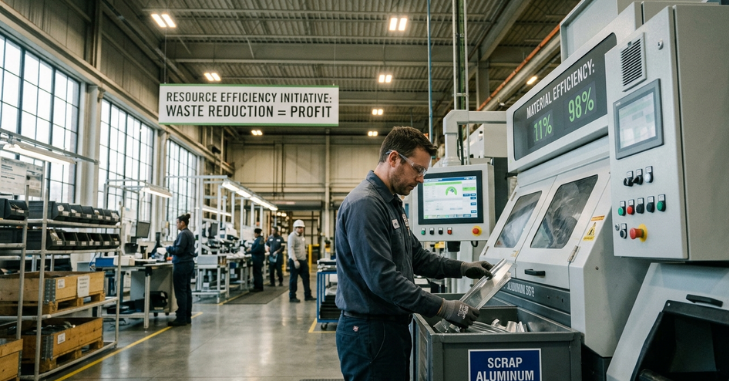
- Audit current resource usage: Measure energy, water, raw material, and waste outputs by department.
- Identify your top 3 waste streams: Focus on volume AND cost impact.
- Set measurable reduction targets: Use benchmarks like industry averages or ISO standards.
- Implement quick wins first: LED lighting, sensor-controlled systems, recycling programs.
- Redesign high-waste processes: Re-engineer manufacturing steps that generate the most scrap.
- Explore circular economy models: Can your waste become someone else’s input material?
- Report and communicate progress: Internally for accountability, externally for brand value.
Waste Reduction vs. Profit Growth: Are They Really Connected?
Some manufacturers still treat sustainability as a cost center. That mindset is outdated.
| Traditional View | Modern View |
| Waste reduction = extra cost | Waste reduction = cost recovery |
| Sustainability = PR exercise | Sustainability = market differentiator |
| Resource limits = constraint | Resource limits = innovation driver |
| Compliance = burden | Compliance = competitive moat |
| Efficiency = one-time project | Efficiency = ongoing profit engine |
The shift isn’t philosophical; it’s financial. When you stop paying for waste, those dollars go straight to your margin.
Conclusion
The question isn’t whether using fewer scarce resources benefits a manufacturer. The evidence is overwhelming that it does. From slashing operational costs and bulletproofing supply chains to unlocking premium markets and attracting ESG investment, resource efficiency is one of the highest-return strategies available to any manufacturer today.
The manufacturers winning in the next decade won’t just be the ones with the best products. They’ll be the ones who figure out how to build those products with the least waste and turn that discipline into a structural competitive advantage. Start small. Measure everything. Scale what works. The path from waste reduction to profit growth isn’t a trade-off. It’s a straight line.
Want to know about Best Agatha Christie Books: A Complete Reader’s Guide to Hercule Poirot, Miss Marple, and the Greatest Mystery Novels Ever Written Check out our Education category.
Frequently Asked Questions (FAQs)
Fewer scarce resources are limited inputs, such as raw materials, water, energy, labor, and production equipment that manufacturers need to produce goods.
Lower resource consumption reduces production costs while maintaining output, resulting in higher profit margins.
Yes. Even minor reductions in waste, energy use, or material consumption can generate significant savings for small businesses.
Lean manufacturing is a management approach focused on eliminating waste and maximizing value throughout the production process.
Absolutely. Using fewer scarce resources reduces environmental impact, lowers emissions, and conserves valuable natural assets.
Automation, artificial intelligence, predictive maintenance systems, smart sensors, and energy-efficient machinery can all improve resource efficiency.