
Picture a region where ancient gold empires once rivaled medieval Europe in wealth, where local music now dominates global charts, and where bustling megacities sit just hours from quiet desert towns and tropical rainforests. That’s Western Africa; a diverse and dynamic region that deserves far more attention than it often receives.
Many people know only pieces of its story, from jollof rice and Afrobeats to football and political headlines. Western Africa is home to 16 countries, over 450 million people, rich cultural traditions, historic kingdoms, diverse landscapes, and rapidly growing economies. Once the center of powerful empires like Ghana, Mali, and Songhai, the region remains influential through its culture, trade, innovation, and youthful population.
Whether you’re planning a trip, studying African geography, or simply curious about the region, this guide covers everything you need to know about Africa, including its countries, history, culture, geography, economy, travel, and essential facts.
Western Africa at a Glance
| Topic | Details |
| Overview | The Western region of Africa is known for culture and history. |
| Number of Countries | 16 countries. |
| Largest Population | Nigeria. |
| Island Nation | Cabo Verde. |
| Population | Over 450 million people. |
| Total Area | About 6 million km². |
| Climate | Tropical, savannah, and desert. |
| Longest River | Niger River. |
| Largest Economy | Nigeria. |
| Main Crops | Cocoa, coffee, rice, and cotton. |
| Cocoa Leaders | Côte d’Ivoire and Ghana. |
| Natural Resources | Oil, gold, diamonds, and bauxite. |
| Ancient Empires | Ghana, Mali, Songhai. |
| Historic City | Timbuktu. |
| Official Languages | English, French, Portuguese. |
| Local Languages | Hausa, Yoruba, Igbo, Wolof. |
| Popular Music | Afrobeat, Highlife, Mbalax. |
| Tourist Attractions | Beaches, parks, forts, and festivals. |
| Regional Organization | ECOWAS. |
| Key Industries | Agriculture, mining, oil, and tourism. |
| Wildlife | Elephants, lions, and chimpanzees. |
| Best Time to Visit | November to March. |
| Growing Sectors | FinTech, renewable energy, e-commerce. |
| Cultural Highlights | Festivals, dance, crafts, and cuisine. |
| Why It Matters | Rich culture and growing economy. |
What Is Western Africa?
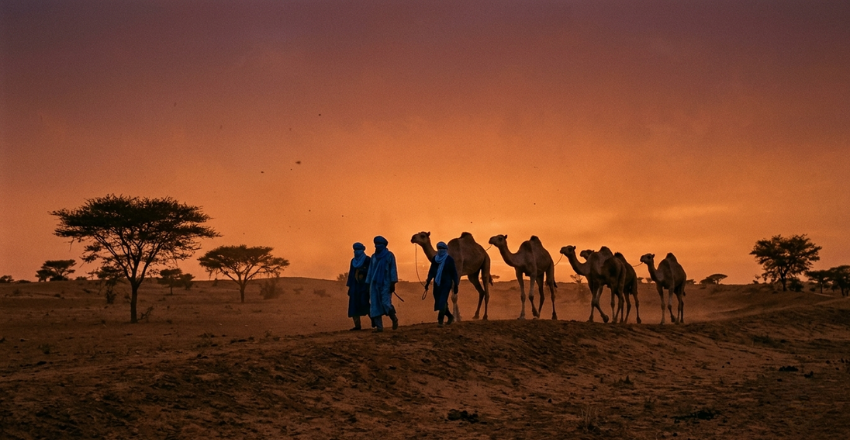
Western Africa is the westernmost region of the African continent, bordered by the Atlantic Ocean to the west and south, the Sahara Desert to the north, and Central Africa to the east. It covers roughly 5 million square kilometers and blends coastal, forest, savanna, and desert landscapes.
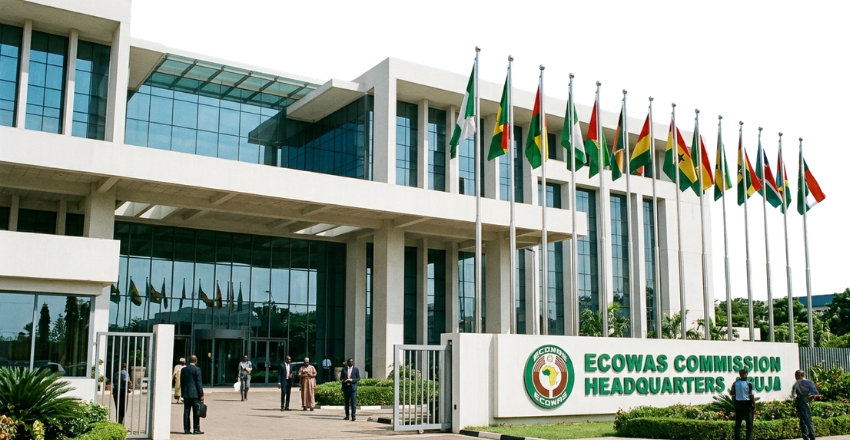
Most countries belong to the Economic Community of West African States (ECOWAS), a bloc formed in 1975 to boost regional trade and cooperation.
Interesting Facts about Western Africa
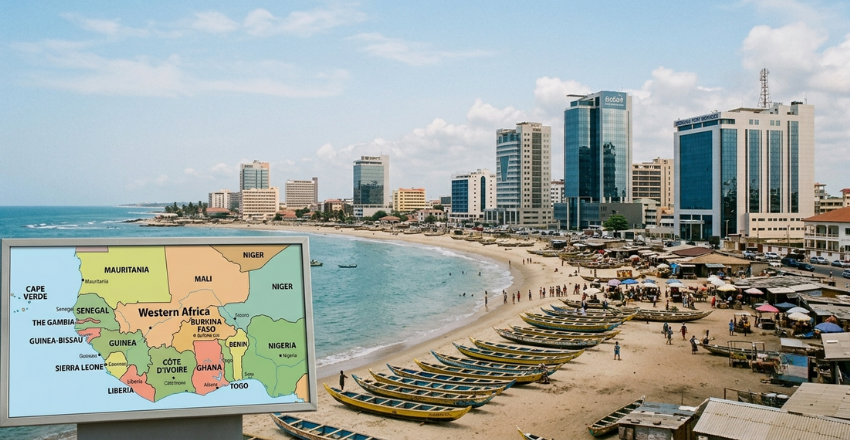
- Western Africa includes 16 countries and is home to over 400 million people.
- Nigeria is the region’s largest economy and most populous nation.
- The Mali and Songhai Empires made Africa one of history’s wealthiest regions.
- Afrobeats and Nollywood have turned the region into a global cultural export powerhouse.
- Mali, Burkina Faso, and Niger exited ECOWAS in 2025, reshaping regional politics.
- Côte d’Ivoire produces more cocoa than any other country on Earth.
- Travel here requires careful visas and health planning, since rules vary by country.
Countries in Western Africa Categorized by Official Language
English-Speaking Nations
- Nigeria: Abuja (Largest economy and population in the region)
- Ghana: Accra (First sub-Saharan nation to gain independence, 1957)
- Sierra Leone: Freetown (Known for diamonds and economic recovery)
- Liberia: Monrovia (Africa’s oldest republic, founded 1847)
- The Gambia: Banjul (Africa’s smallest mainland nation)
French-Speaking Nations
- Senegal: Dakar (Home to historic Gorée Island)
- Mali: Bamako (Site of the ancient Mali Empire and Timbuktu)
- Burkina Faso: Ouagadougou (Landlocked, agriculture-dependent economy)
- Niger: Niamey (Largest country in the region by land area)
- Guinea: Conakry (Rich in bauxite and mineral resources)
- Benin: Porto-Novo (Birthplace of the Vodun religion)
- Togo: Lomé (Small coastal trade economy)
- Côte d’Ivoire: Yamoussoukro (World’s largest cocoa producer)
Portuguese and Arabic-Speaking Nations
- Guinea-Bissau (Portuguese): Bissau (Smallest mainland country)
- Cabo Verde (Portuguese): Praia (Island nation known for tourism and music)
- Mauritania (Arabic): Nouakchott (Geographically bridges the region with North Africa)
Mali, Burkina Faso, and Niger formally left ECOWAS in 2025 after forming the Alliance of Sahel States. This shift has changed travel rules and trade routes, so it’s worth noting for current research.
A Brief History
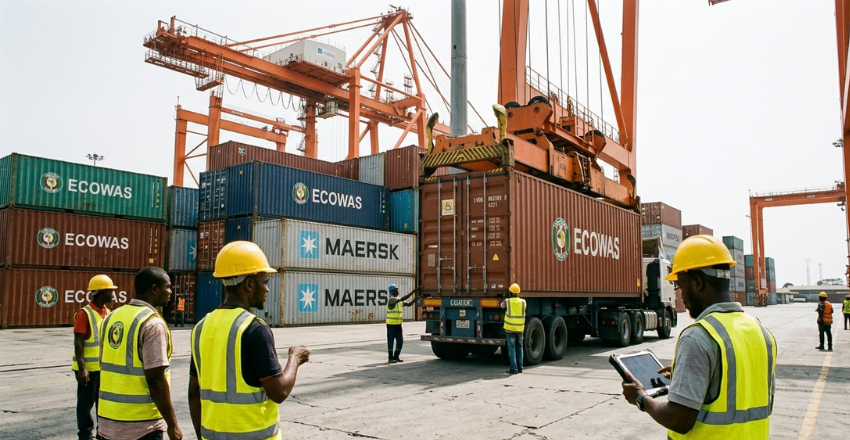
The region’s history stretches back thousands of years, long before European contact reshaped its path.
Ancient Empires
Western Africa was home to some of the wealthiest civilizations in world history:
- The Ghana Empire controlled the trans-Saharan gold and salt trade from around the 4th century.
- The Mali Empire rose in the 13th century under Mansa Musa, often called the richest individual ever recorded. His 1324 pilgrimage to Mecca reportedly carried so much gold it temporarily devalued currency along his route.
- The Songhai Empire followed, centered on Timbuktu, a major hub of Islamic scholarship and trade.
Colonization and Independence
Starting in the 15th century, European powers- Portugal, Britain, France, and others- built coastal trading posts. This era brought the transatlantic slave trade, which forcibly displaced millions and left lasting scars on the region.
By the late 1800s, most of Africa was under colonial rule. Independence came between 1957 and 1975, with Ghana in 1957 and Nigeria in 1960. Since then, the region has seen both democratic progress and political instability, including coups and conflicts.
Culture: Languages, Religion, and Daily Life
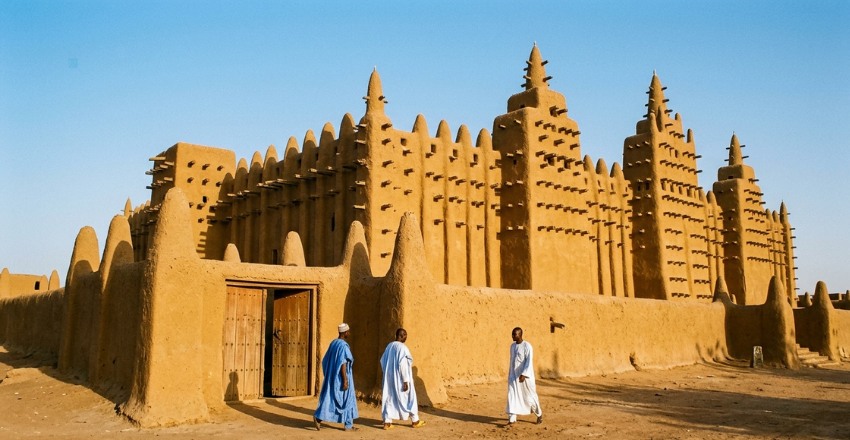
Western Africa’s cultural diversity is remarkable, with hundreds of ethnic groups often coexisting within a single country.
Languages: Major indigenous languages include Hausa, Yoruba, Igbo, Wolof, Fula, and Akan. Official languages: English, French, or Portuguese reflect colonial history, dividing the region into Anglophone, Francophone, and Lusophone zones.
Religion: Islam dominates the Sahel (Mali, Niger, Senegal, northern Nigeria), while Christianity is widespread along the coast (Ghana, southern Nigeria). Traditional beliefs like Vodun, which originated in Benin, remain influential and often blend with both.
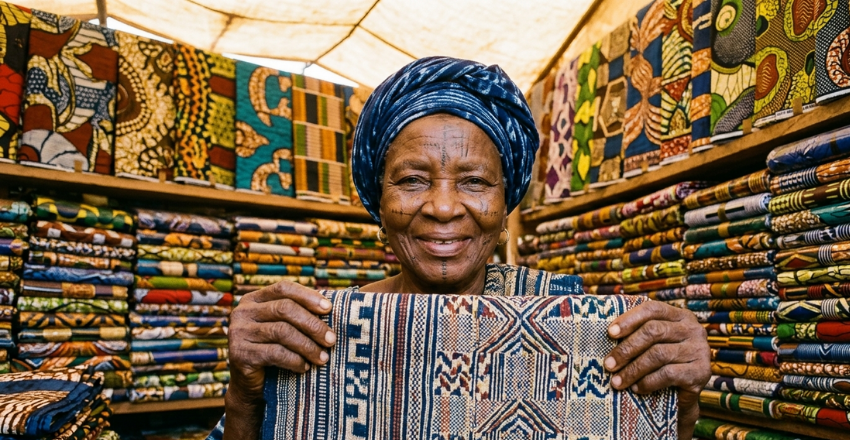
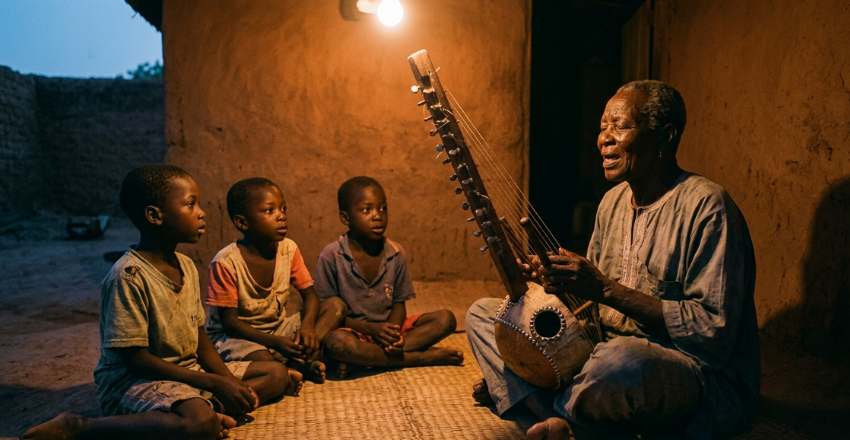
Music and Food: The griot tradition- oral historians who pass down stories through song- is still respected in Mali, Senegal, and Guinea. Afrobeats artists like Burna Boy, Wizkid, and Davido now top global streaming charts. Staple foods include jollof rice, fufu, egusi soup, suya, and waakye, built around yams, cassava, rice, and palm oil.
Geography and Climate
Western Africa splits into three main zones
- The Sahel: a semi-arid belt across Mali, Niger, Burkina Faso, Senegal, and Mauritania, increasingly affected by desertification.
- Savanna and Grasslands: south of the Sahel, supporting much of the region’s farming and livestock.
- Coastal and Forest Zone: running along the Gulf of Guinea through Nigeria, Ghana, Côte d’Ivoire, Liberia, and Sierra Leone, supporting rainforests and cash crops like cocoa.
The Niger River flows through Guinea, Mali, Niger, Benin, and Nigeria, supporting millions through fishing, farming, and transport.
Economy: Growth, Challenges, and Opportunity
| Sector | Leading Countries | Why It Matters |
| Oil and Gas | Nigeria | Major export revenue source |
| Cocoa | Côte d’Ivoire, Ghana | Supplies much of the global chocolate industry |
| Gold and Minerals | Ghana, Guinea, Mali | Key foreign exchange earner |
| Tech and Fintech | Nigeria, Ghana, Senegal | Fast-growing startup ecosystems |
| Entertainment | Nigeria | Afrobeats and Nollywood are major exports |
Challenges include high youth unemployment, currency instability outside the CFA franc zone, heavy reliance on commodity exports, and infrastructure gaps in rural areas. Bright spots include rapid adoption of fintech and mobile banking, growing solar energy investment, and a young, digitally engaged population driving innovation.
Traveling to Western Africa in 2026
Before You Go
- Confirm visa requirements for your nationality and destination.
- Check yellow fever vaccination requirements, common across the region.
- Review current travel advisories, especially for Sahel countries.
- Note that Mali, Burkina Faso, and Niger now require separate visa arrangements following their exit from ECOWAS.
Popular Destinations
- Ghana: welcoming culture and the ongoing “Year of Return” diaspora initiatives.
- Senegal: vibrant Dakar and historic Goree Island.
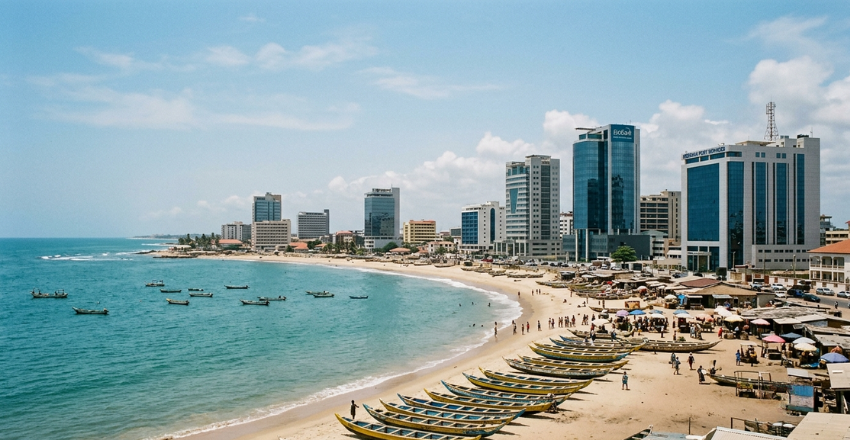
- Cabo Verde: island beaches, music, and a relaxed pace of life.
Pros and Cons of Visiting
| Pros | Cons |
| Rich, authentic cultural experiences | Visa rules vary and change often |
| Vibrant music, food, and festivals | Limited tourist infrastructure in some areas |
| Warm, welcoming communities | Vaccines often required |
| Affordable compared to Western destinations | Security varies by country |
| Stunning, diverse landscapes | Cross-border travel can be complex |
Final Thoughts
Western Africa is much more than a region on a map; it’s a land of ancient kingdoms, rich cultures, diverse landscapes, and fast-growing economies. From historic trade empires to today’s thriving music, film, and technology industries, the region continues to shape Africa and influence the world.
Whether you’re planning a trip, studying geography, or exploring its history, Western Africa offers unforgettable experiences. Its vibrant festivals, delicious cuisine, welcoming communities, breathtaking natural attractions, and fascinating heritage make it one of Africa’s most rewarding regions to discover.
As Africa continues to grow through innovation, education, and regional cooperation, its global significance is becoming even stronger. By learning about its countries, culture, geography, and economy, you’ll gain a deeper appreciation for one of the world’s most dynamic and inspiring regions.
Want to know about Best Countries to Live In: 18 Top Places Ranked for Quality of Life, Safety, Healthcare, and Cost of Living Check out our Travel category.
Frequently Asked Questions (FAQs)
There are 16 countries, ranging from large nations like Nigeria to smaller ones like The Gambia and Guinea-Bissau.
Nigeria has the largest economy overall, though Cabo Verde and Ghana often rank higher in income per capita.
Safety varies by country. Coastal nations like Ghana, Senegal, and Cabo Verde are generally more tourist-friendly, while parts of the Sahel require extra caution.
English, French, and Portuguese serve as official languages, while Hausa, Yoruba, and Wolof are among the most widely spoken indigenous languages.
They formed the Alliance of Sahel States and exited in 2025, citing disagreements over regional governance and sovereignty.
Ancient empires like Mali and Songhai, Afrobeats music, Nollywood films, cocoa production, and deep cultural diversity.