

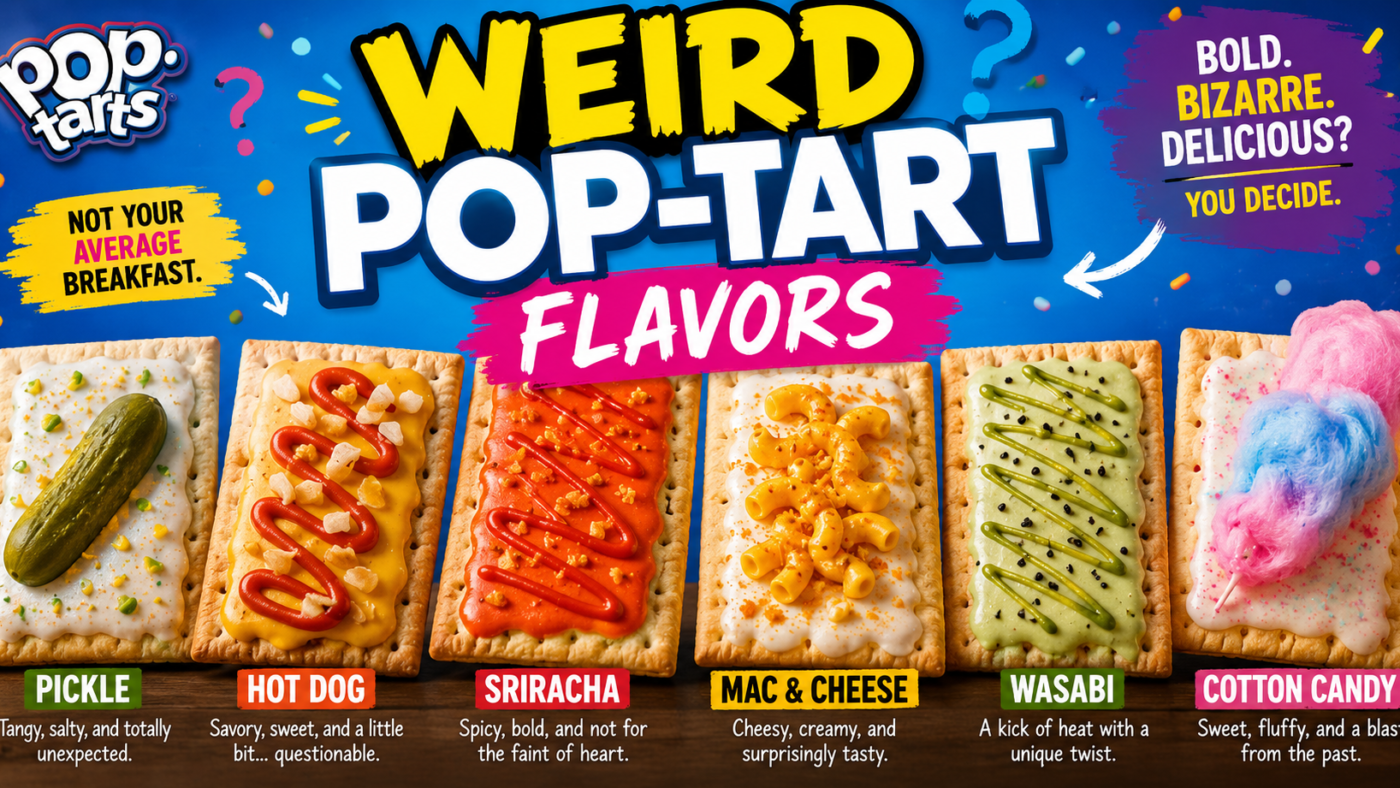
Pop-Tarts have transformed from a simple breakfast snack into a bold canvas for creativity, innovation, and experimentation in the food industry. Over the years, they have expanded far beyond their original sweet staples to include a wide variety of unexpected, unconventional options that pique consumer curiosity.
The rise of weird Pop-Tart flavors reflects a growing trend in which brands push boundaries to stay relevant and exciting in a competitive market. From dessert-inspired indulgences to surprising savory attempts, these unique flavors showcase how Pop-Tarts continue to evolve with changing tastes and cultural influences.
This experimentation not only keeps longtime fans engaged but also attracts new audiences eager to try something different. Ultimately, the world of Weird Pop Tart Flavors highlights how even the most familiar snacks can be reinvented into something adventurous, memorable, and culturally significant.
| Section | Key Points |
| Introduction | Pop-Tarts evolved into creative and experimental snacks. |
| Sweet vs. Savory | Sweet dominates; savory is experimental and mixed in reception. |
| Sweet Appeal | Familiar, dessert-like, comforting flavors. |
| Savory Experiments | Unusual ideas that challenge expectations. |
| Flavor Creation | Based on trends, testing, and innovation. |
| Consumer Testing | Feedback refines final products. |
| Branding & Packaging | Eye-catching design drives curiosity. |
| Limited Editions | Short-term releases create excitement. |
| Social Media Role | Boosts awareness through viral reactions. |
| Psychology | Curiosity and novelty attract consumers. |
| Social Experience | Sharing reactions enhances engagement. |
| Success Factors | Balance of familiar and new flavors. |
| Failures | Too unusual or poor flavor fit. |
| Cultural Influence | Trends and global foods inspire ideas. |
| Innovation Impact | Keeps brand fresh and competitive. |
| Conclusion | Weird flavors drive creativity and interest. |
Weird Pop-Tart Flavors
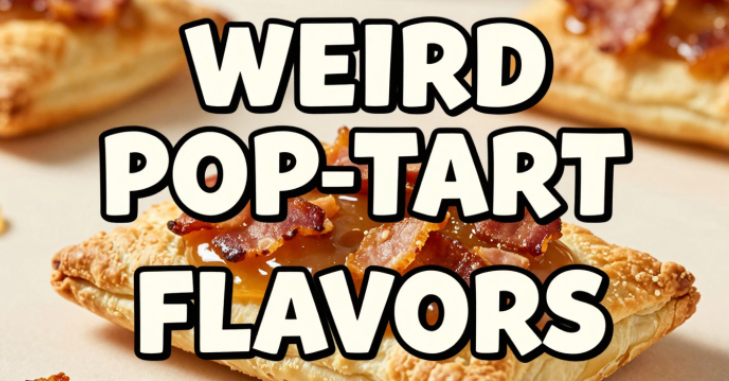
Pop-Tarts have long been a staple snack, beloved for their convenience, sweetness, and nostalgic value. Since their introduction in the 1960s, they have evolved far beyond simple strawberry and brown sugar cinnamon flavors.
Today, weird Pop-Tart flavors are a playground for culinary creativity, where bold, experimental, and sometimes downright bizarre flavors take center stage. From dessert-inspired varieties to savory offerings, the brand has pushed boundaries that intrigue, delight, and occasionally confuse consumers.
Sweet vs. Savory Pop-Tart Experiments
Traditional Appeal of Sweet Pop-Tarts
Pop-Tarts are traditionally known for their sweet fillings and sugary frosting. Flavors like strawberry, blueberry, and chocolate fudge dominate the market because they align with consumer expectations of a dessert-like snack. However, the concept of savory Pop-Tarts has intrigued both manufacturers and consumers, leading to several experimental releases over the years.
Comfort and Indulgence in Sweet Flavors
Sweet Pop-Tarts are designed to provide comfort and indulgence. They often mimic popular desserts such as s’mores, cookies-and-cream, and hot-fudge sundaes. These flavors succeed because they tap into familiar taste profiles while offering convenience. The sweetness is often balanced with texture, such as a crisp pastry shell and creamy filling.
The Rise of Savory Pop-Tart Experiments
Savory Pop-Tarts, on the other hand, attempt to break away from this tradition. Flavors like chicken and waffles, maple bacon, or even pizza-inspired fillings have been introduced in limited trials. While these ideas sound exciting, they often face mixed reactions.
Consumers who associate Pop-Tarts with sweetness may find savory versions unusual or even unappealing. However, these experiments demonstrate the brand’s willingness to innovate and challenge norms.
Blending Sweet and Savory Trends in the Food Industry
The contrast between sweet and savory highlights a broader trend in the food industry: the blending of flavor categories. While sweet Pop-Tarts remain dominant, savory versions serve as a bold experiment that keeps the brand culturally relevant.
How Weird Flavors Are Created?
- The creation of unusual Pop-Tarts flavors is a strategic process involving food scientists, marketers, and consumer insights.
- The process begins with trend analysis, where companies study food trends, social media, and popular dishes for inspiration.
- Viral desserts or trending foods often influence the development of new flavors.
- In the formulation stage, food scientists experiment with ingredients to recreate the desired taste.
- This stage is complex because flavors must remain stable during production and shelf life.
- Achieving the right balance of sweetness, texture, and aroma requires multiple trials.
- Consumer testing is essential, where small groups taste prototypes and provide feedback.
- Feedback helps refine flavors before they are launched in the market.
- Some unusual flavors are intentionally created to spark curiosity and conversation.
- Packaging and branding play a key role in attracting consumers.
- Bright designs and creative names help products stand out on shelves.
- The flavor’s uniqueness is often used as a marketing strategy to encourage trial.
Limited Edition and Experimental Flavors
One of the most exciting aspects of Pop-Tarts is their limited-edition releases. These flavors are often seasonal, promotional, or tied to special events. Because they are available for a short time, they create a sense of urgency and exclusivity that appeals to consumers.
Limited-edition Pop-Tarts often include some of the most unusual and creative flavors. Examples have included pumpkin pie for autumn, red velvet cupcake, and even collaborations inspired by popular culture. These flavors allow the brand to experiment without the risk of long-term commitment. If a flavor performs well, it may return; if not, it becomes a memorable part of Pop-Tart history.
Experimental flavors also benefit from social media exposure. People love sharing their reactions to trying something unusual, whether they enjoy it or not. This word-of-mouth marketing helps generate buzz and keeps the brand relevant among younger audiences. In many ways, limited-edition flavors act as both a product and a marketing tool.
The Psychology Behind Weird Flavors
Curiosity and the Appeal of Novelty
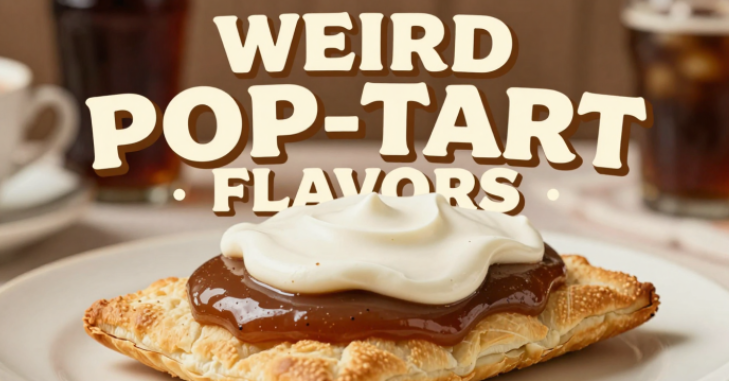
The appeal of strange Pop-Tart flavors stems from human psychology. People are naturally curious and often drawn to novelty. Trying a weird flavor provides a sense of adventure and excitement, even in something as simple as a snack.
Emotional Connections and Sensory Experiences
Additionally, unusual flavors can evoke strong emotional responses. They may evoke childhood memories, cultural foods, or unique experiences. Even if the flavor is not particularly enjoyable, the experience of trying it can be memorable and fun.
Social Interaction and Shared Experiences
There is also a social aspect to experimenting with weird foods. Sharing reactions with friends or online communities creates a sense of connection and entertainment. In this way, weird Pop-Tart flavors become more than just a snack; they become a shared experience.
Successes and Failures in Flavor Innovation
- Not all experimental Pop-Tart flavors are successful; some become popular, while others are quickly forgotten.
- Successful flavors usually strike a balance between familiarity and novelty to appeal to a wide audience.
- Variations of well-known desserts often perform well because they feel both new and recognizable.
- Failures often occur when flavors are too unconventional or do not suit the pastry format.
- Savory flavors can be especially challenging because they may not match consumer expectations.
- Even unsuccessful flavors provide valuable insights for future product development.
- The brand’s willingness to take risks helps keep it innovative and dynamic.
- Continuous experimentation allows Pop-Tarts to remain relevant in a competitive snack market.
The Role of Culture and Trends
Food trends play a significant role in shaping weird Pop-Tart flavors. Cultural influences, seasonal preferences, and global cuisines all contribute to the development of new ideas. For example, the rise of fusion cuisine has inspired combinations of sweet and savory elements, while the popularity of certain desserts has led to their adaptation into Pop-Tart form.
Social media platforms have accelerated this process by allowing trends to spread rapidly. A viral food trend can quickly become inspiration for a new product. This responsiveness to cultural shifts helps keep Pop-Tarts fresh and exciting.
Why Weird Pop-Tarts Matter?
- At first glance, unusual Pop-Tarts flavors may seem like a gimmick. However, they play an important role in the brand’s identity and success. They demonstrate creativity, encourage experimentation, and keep consumers engaged.
- Weird flavors also reflect broader changes in consumer behavior. Today’s consumers are more open to trying new and unconventional foods. They seek experiences rather than just products, and weird Pop-Tarts provide exactly that.
- Moreover, these experiments contribute to the evolution of the snack industry. By pushing boundaries, Pop-Tarts inspires other brands to innovate and explore new possibilities.
Conclusion
The world of weird Pop-Tart flavors is a testament to the power of creativity and innovation in the food industry. From the comforting sweetness of classic varieties to the bold experimentation of savory and unusual options, Pop-Tarts continue to surprise and delight consumers.
The process of creating these flavors involves careful research, experimentation, and marketing, ensuring that each new release offers something unique. Limited-edition flavors and experimental releases keep the brand dynamic, while the psychology of curiosity and novelty drives consumer interest.
As food trends continue to evolve, Pop-Tarts will likely introduce even more unexpected flavors. Whether they succeed or fail, these experiments add excitement to the world of snacks and remind us that even a simple toaster pastry can be a canvas for creativity.
Want to know about What to Watch This Weekend: A Comprehensive Overview of the Best Movies, TV Shows, Streaming Releases, Hidden Gems, and More Info Check out our Daily Bites category.
FAQs
Pop-Tarts do not have an officially declared “rarest” flavor, but Maple Bacon and Banana Bread are widely considered among the hardest to find and most elusive.
Cleveland, Ohio, hit the world with the original Fab Four when we released our four original flavors: Strawberry, Blueberry, Brown Sugar Cinnamon & Apple-Currant. Since literally no one has ever seen a currant, we dropped that flavor. Years later, it came back as the fan-favorite Apple Pop-Tarts
While standard Pop-Tarts are all nutritional disasters, the Frosted Cookies & Creme flavor takes the crown as the most unhealthy. A standard two-pastry serving contains 38 grams of sugar (about 76% of your daily limit), 400 calories, and an ingredient list full of artificial colors, trans fats, and high fructose corn syrup.
The consensus among online snack reviewers and fans is that Strawberry and Brown Sugar Cinnamon are the best overall. If you are specifically looking for the low-carb, high-protein Legendary Foods Tasty Pastries (often referred to as protein “Pop-Tarts”), Chocolate Cake and Blueberry are also top fan favorites.