

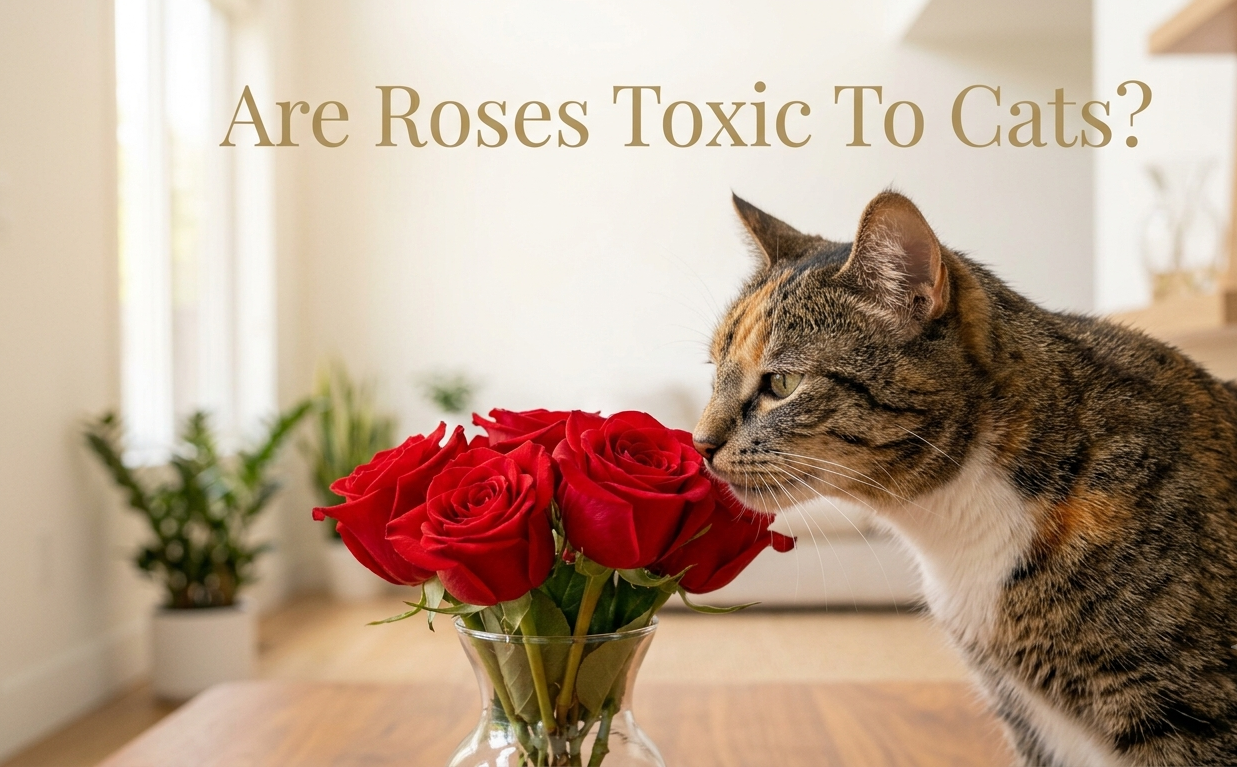
Cats often interact with household plants out of curiosity, making it important for owners to understand safety risks clearly, and the question are roses toxic to cats is frequently asked when people keep decorative flowers at home. This concern exists because roses are common in gardens and indoor spaces, and pet owners want to know if they can cause harm through chewing, sniffing, or accidental contact during play.
In most cases, roses are considered low-toxicity plants, but minor issues like mild stomach upset or irritation may still occur. The topic are roses toxic to cats is also widely discussed due to confusion between true poisoning and physical risks, such as thorns or temporary digestive discomfort during natural feline exploration behavior in home environments.
| Basics | Details |
| Cat safety | Low-toxicity nature |
| Plant type | Decorative garden flower |
| Cat interest | Curiosity and smell |
| Toxic compounds | Not highly present |
| Main risk | Thorn’s physical injury |
| Poison concern | Generally minimal effect |
| Eating behavior | Mild stomach upset |
| Digestive reaction | Vomiting or drooling |
| Behavioral cause | Exploration and play |
| Indoor exposure | Higher interaction chance |
| Misconception issue | Often wrongly feared |
| Clinical outcome | Usually self-recovery |
| Veterinary view | Supportive care only |
| Prevention method | Restrict plant access |
| Home safety | Careful plant placement |
| Emergency action | Vet visit if severe |
Are Roses Toxic To Cats? Understanding Feline Biology
Roses are ornamental flowering plants commonly kept in gardens and homes for fragrance and appearance. Cats interact with them out of curiosity, scent attraction, and instincts for environmental exploration. Their digestive system is sensitive to plant matter, but roses lack potent toxins that cause severe poisoning. Most concern comes from physical interaction rather than chemical toxicity.
Chemical Safety Profile Of Roses
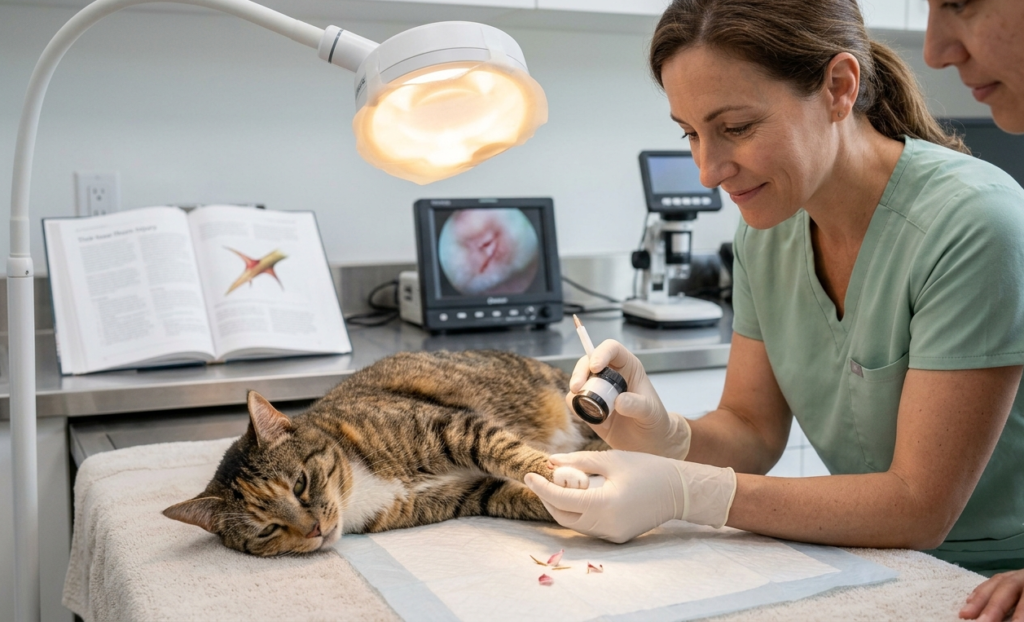
From a toxicological perspective, roses do not contain highly toxic compounds such as alkaloids or glycosides found in truly poisonous plants. This is why severe systemic poisoning is rare in cats. Are roses toxic to cats? This question is often asked because owners fear any plant exposure, but scientific understanding shows that roses are generally non-toxic, with only mild irritation possible if ingested or chewed in small amounts by accident.
Why Cats Interact With Rose Plants?
Cats interact with roses mainly due to behavioral and sensory triggers. Their keen sense of smell detects floral scents, while leaf movement triggers hunting instincts. Boredom, play behavior, or exploration drives chewing or rubbing. Younger cats and indoor cats show higher interaction rates because they seek stimulation. This behavior is instinctive rather than nutritional, meaning dietary needs do not drive it.
Physical Risks From Thorns And Stems
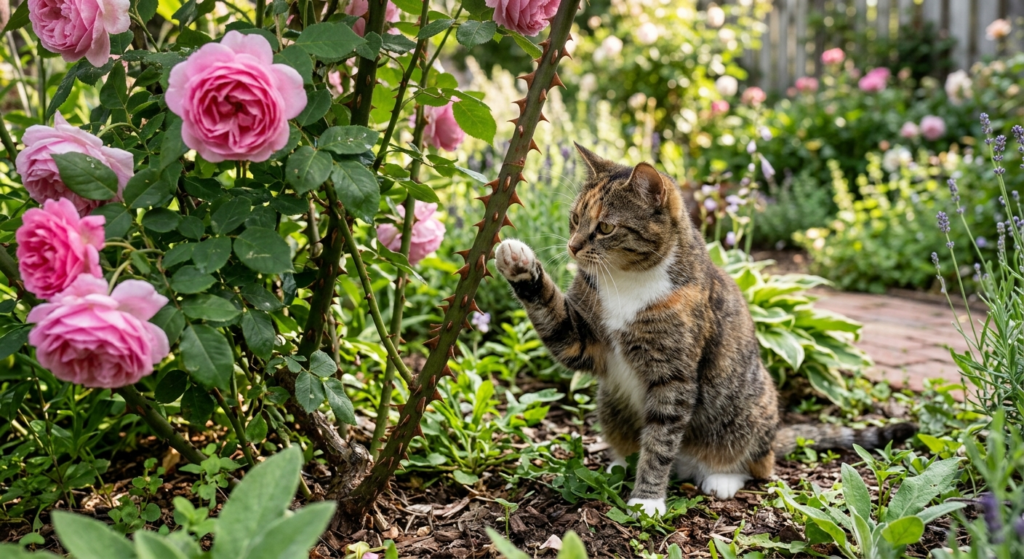
The most significant danger from roses is not toxicity but mechanical injury. Thorns can puncture skin, causing small wounds, inflammation, or infection if untreated. Cats brushing against rose bushes may suffer scratches on their paws, nose, or face. These injuries can become painful if bacteria enter the wound. Therefore, environmental placement of rose plants is more critical than the risk of chemical poisoning in homes with pets.
Digestive Response After Ingestion
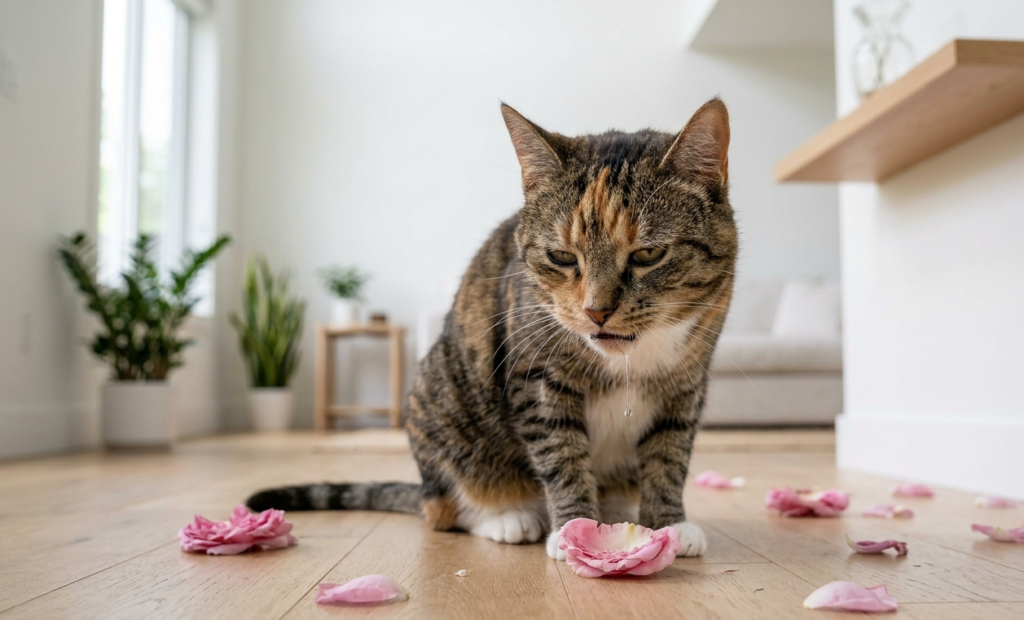
If a cat chews rose petals or leaves, the digestive system may react mildly due to plant fiber irritation. Symptoms can include drooling, vomiting, or temporary loss of appetite. These reactions occur because feline stomachs are not designed to efficiently process fibrous plant material. Are roses toxic to cats becomes a concern here, but most cases resolve without treatment unless large quantities are consumed.
Behavioral Reasons Behind Chewing Flowers
Cats may chew roses out of curiosity, teething, or attention-seeking. Some also explore textures as part of environmental learning. Stress or a lack of stimulation can increase plant chewing. This behavior is not related to nutrition but to sensory exploration. Understanding this helps owners manage environmental enrichment rather than assuming dietary deficiencies or a toxic attraction to flowers.
Environmental Exposure
Indoor roses in vases or pots increase accessibility for cats, especially in confined living spaces. While toxicity remains low, repeated exposure increases the chances of accidental ingestion or injury. Cats often jump onto tables or shelves, bringing them into direct contact with plants. Managing placement and supervision is essential to prevent unnecessary physical harm or mild gastrointestinal upset from repeated plant interactions.
Toxicity Misconception And Confusion

A major misunderstanding is that all ornamental flowers are poisonous to pets. In reality, roses are often misclassified due to general caution around plants. Are roses toxic to cats? This question is widely searched because pet owners want clear safety confirmation. Scientific veterinary sources confirm low toxicity, but confusion persists because physical injuries from thorns are sometimes mistaken for poisoning symptoms or severe toxic reactions.
Symptoms And Clinical Observation
- After rose exposure, symptoms are typically mild and short-lived.
- Veterinary observations report occasional vomiting, drooling, or mild oral irritation.
- Severe systemic illness is extremely rare.
- Monitoring behavior, appetite, and energy levels helps determine whether medical attention is needed.
- Most cats recover naturally without intervention, as the plant does not contain compounds that significantly affect organs or neurological function in healthy animals.
Veterinary Interpretation
Veterinarians assess rose exposure based on the amount ingested, symptom severity, and the presence of physical injury. Since toxicity is low, treatment usually focuses on supportive care rather than antidotes. are roses toxic to cats is clarified in clinical practice by emphasizing that risk is primarily mechanical rather than chemical. This helps owners prioritize wound care, hydration, and observation rather than panic-based emergency responses.
Prevention
Preventing access is the most effective safety measure. Placing roses in elevated or restricted areas reduces the risk of interaction. Training cats using redirection techniques and providing toys reduces boredom-driven plant chewing. Protective barriers around garden roses also help. Even low-risk plants should be managed carefully because repeated exposure increases the chances of injury,
Safe Plant Management In Homes
- Households with pets benefit from selecting non-toxic plants and arranging decor thoughtfully.
- While roses are generally safe, combining them with cat-friendly alternatives further reduces the risk.
- Are roses toxic to cats becomes less concerning when owners implement environmental planning, ensuring pets cannot easily reach stems or thorns.
- Balanced plant placement supports both aesthetic home design and animal safety simultaneously in shared living spaces.
Emergency Response Considerations
- If a cat experiences significant vomiting, bleeding from the mouth, injuries, or persistent discomfort after rose exposure, veterinary consultation is recommended.
- While poisoning is unlikely, complications from wounds or large ingestions require attention.
- Immediate observation of behavior changes is important.
- Early response ensures faster recovery and prevents secondary infections from thorn injuries or accidental ingestion of plant material.
Conclusion
In conclusion, understanding plant safety helps pet owners manage their home environment more effectively and responsibly. The concern are roses toxic to cats is common, but most evidence shows roses are low in toxicity and rarely cause serious poisoning.
However, minor issues such as stomach upset or thorn injuries can still occur. The question toxic to cats highlights the importance of supervision, prevention, and careful placement of plants to ensure cats remain safe, healthy, and comfortable in both indoor and outdoor spaces.
Apart from that, if you want to know more about Dog Wheezing: Comprehensive Veterinary Guide to Causes, Diagnosis, Treatment, and Long-Term Respiratory Care then visit our Pets category.
FAQs
Cats may experience mild stomach upset if they eat rose petals. Symptoms are usually temporary and include drooling, vomiting, or reduced appetite, resolving without serious medical treatment in most cases.
Roses are generally safe indoors, but there are physical risks, such as thorns and minor irritation. Proper placement and supervision help prevent accidental injury or unnecessary chewing by curious or playful cats.
Cats chew flowers due to curiosity, boredom, or sensory exploration. It is not related to nutrition. Providing toys and stimulation can reduce this behavior and effectively protect indoor plants.
After plant exposure, cats may show mild signs such as drooling, vomiting, or temporary discomfort. These symptoms are usually short-lived unless a large quantity is ingested or injury occurs.
Owners can prevent issues by placing plants out of reach, using barriers, and providing distractions. Training and environmental enrichment help reduce unwanted interaction with decorative plants inside homes.