

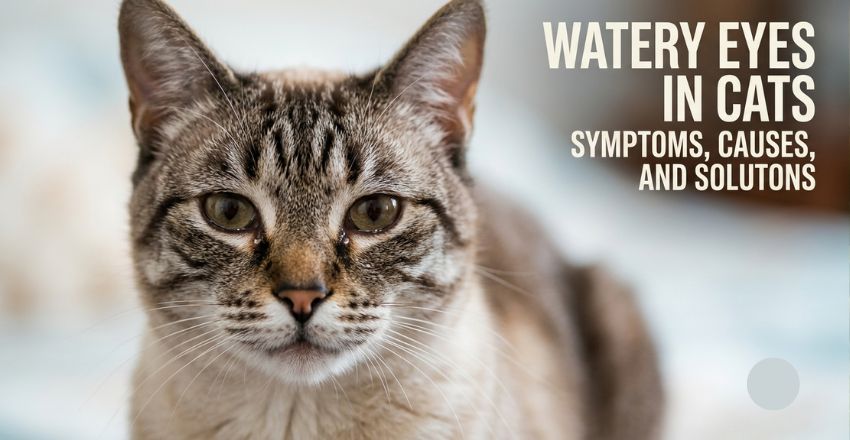
Watery eyes in cats are a common condition in which excess tear production or poor drainage causes visible moisture around the eyes. It may occur due to dust, cleaning chemicals, pollen, infections, blocked tear ducts, or dental problems affecting normal tear flow. In some cases, upper respiratory infections also contribute to irritation and watering.
Figures such as a 90%+ loss of tear drainage efficiency, a 4%–8% risk of severe cases, and increased sensitivity in flat-faced breeds highlight how common the issue can be. Watery eyes may also present with redness, discharge, or discomfort. Overall, watery eyes in cats require early attention to prevent worsening irritation and ensure proper eye health and comfort in daily life.
| Basics | Details |
| Condition overview | Excess tearing or poor drainage |
| Main symptom | Visible moisture around the cat’s eyes |
| Chemical exposure | Cleaning fumes irritate sensitive eyes. |
| Dust effects | Airborne particles trigger eye irritation. |
| Allergic reaction | Pollen causes excess tear production. |
| Tear blockage | Drainage ducts become partially obstructed. |
| Infection risk | Viral or bacterial eye inflammation |
| Respiratory link | Upper infections increase eye watering. |
| Injury causes | Scratches lead to tear response. |
| Foreign particles | Debris enters and irritates the eyes. |
| Dental connection | Upper jaw infections affect drainage. |
| Diagnostic steps | Vet checks eyes and tear flow. |
| Lab testing | Samples identify infection or disease. |
| Breed factors | Flat faces reduce tear drainage. |
| Treatment methods | Medication and cleaning reduce symptoms. |
| Prevention care | Hygiene and vet checks are essential. |
Watery Eyes In Cats: Top Reasons Behind
Watery eyes in cats occur when excessive tear production or poor tear drainage leads to visible moisture around the eyes. This condition can result from irritants such as dust, smoke, and cleaning chemicals, as well as allergens such as pollen and mold. It may also be linked to infections, blocked tear ducts, or facial structure in certain breeds. Persistent tearing can cause discomfort and staining and may indicate an underlying health issue that requires proper veterinary evaluation and care.
Exposure to Household Cleaning Chemicals
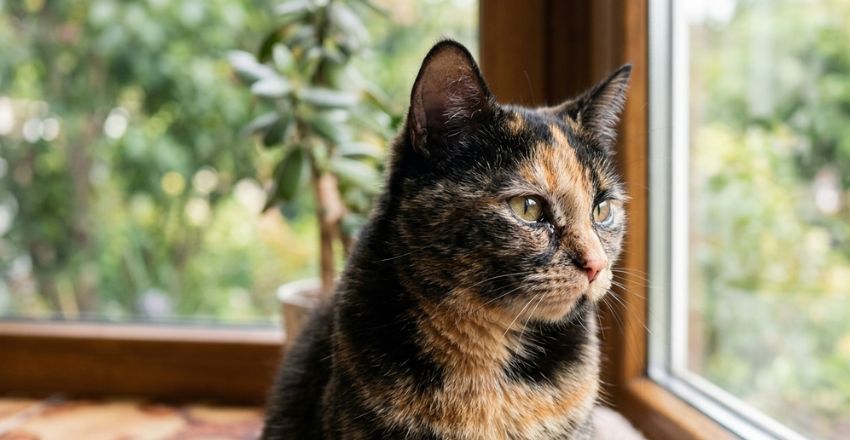
Many household cleaning products contain chemicals that can irritate a cat’s eyes. Fumes from bleach, ammonia, chlorine-based cleaners, floor disinfectants, and air fresheners may cause discomfort when inhaled or when particles come into contact with the eyes. Cats walking on recently cleaned surfaces can also transfer residues to their faces during grooming. Increased tearing develops as a protective response against irritation.
Airborne Allergens
Watery eyes in cats often occur when allergens such as pollen, mold spores, dust mites, and grass particles are present indoors or outdoors. These microscopic substances can irritate sensitive eye tissues and trigger inflammation. Seasonal changes often increase allergen exposure. The body responds by producing excess tears to flush irritants away and reduce discomfort around the eyes.
Blocked Tear Ducts and Poor Drainage
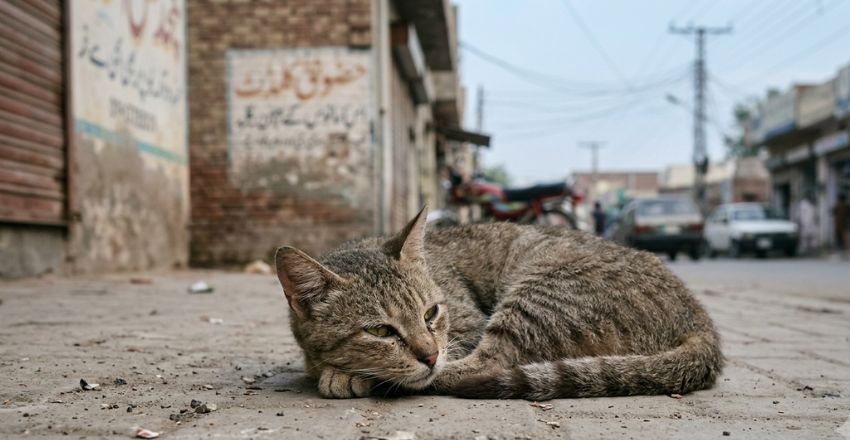
Tears normally drain through small channels located near the inner corners of the eyes. When these ducts become blocked by inflammation, infection, scar tissue, or debris, normal drainage is disrupted. Excess moisture then spills onto the facial fur rather than draining properly. Cats with narrow tear passages or certain facial structures may experience this issue more frequently.
Respiratory Infections
Watery eyes in cats can develop during upper respiratory infections caused by viruses or bacteria. Conditions such as feline herpesvirus and calicivirus often affect both the respiratory tract and eye tissues. Inflammation increases tear production, while additional symptoms may include sneezing, nasal discharge, congestion, and reduced activity. Early treatment helps prevent worsening complications and discomfort.
Eye Injuries and Foreign Objects
Small particles such as dust, sand, plant material, or loose fibers can enter a cat’s eye and irritate it. Minor corneal scratches may also trigger excessive tear production. The eye naturally creates more moisture to remove debris and support healing. Without proper attention, irritation can persist and potentially lead to more serious eye problems.
Dental Problems

Watery eyes in cats may sometimes be linked to dental disease affecting the upper jaw. Infections involving canine teeth or nearby premolars can spread inflammation into the surrounding facial tissues. Because tooth roots are located close to tear drainage pathways, swelling may interfere with normal drainage. Persistent tearing often improves once the underlying dental issue is treated.
How Veterinarians Diagnose?
Veterinarians use several methods to determine why a cat is experiencing excessive tearing. A physical examination of the eyes is usually the first step. They may check for redness, swelling, injuries, or foreign objects. Additional tests can evaluate tear production, tear drainage, and eye pressure. In some cases, laboratory analysis is performed to identify infections or other underlying medical conditions affecting the eyes.
Different Cat Breeds
- watery eyes in cats are often linked to breed-specific facial features.
- Breeds with short noses and flat faces, such as Persians and Exotic Shorthairs, frequently experience tear overflow because their tear ducts may not drain efficiently.
- Long-haired breeds can also develop eye irritation when facial fur comes into contact with the eyes.
- Understanding breed-related tendencies helps owners provide appropriate grooming, monitoring, and preventive eye care throughout a cat’s life.
Treatment Options for Common Eye Conditions
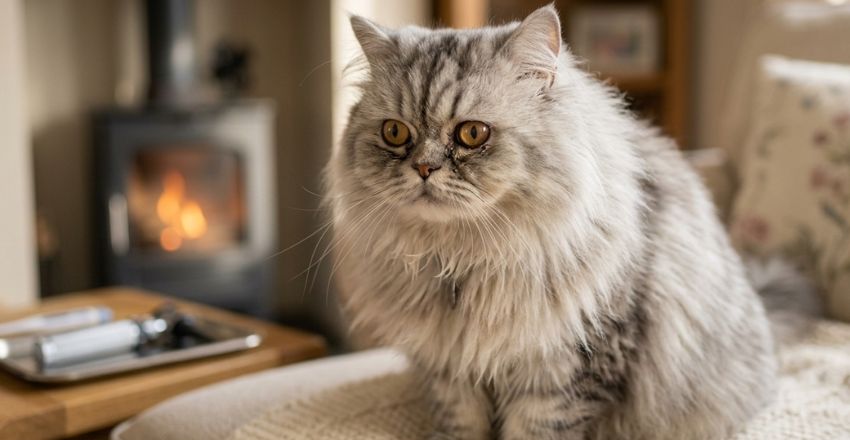
Treatment varies according to the cause of the problem. Mild irritation may improve through environmental changes and routine eye cleaning. Bacterial infections often require prescribed medications, while allergies may need trigger management. Blocked tear ducts or structural abnormalities sometimes require specialized procedures. Prompt treatment is important because untreated eye conditions can worsen over time and potentially affect comfort, vision quality, and overall health.
Preventing Future Eye Health Problems
- Preventing watery eyes in cats begins with maintaining a clean and healthy environment.
- Regular grooming removes dirt, dust, and loose fur that could irritate sensitive eyes.
- Owners should monitor for changes such as redness, swelling, or unusual discharge.
- Routine veterinary examinations help identify concerns before they become serious.
- Consistent preventive care supports healthy vision, reduces discomfort, and promotes long-term eye wellness and overall quality of life.
Conclusion
In conclusion, watery eyes in cats can be caused by multiple factors, including dust, cleaning chemicals, pollen allergies, infections such as feline herpesvirus, blocked tear ducts, dental disease, and eye injuries. The condition may also be influenced by breed structure, especially flat-faced cats with poor tear drainage.
Symptoms like redness, discharge, and excessive tearing should not be ignored. Early diagnosis, including vet examination and lab testing, helps identify the root cause. Proper treatment, hygiene, and preventive care can reduce discomfort and improve eye health. With timely attention, cats can maintain clear vision, comfort, and long-term overall well-being.
Apart from that, if you want to know more about How Much Trazodone Can I Give My Dog? A Complete Pet Owner’s Guide to Safe Dosage, Uses, Side Effects, and Veterinary Recommendations then visit our Pets category.
FAQs
Excessive tear discharge can result from irritants such as dust, smoke, or cleaning chemicals; allergies; infections; blocked drainage passages; injuries; or underlying dental issues affecting nearby facial structures.
Airborne substances such as pollen, mold spores, and dust mites can trigger inflammation in sensitive eye tissues, leading the body to produce more tears as a protective response.
Viral or bacterial infections may affect both the eyes and the respiratory system, causing symptoms such as redness, swelling, sneezing, discharge, and increased tear production, and may require medical attention.
When drainage channels are obstructed, tears cannot flow normally and begin to overflow onto the face, often causing irritation, staining, and ongoing moisture around the eye area.
Veterinarians examine the eye surface, assess tear flow, and may perform lab tests or imaging to identify infections, injuries, structural abnormalities, or other underlying health concerns.