

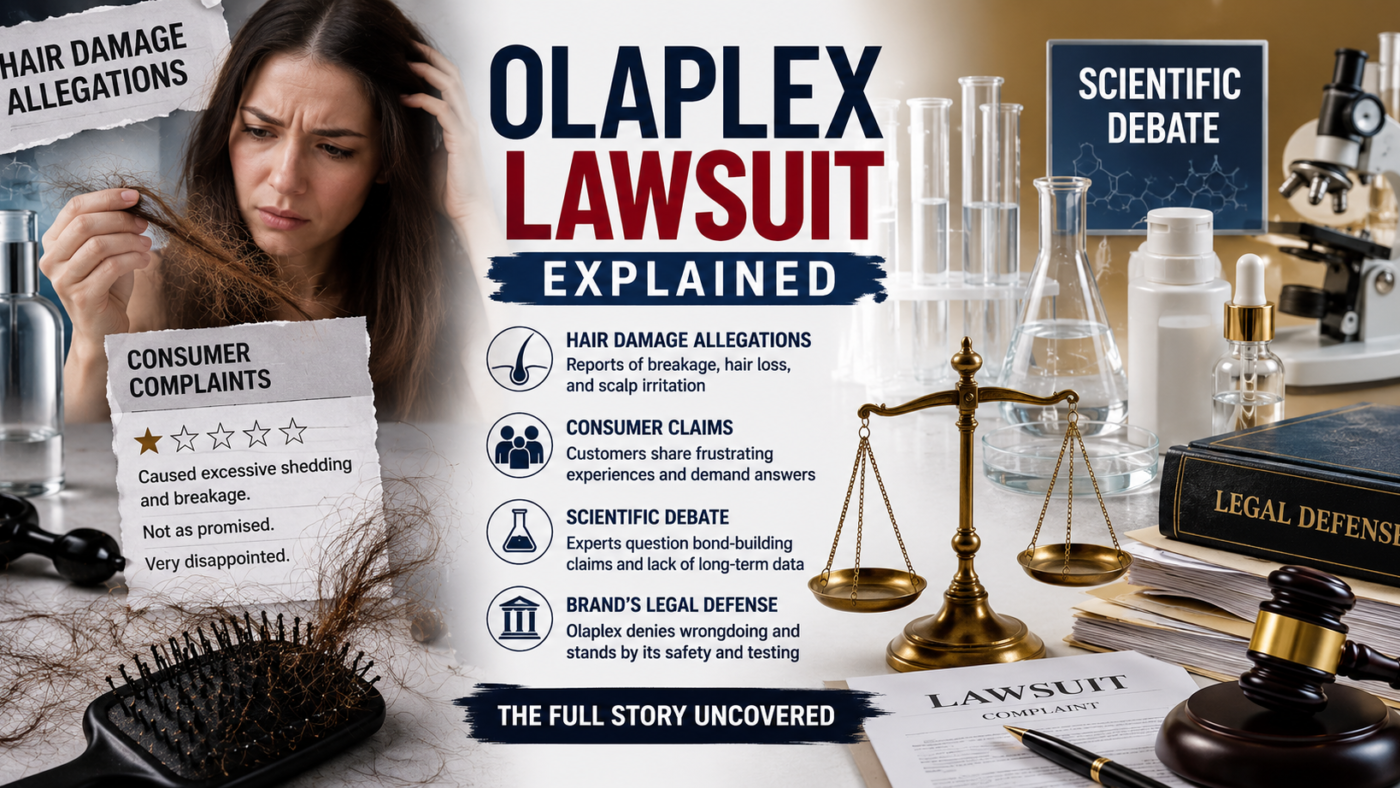
The Olaplex lawsuit alleges that some products may have caused hair damage, including dryness, breakage, shedding, and scalp irritation. It began after users reported results that conflicted with Olaplex’s promise of stronger, healthier hair.
These concerns spread on social media as users shared mixed experiences, sparking debate over effectiveness and expectations. The discussion also expanded to include issues such as marketing claims, science, regulations, and consumer trust in the beauty industry.
Supporters cite salon use and clinical testing, while critics question consistency across hair types and the alignment with marketing expectations. The controversy has grown into a major industry issue, increasing consumer awareness and pressuring brands to be transparent and make realistic claims.
| Aspect | Details |
| Topic | Olaplex Lawsuit |
| Main Allegations | Hair damage, dryness, breakage, shedding, and scalp irritation |
| Who Filed Claims? | Consumers who reported negative experiences after using certain Olaplex products |
| Consumer Concerns | Hair loss, product effectiveness, ingredient safety, and marketing claims |
| Company Response | Olaplex denies wrongdoing and states its products are safe when used as directed. |
| Scientific Debate | Disagreement over whether bond-building technology provides true hair repair or temporary cosmetic benefits |
| Positive User Feedback | Improved hair strength, shine, smoother texture, and better recovery from chemical treatments |
| Negative User Feedback | Dryness, scalp sensitivity, breakage, shedding, and inconsistent results |
| Role of Social Media | Amplified both positive and negative experiences through reviews and viral discussions |
| Industry Impact | Increased consumer awareness and greater scrutiny of beauty product claims |
| Regulatory Concerns | Marketing transparency, safety evaluation, and realistic advertising claims |
| Impact on Competitors | Growth of competing bond-building haircare products |
| Olaplex’s Position | Products are clinically tested, scientifically developed, and effective for most users. |
| Is Olaplex Safe? | Generally considered safe when used correctly, though results may vary by hair type and condition. |
| Key Takeaway | The controversy highlights the importance of transparency, realistic expectations, and informed product use. |
What Is Olaplex Lawsuit and Why Is It So Popular?

Olaplex is a professional haircare brand that claims to repair and strengthen damaged hair by rebuilding broken bonds. It works within the hair structure, targeting damage from bleaching, coloring, and heat styling.
Olaplex became popular for its promise to improve hair strength, shine, and texture, even in severely damaged hair. Its fame grew as stylists and influencers shared dramatic before-and-after results, calling it a breakthrough in hair repair.
Impact of the Olaplex Lawsuit on the Haircare Industry
The Olaplex lawsuit has had a noticeable impact on both consumers and competitors:
1. Increased Consumer Awareness
- Ingredient lists
- Before-and-after marketing claims
- Realistic product expectations
2. Rise of Competing Brands
- Many brands have introduced similar “bond-building” products, increasing competition in the hair repair market.
3. Marketing Transparency Pressure
The controversy has pushed beauty companies to:
- Use clearer disclaimers
- Avoid exaggerated claims
- Provide better usage instructions
Consumer Reactions and Public Backlash
Public response plays a major role in the Olaplex lawsuit narrative. Social media platforms, especially TikTok and Instagram, have amplified both praise and criticism.
Positive Reviews
- Their hair became smoother and stronger
- Bleached hair recovered faster
- Salon treatments improved significantly
Negative Experiences
- Increased hair shedding
- Dry, straw-like texture after use
- Confusion about product combinations
Overview of the Olaplex Lawsuit
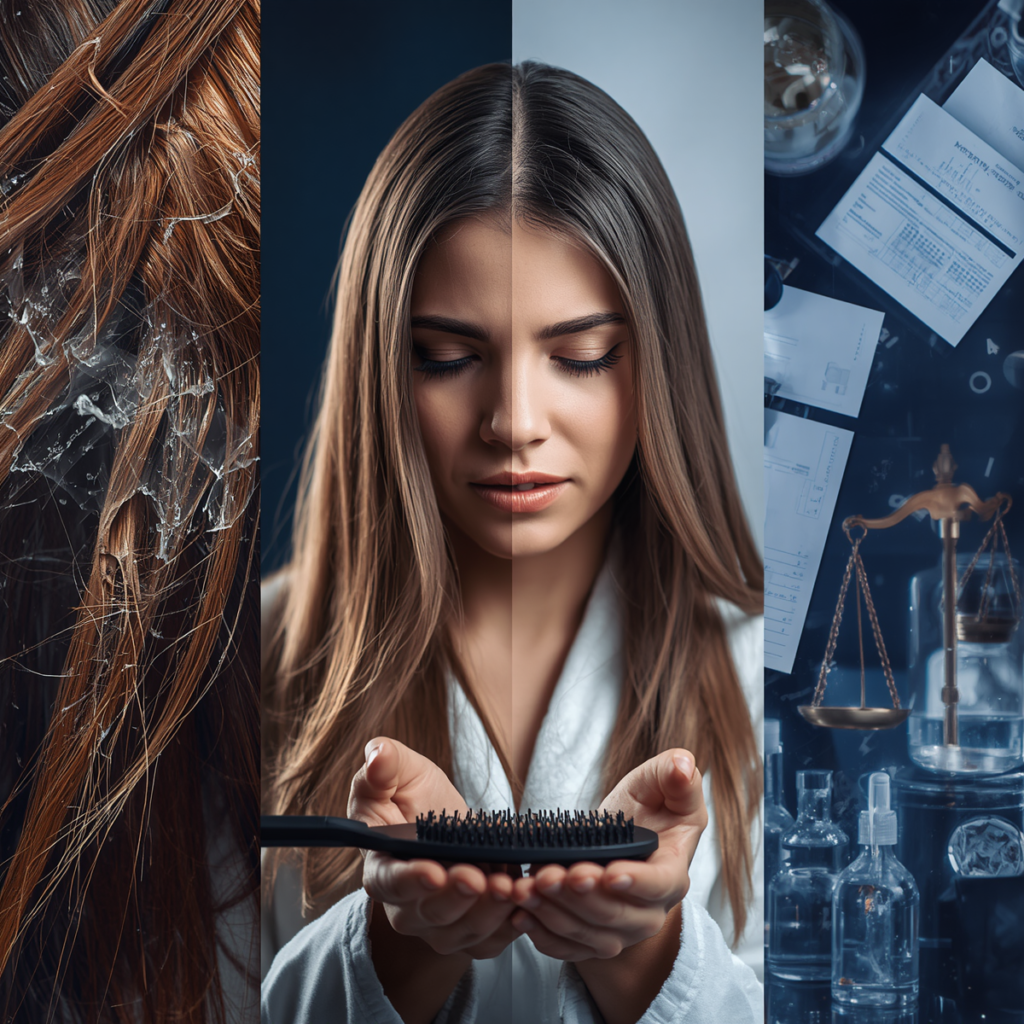
The Olaplex lawsuit includes consumer claims that some products may have caused hair damage, dryness, shedding, or breakage. It began after certain users reported results that conflicted with the brand’s promise of stronger, healthier hair.
These concerns spread on social media as users shared negative experiences and discussed factors like improper use, hair type, and formulation. The lawsuit also includes claims of misleading marketing and unrealistic expectations about product performance and safety.
In response, Olaplex denies any wrongdoing, stating its products are clinically tested, safe when used as directed, and effective for most users. The brand also emphasizes that results can vary depending on hair type, condition, and application methods.
Consumer Reactions and Public Backlash
Consumer reactions to the Olaplex lawsuit are mixed, with many users praising its ability to improve hair strength and manageability after chemical treatments. However, others report issues such as dryness, scalp sensitivity, or results that did not meet expectations.
This contrast in experiences sparked debate over whether the product works universally or only for certain hair types. Social media amplified the controversy through viral reviews and before-and-after content, increasing scrutiny of the brand’s claims and effectiveness.
Main Allegations in the Olaplex Lawsuit
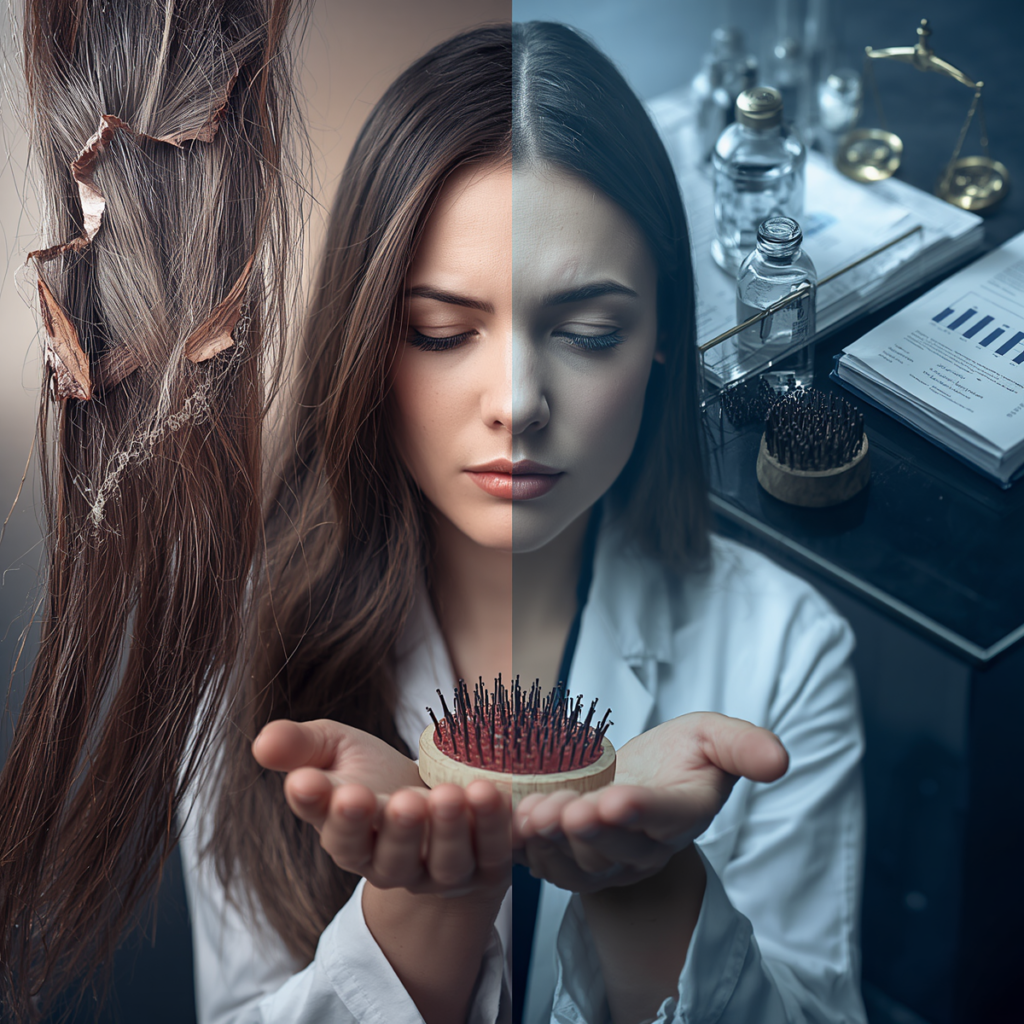
The Olaplex lawsuit alleges that some products may have caused hair damage, including dryness, breakage, shedding, and scalp irritation. Plaintiffs also claim the products failed to deliver the promised improvements in hair strength and health consistently.
Another allegation involves misleading marketing that may have created unrealistic expectations about product results. There are also concerns about ingredient safety and how performance may vary across different hair types and usage methods.
Regulatory and Industry Perspective
From a regulatory and industry perspective, the Olaplex lawsuit highlights issues around product claims and marketing transparency. Cosmetic rules prohibit guaranteed “repair” claims, often creating a gap between marketing language and consumer expectations.
Critics say Olaplex marketing created expectations of guaranteed hair restoration, while supporters cite testing and salon use. The case also raises concerns about safety evaluation, complaint handling, and the limits of current cosmetic regulations.
Social media rapidly shapes product reputation by amplifying both positive and negative experiences faster than regulators can respond. This increases pressure on cosmetic brands to ensure transparency, clear marketing, and realistic expectations.
Olaplex’s Legal Defense and Response
- Olaplex strongly denies all allegations of wrongdoing related to hair damage or product safety.
- The company states that its products are clinically tested and scientifically developed for hair bond repair.
- It maintains that products are safe when used correctly and according to instructions.
- Olaplex argues that negative experiences are rare and often linked to improper usage or individual hair differences.
Is Olaplex Safe to Use?

Olaplex is generally considered safe when used correctly and according to instructions, and it is widely used in professional salons. The brand states its formulas are tested to repair hair bonds, especially in chemically damaged hair.
However, some users linked to the Olaplex lawsuit report issues such as dryness, breakage, or scalp sensitivity, depending on hair type and usage. Hair professionals note that results vary and depend on proper application, frequency, and overall hair condition.
Scientific Debate Behind Olaplex Products
- Olaplex claims its technology repairs broken disulfide bonds in hair caused by chemical and heat damage.
- Supporters say the active ingredient helps reconnect damaged bonds, improving strength and reducing breakage.
- Critics argue that hair is non-living tissue, so “repair” may be temporary or cosmetic rather than structural.
- Some experts suggest improvements may come from conditioning effects rather than true molecular repair.
Conclusion
The Olaplex lawsuit highlights ongoing debates about product performance, marketing claims, and consumer expectations in the beauty industry. While many users and professionals support its results, others report mixed experiences, fueling controversy.
The controversy shows how social media, scientific debate, and consumer feedback can quickly influence a brand’s reputation. It also highlights the importance of transparency, realistic marketing, and clear product communication in the beauty industry.
The controversy shows how social media, scientific debate, and consumer feedback can quickly shape a brand’s reputation. It also emphasizes the need for transparency, realistic marketing, and clear communication in the beauty industry.
Want to know about Pedestrian Accident Lawyer: A Complete Guide to Legal Rights, Injury Claims, Compensation Processes, and Insurance Challenges Check out our Law category.
FAQs
OLAPLEX partners with third-party manufacturers that follow cosmetic Good Manufacturing Practices (GMP) to produce its products. These standards help ensure consistent quality, safety, and compliance with industry regulations.
No, Olaplex has not issued any product recalls. Despite facing a class-action lawsuit alleging hair loss and scalp irritation, the company denies these claims and states that independent testing supports the safety of its products.
Olaplex can be highly effective for damaged, brittle, or chemically treated hair by helping strengthen hair bonds and reduce breakage. However, on healthy or coarse hair, it may sometimes feel stiff since it focuses on repair rather than adding moisture.