

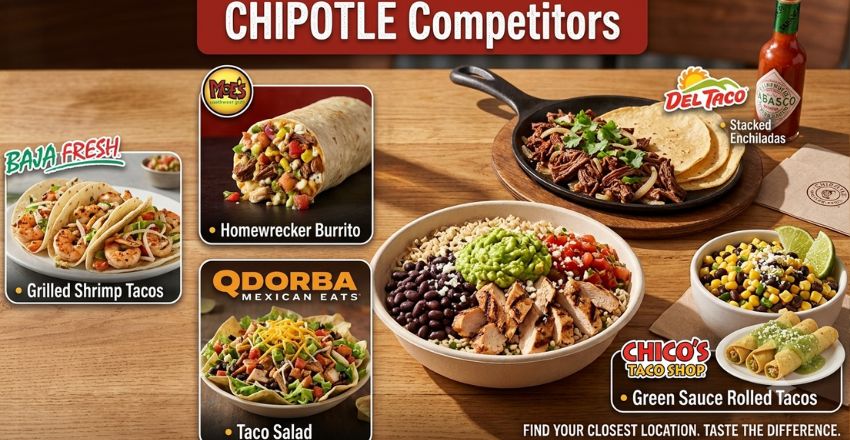
The fast-casual dining market is highly competitive, especially among major competitors like Chipotle, which offer varying price points, flavors, and quality levels. These competitors range from value-focused chains priced as low as 2 USD per meal to premium options reaching up to 15 USD, depending on ingredients, customization, and service style.
They differ in taste profiles such as mild, bold, or fast-food seasoned flavors, while quality ranges from moderate to high based on freshness and preparation standards. Customer satisfaction is influenced by speed, customization, and affordability, making this segment dynamic and fast-growing.
Overall, Chipotle’s competitors shape consumer choices by offering varied menus, pricing strategies, and dining experiences across casual and quick-service restaurant formats.
| Brand | Taste | Pricing (USD) | Quality | Standard | Customer Satisfaction |
| Qdoba Mexican Eats | Mild, more sauces, customizable | 8–14 | Fresh, consistent | Casual fast dining | High due to variety & customization |
| Moe’s Southwest Grill | Bold, slightly salty Tex-Mex style | 7–13 | Moderate to high, fresh prep | Fun, casual ambiance | High for value and freebies |
| Taco Bell | Strong, fast-food seasoned taste | 2–10 | Moderate, mass production | Fast-food drive-thru model | High for affordability & speed |
| Del Taco | Mixed Mexican-American flavors | 3–12 | Moderate, mixed ingredients | Simple fast-food standard | Moderate to high for value deals |
| Baja Fresh | Light, herb-based, fresh taste | 8–15 | High but less consistent | Clean fast-casual setup | High for freshness-focused customers |
Chipotle’s Competitors: Market Breakdown
Qdoba Mexican Eats
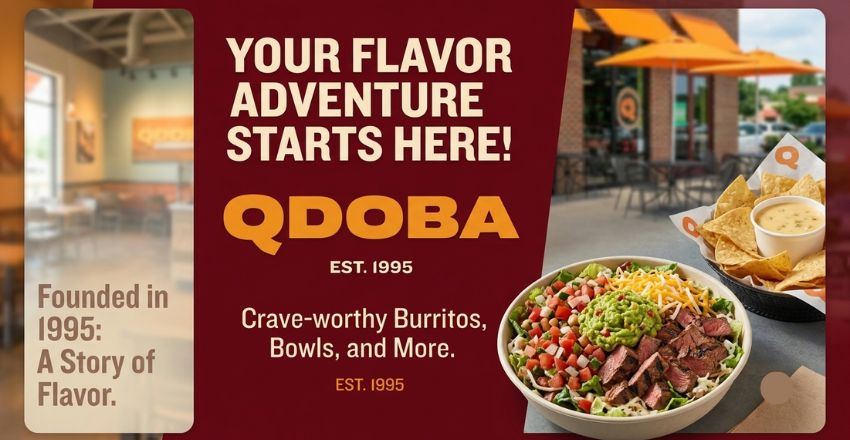
Qdoba Mexican Eats is one of Chipotle’s strongest competitors, offering customizable burritos, bowls, and tacos, with a slightly richer menu. Taste is mildly seasoned with more sauce options than Chipotle. Venues are casual, fast-dining spaces with relaxed seating. Quality is consistent, ingredients are fresh. Meals cost about 8 to 14 USD, competing through value extras and free toppings.
Moe’s Southwest Grill
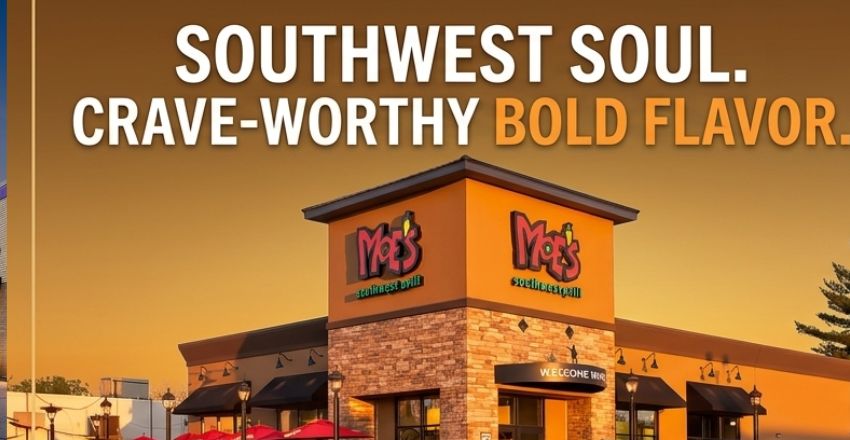
Moe’s Southwest Grill is a key competitor’s brand known for bold flavors and a friendly dining experience. Taste is slightly saltier and more Tex-Mex styled. The ambiance is fun, with music and welcoming interiors. Quality is moderate to high with fresh prep. Prices range from 7 to 13 USD. It competes by offering free chips and sauces, attracting budget-conscious customers.
Taco Bell
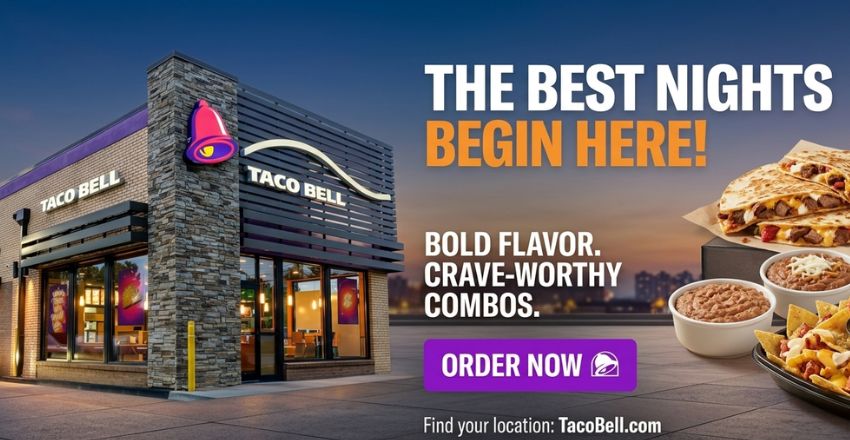
Taco Bell is a major competitor of Chipotle, competing on affordability and speed rather than premium freshness. The taste is heavily seasoned and fast-food-oriented. Venues are drive-thru-focused and quick-service. Quality is lower than Chipotle’s, but consistent for mass demand. Cost ranges from 2 to 10 USD, winning customers through low pricing, innovation, and strong nationwide accessibility.
Del Taco
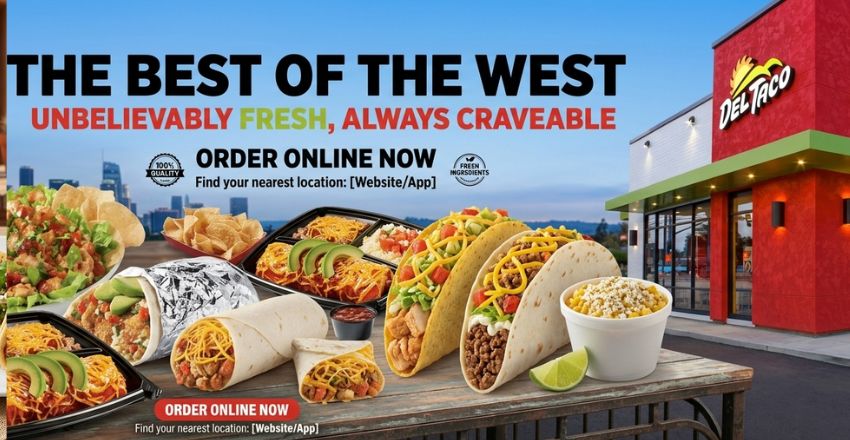
Del Taco is a value-driven competitor brand combining Mexican and American fast food. Taste balances tacos, burritos, and burgers with mild seasoning. Ambiance is simple fast-food style. Quality is moderate with frozen and fresh mix ingredients. Prices range from 3 to 12 USD. It competes through affordability, combo deals, and a broader menu variety than Chipotle.
Baja Fresh
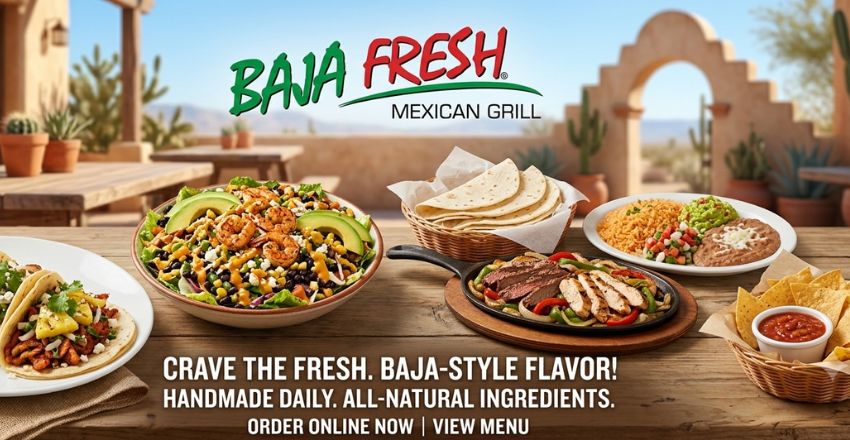
Baja Fresh is a fresher-focused Chipotle competitor restaurant emphasizing made-to-order meals with clean ingredients. Taste is lighter and herb-based compared to Chipotle’s smoky profile. Venues are small, clean, fast-casual spaces. Quality is high but less consistent due to the smaller scale. Costs range from 8 to 15 USD, competing through freshness and healthier positioning.
Consumer Behavior in Quick-Service Dining Choices
Consumer behavior in quick-service dining choices is shaped by convenience, price sensitivity, and expectations for meal quality. People often decide based on service speed, proximity to the location, and customization options. Busy urban lifestyles increase demand for quick meals that still feel fresh. Online reviews, delivery apps, and social media ratings strongly influence decisions.
Customization in Modern Food Chains
- In modern dining systems, Chipotle’s competitors focus heavily on customization to attract a diverse customer base.
- This allows individuals to build meals by selecting proteins, toppings, sauces, and portion sizes based on personal preference.
- Such flexibility improves satisfaction and repeat visits.
- Digital ordering systems further enhance accuracy and speed.
- This approach increases market reach by meeting dietary needs, including vegan, low-carb, and high-protein meal preferences.
Importance of Fresh Ingredients
Fresh ingredients play a major role in fast-casual concepts because they directly affect taste, nutrition, and customer trust. Restaurants that prioritize daily-prepared produce and clean sourcing methods build stronger reputations. Seasonal ingredients improve flavor diversity and menu appeal. High-quality sourcing also reduces health risks and increases customer loyalty,
Trends in the Burrito and Bowl Restaurant Market
- In the evolving food sector, Chipotle’s competitors are driving strong trends in burrito and bowl restaurant markets through customization, speed, and healthier menu options.
- Consumers increasingly prefer build-your-own meals with flexible ingredients.
- Delivery apps and digital ordering systems are expanding accessibility.
- Sustainability efforts, eco-friendly packaging, and competitive pricing strategies are also shaping growth across urban dining markets and global fast-casual restaurant expansion.
Quality Standards
Quality standards in fast-casual food preparation systems ensure consistency, safety, and efficiency across all locations. Strict hygiene rules, standardized recipes, and staff training help maintain uniform taste and service quality. Regular inspections and supply chain monitoring reduce risks and improve reliability. High operational standards build customer confidence, strengthen brand reputation, and support long-term growth.
Conclusion
In conclusion, Chipotle’s competitors play a major role in shaping the fast-casual dining industry by offering diverse options in taste, pricing, quality, and customer experience. These competitors range from budget-friendly meals starting at around 2 USD to premium options reaching up to 15 USD, giving customers wide flexibility.
They compete through customization, fresh ingredients, and fast service, while also focusing on value deals and unique menu styles. Overall, Chipotle’s competitors strengthen market competition, raise food standards, and enhance customer satisfaction by continuously innovating and adapting to changing consumer preferences in the global dining sector.
Want to know about Reprise Financial: Building Smarter Lending Ecosystems Through Data Analytics, Fraud Control, and Fast Funding Systems Check out our Finance category.
FAQs
It refers to analyzing different food chains based on taste, pricing, quality, and customer experience to understand how they differ in service style and overall dining value.
Prices vary due to ingredient quality, preparation methods, brand positioning, and service speed. Some focus on affordability, while others emphasize fresh ingredients and premium dining experiences.
Ingredient freshness, taste consistency, hygiene standards, and preparation methods are usually used to measure quality. Higher standards generally lead to greater customer trust and satisfaction.
Customer satisfaction depends on service speed, food taste, customization options, pricing, and overall dining environment. Positive experiences often result in repeat visits and stronger brand loyalty.
Customization allows customers to choose ingredients, portion sizes, and flavors based on preference. It improves satisfaction by meeting dietary needs and creating a more personalized dining experience.